 By Nora BennettFictional contributor · Read disclosure
Updated
Who researches KPV?
This profile is for readers exploring immune biology and the evidence behind this compound. Topic associations help locate research; they do not establish that a substance is suitable for personal use
Start with the beginner’s guide if the terminology is new, then read the limitations alongside the findings
What is KPV?
KPV research connects a short peptide sequence with inflammatory signaling in experimental intestinal systems. The challenge is translating those observations without turning a mouse-colitis result into a treatment claim for every gut symptom. This guide distinguishes transporter studies, cell signaling, animal outcomes, and clinical disease control. It also explains why route and finished-product identity matter. Readers should come away able to identify the evidence level behind a statement and to recognize what further human research would be needed before benefit, safety, or a treatment schedule could be established.
Also searched as Lys-Pro-Val
How it works
Experimental work investigates uptake through peptide transporters and effects on inflammatory signaling. One primary study examined PepT1-related uptake in intestinal and immune-cell models and tested mouse colitis models. That mechanism is a research finding in defined systems rather than a complete explanation of a human therapy.

Benefits & what the research shows
The primary evidence includes cell experiments and animal inflammation models. Those can support further investigation, but they do not establish clinical remission, mucosal healing, or long-term safety in people with inflammatory bowel disease. Different formulations and routes would also need direct evaluation.
Check the species, population, formulation, comparator, and endpoint before applying a result to a different situation
How to read a peptide study ↗What this evidence cannot tell us
Gut symptoms have many causes, and a general inflammation claim is too broad to guide treatment. Experimental colitis does not reproduce every aspect of Crohn’s disease or ulcerative colitis. A compound improving a model endpoint should not be portrayed as a substitute for diagnosis and established disease management.
Dosage & administration
No established FDA-approved self-administration regimen is provided. This page does not recommend oral or injectable dosing for gut symptoms. Blood in stool, significant weight loss, or persistent gastrointestinal symptoms warrant medical assessment rather than a peptide experiment.
Side effects & safety
Human safety information is insufficient for routine consumer use. FDA materials discuss important information gaps for KPV. Product quality, contamination, and uncertain exposure remain additional concerns, especially for injected preparations. Lack of a known adverse-event rate should be communicated as uncertainty.

KPV vs related compounds
Compare the research questions and mechanisms. These summaries do not establish equivalent benefits or interchangeable products
| Compound | Research context |
|---|---|
| KPV | Experimental work investigates uptake through peptide transporters and effects on inflammatory signaling. |
| LL-37 | The peptide’s charge and structure influence interactions with membranes and other molecules. |
| VIP | VIP acts through VPAC receptors and participates in cyclic-AMP signaling. |
Sourcing & quality
KPV is not an FDA-approved treatment for inflammatory bowel disease, skin disease, or general immune support. Compounding consideration and research interest do not establish product approval.
Regulatory details can change. Verify the current, product-specific record before making a clinical or purchasing decision
Understand FDA approval and research useInside the research
Photographs of clinical and laboratory settings, alongside the questions researchers investigate
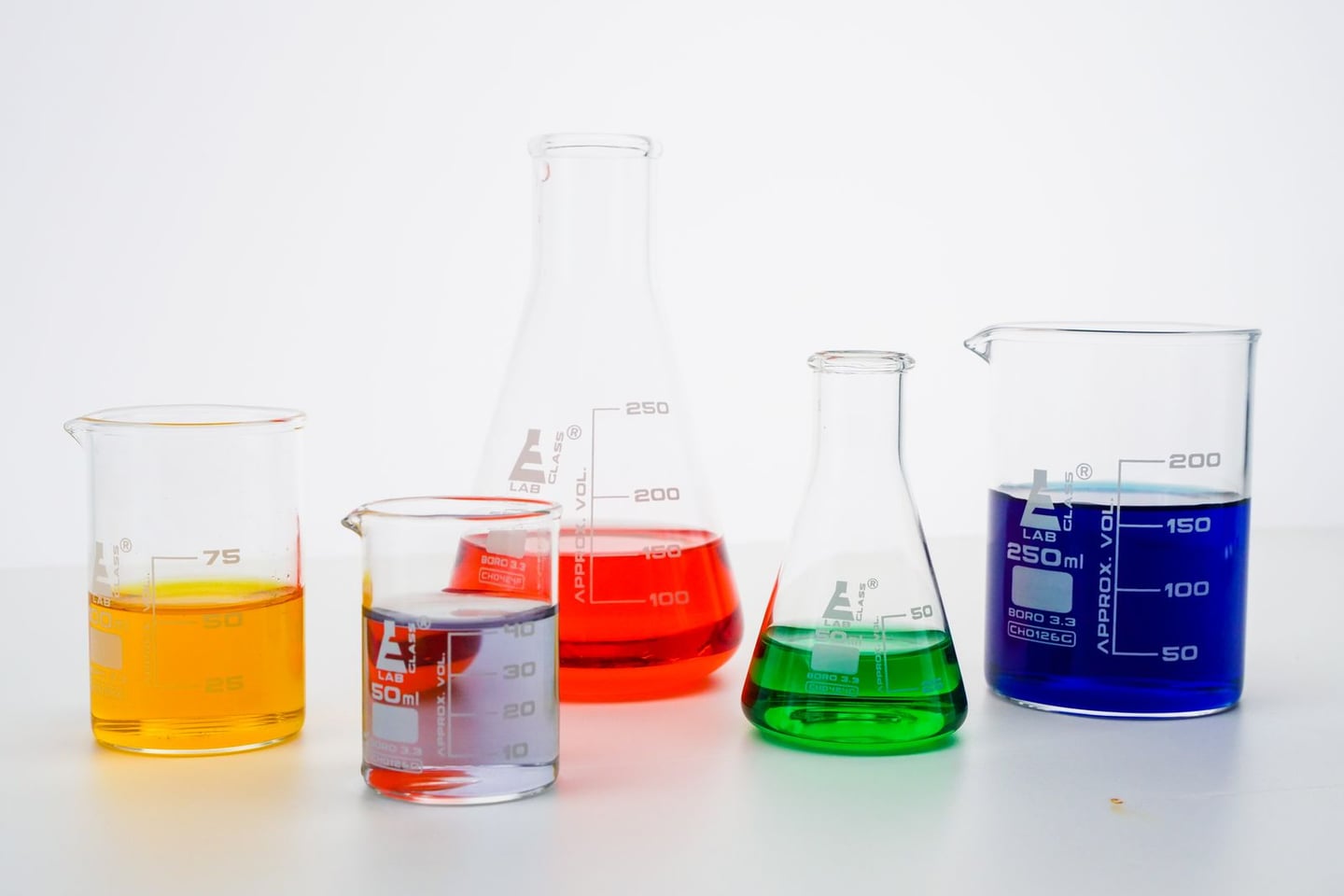 KPV
The research setting
Experimental work investigates uptake through peptide transporters and effects on inflammatory signaling.
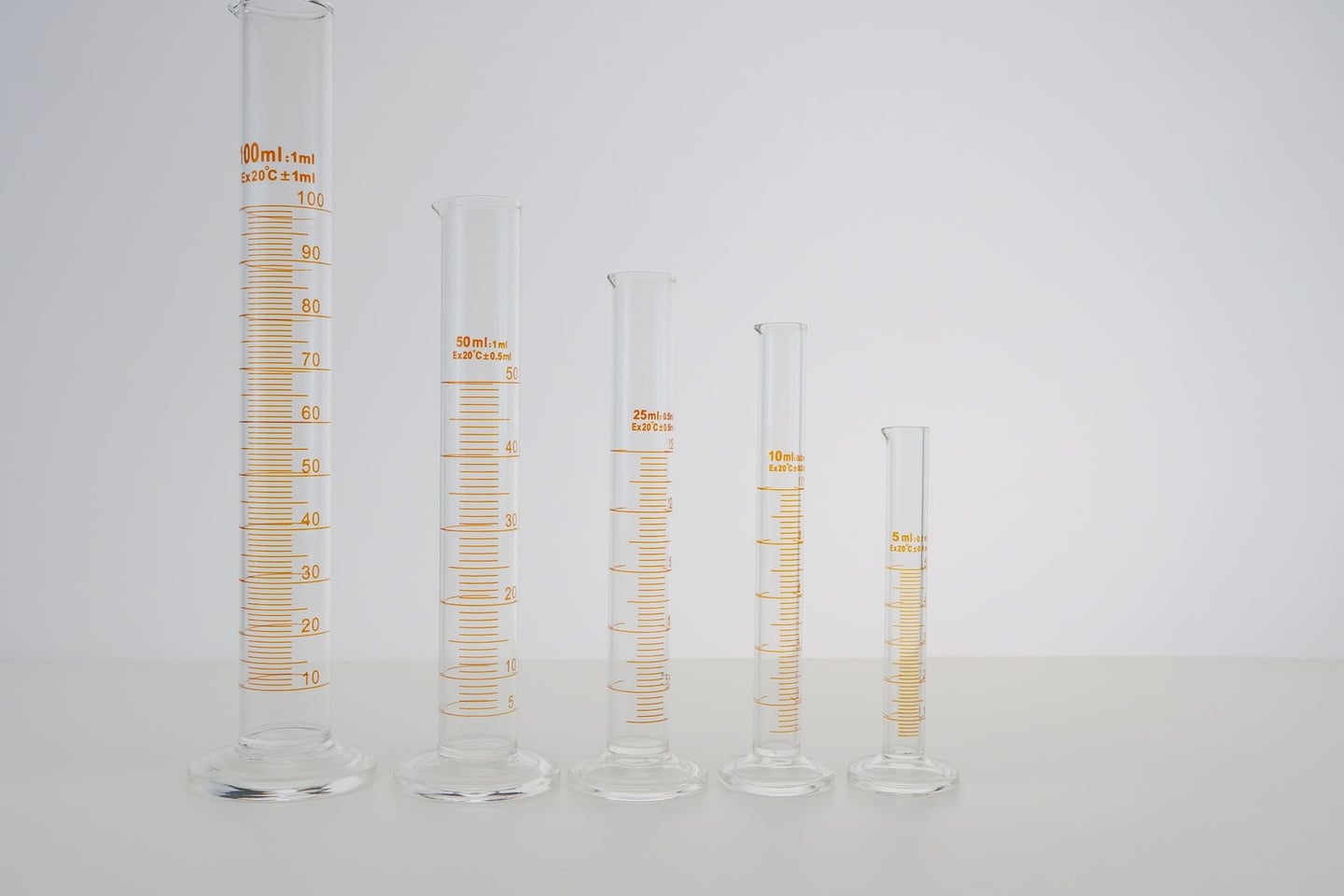 KPV
How the research is investigated
The primary evidence includes cell experiments and animal inflammation models.
Frequently asked questions
Does a mouse-colitis result establish human IBD treatment?
No. Experimental models and clinical disease differ. Human remission, mucosal healing, and safety need direct investigation with the actual formulation.
What is the United States regulatory context for KPV?
KPV is not an FDA-approved treatment for inflammatory bowel disease, skin disease, or general immune support. Compounding consideration and research interest do not establish product approval.
Sources & further reading
Official records and research discovery links. A database search is a starting point for finding studies, not a citation to a specific clinical result
Nora Bennett
Fictional editorial character used for this site demonstration. No medical credentials or independent clinical review are claimed
Read the full profile and disclosure ↗