 By Marcus ReedFictional contributor · Read disclosure
Updated
Who researches TB-500?
This profile is for readers exploring repair biology and the evidence behind this compound. Topic associations help locate research; they do not establish that a substance is suitable for personal use
Start with the beginner’s guide if the terminology is new, then read the limitations alongside the findings
What is TB-500?
For TB-500, the identity problem comes before the benefit question. A full-length parent peptide, a short fragment, and a product with an inconsistent commercial label cannot simply share one evidence summary. This guide makes that distinction explicit and examines what tissue-repair research can and cannot show. Readers should check the substance actually tested, the model used, and the outcome measured before accepting a recovery claim. The profile also explains why a laboratory purity result is only one part of assessing an injectable product’s quality.
Also searched as Thymosin beta-4 fragment

How it works
Thymosin beta-4 participates in actin-related cell biology, and related fragments have been investigated for tissue responses. Actin helps cells organize structure and movement. A fragment may retain, lose, or alter functions of its parent sequence, so a shared name or origin is not proof of equivalent biological activity.
Benefits & what the research shows
Tissue-repair interest is largely grounded in laboratory and animal work and in separate research on the parent peptide. A full-length peptide study, a fragment study, and a commercial blend represent different exposures. A defensible summary must identify which substance was actually tested and whether the outcome was a cell measurement, an animal injury result, or a human clinical endpoint.
Check the species, population, formulation, comparator, and endpoint before applying a result to a different situation
How to read a peptide study ↗What this evidence cannot tell us
Online recovery narratives often skip this identity problem. They also rarely provide controlled comparisons, predefined endpoints, or systematic adverse-event reporting. Without those safeguards, improvements during rehabilitation cannot establish that TB-500 caused the change. Return to sport, tendon integrity, and pain relief are distinct outcomes.
Dosage & administration
No established FDA-approved personal treatment schedule exists for the recovery claims described here. This page does not offer injection, loading-phase, or stacking instructions. Injury care should begin with diagnosis, load management, and evidence-based rehabilitation.
Side effects & safety
Potential risks include unknown pharmacologic effects plus impurities, aggregation, contamination, and inaccurate labeling. An unapproved injectable does not become clinically suitable because a vendor posts a chromatogram. The chromatogram may address only one aspect of composition and cannot establish all quality or safety requirements.
TB-500 vs related compounds
Compare the research questions and mechanisms. These summaries do not establish equivalent benefits or interchangeable products
| Compound | Research context |
|---|---|
| TB-500 | Thymosin beta-4 participates in actin-related cell biology, and related fragments have been investigated for tissue responses. |
| ARA-290 | The development rationale is to engage an innate repair receptor pathway while avoiding the red-blood-cell stimulation associated with conventional erythropoietin. |
| BPC-157 | Laboratory investigations examine several possible responses, including fibroblast behavior, vascular signaling, and pathways involved in tissue repair. |
Sourcing & quality
TB-500 is not an FDA-approved treatment for routine sports injuries or recovery. FDA materials and advisory work should be consulted for current compounding questions. A regulatory discussion of an ingredient is not product approval.
Regulatory details can change. Verify the current, product-specific record before making a clinical or purchasing decision
Understand FDA approval and research useInside the research
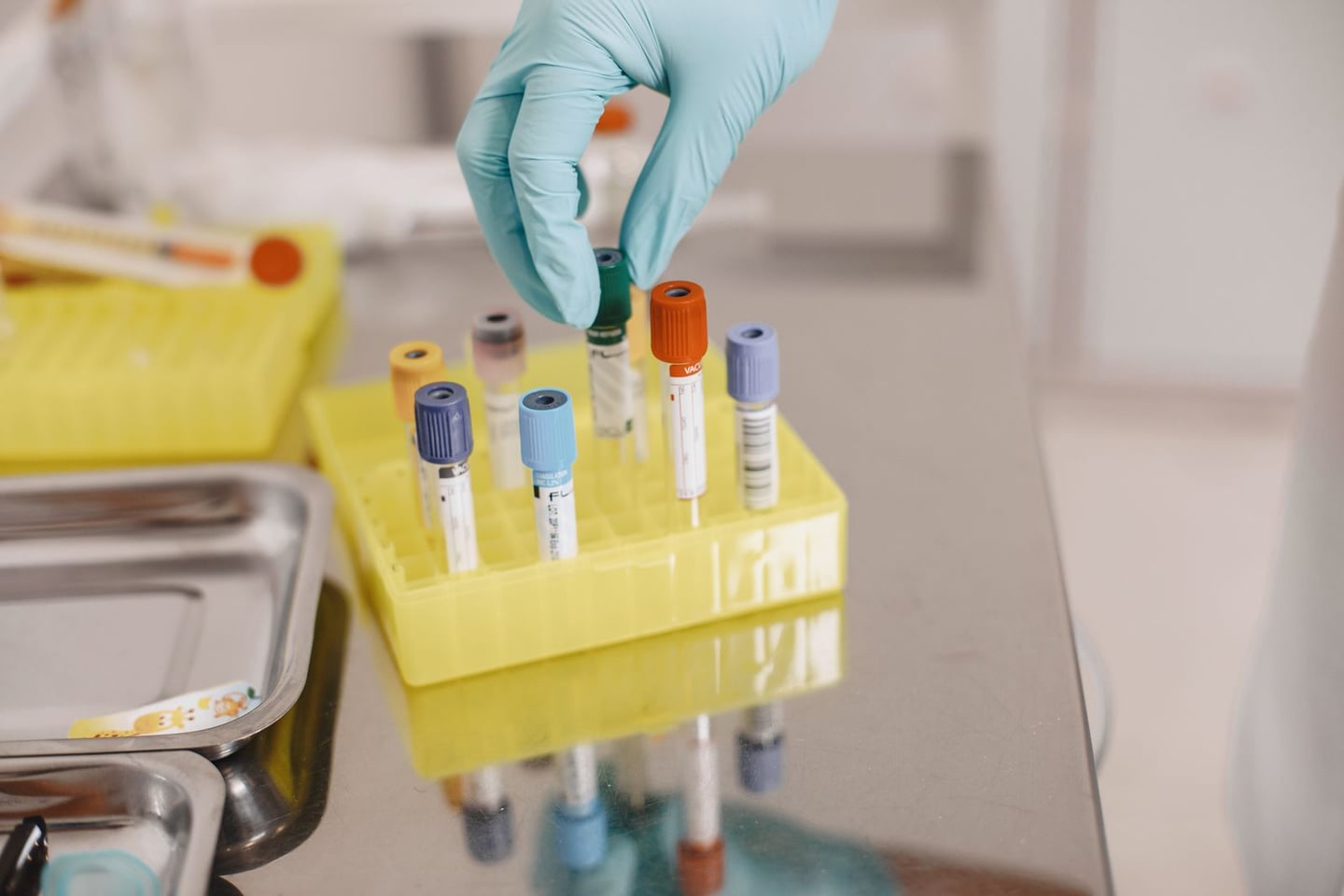
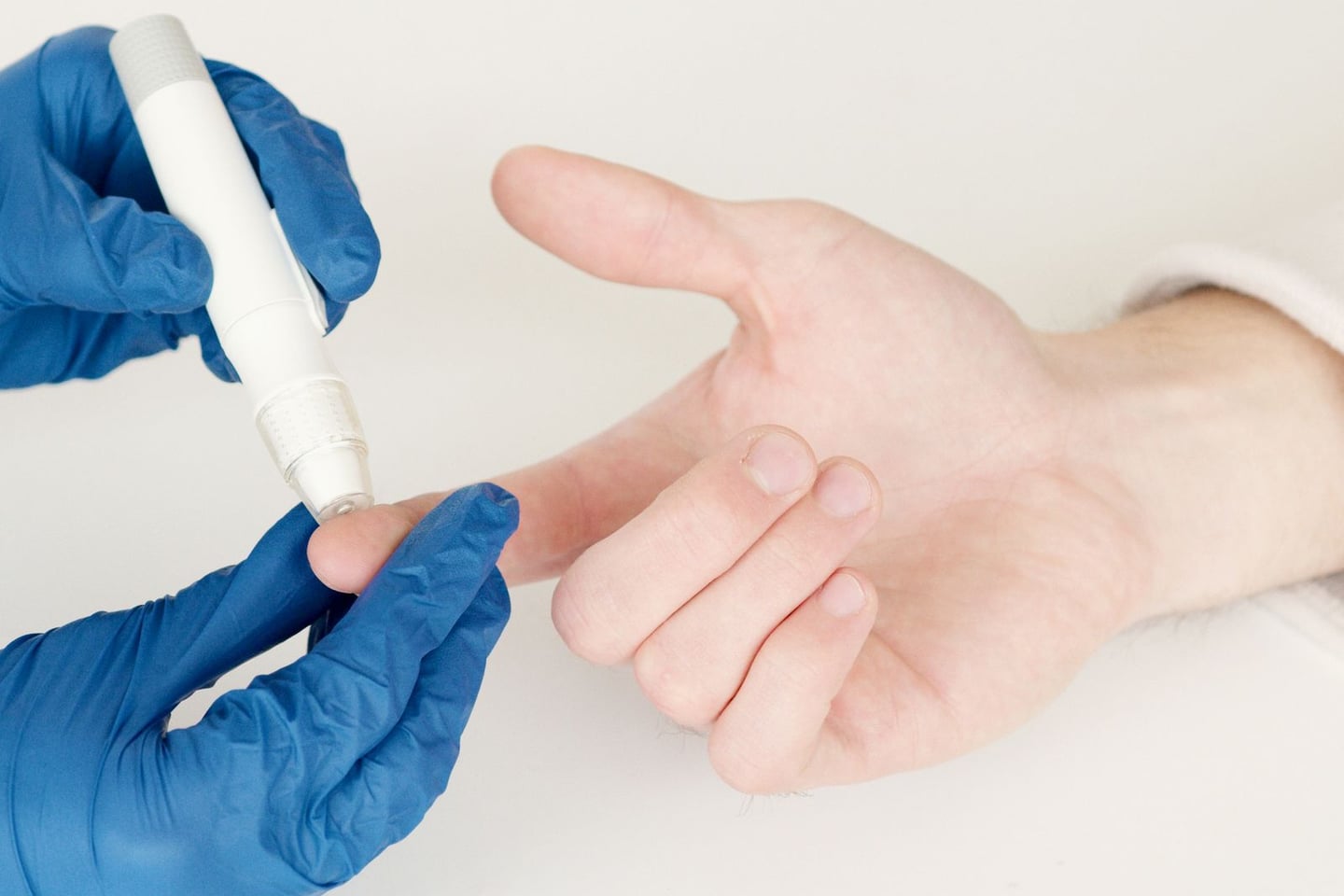
Photographs of clinical and laboratory settings, alongside the questions researchers investigate
 TB-500
The research setting
Thymosin beta-4 participates in actin-related cell biology, and related fragments have been investigated for tissue responses.
 TB-500
How the research is investigated
Tissue-repair interest is largely grounded in laboratory and animal work and in separate research on the parent peptide.
Frequently asked questions
Can full-length thymosin beta-4 evidence be assigned to TB-500?
Not automatically. The full peptide, a fragment, and an inconsistently labeled commercial product may differ. The substance actually tested must be identified.
What is the United States regulatory context for TB-500?
TB-500 is not an FDA-approved treatment for routine sports injuries or recovery. FDA materials and advisory work should be consulted for current compounding questions. A regulatory discussion of an ingredient is not product approval.
Sources & further reading
Official records and research discovery links. A database search is a starting point for finding studies, not a citation to a specific clinical result
Marcus Reed
Fictional editorial character used for this site demonstration. No medical credentials or independent clinical review are claimed
Read the full profile and disclosure ↗