 By Marcus ReedFictional contributor · Read disclosure
Updated
Who researches Thymosin Beta-4?
This profile is for readers exploring repair biology and the evidence behind this compound. Topic associations help locate research; they do not establish that a substance is suitable for personal use
Start with the beginner’s guide if the terminology is new, then read the limitations alongside the findings
What is Thymosin Beta-4?
Thymosin beta-4 connects basic cell biology with tissue-repair research, but the connection does not make every proposed use established medicine. Actin regulation is important to cell structure and movement; demonstrating that role is a different task from proving clinical healing after administration. This guide follows the evidence from molecular function toward potential applications while keeping formulations and routes distinct. It also separates the full-length peptide from fragments so that findings are attributed to the intervention actually studied rather than to a broad family resemblance.
Also searched as Tβ4, Tbeta4
How it works
The peptide can bind actin monomers and influence the pool available for filament assembly. Actin dynamics support cell shape, movement, and responses to injury. This established cellular role helps explain scientific interest, but a normal biological function does not prove that externally administered peptide improves every kind of tissue damage.
Benefits & what the research shows
Primary laboratory studies demonstrate actin-related effects in living cells and biochemical systems. Clinical applications require separate evidence for each formulation, route, and disease. A topical study cannot establish the safety or efficacy of a systemic injection, and a result in one damaged tissue does not automatically apply to another.
Check the species, population, formulation, comparator, and endpoint before applying a result to a different situation
How to read a peptide study ↗What this evidence cannot tell us
The compound’s broad biological role makes oversimplified healing claims especially problematic. Repair involves inflammation, blood supply, mechanical loading, infection control, and many cell types. Manipulating one signal may have different consequences across these settings. Clinical outcomes need controls and follow-up that match the actual patient problem.
Dosage & administration
No general self-administration dosing schedule is established here. Experimental study regimens belong to their protocols. This profile does not advise substituting thymosin beta-4 for diagnosis, rehabilitation, wound care, or other established medical treatment.
Side effects & safety
For an unapproved preparation, identity and manufacturing quality remain important in addition to pharmacologic uncertainty. Long-term exposure and uncommon adverse events may not be well characterized for proposed wellness uses. Product names should specify the full sequence or fragment rather than rely on a familiar abbreviation.

Thymosin Beta-4 vs related compounds
Compare the research questions and mechanisms. These summaries do not establish equivalent benefits or interchangeable products
| Compound | Research context |
|---|---|
| Thymosin Beta-4 | The peptide can bind actin monomers and influence the pool available for filament assembly. |
| ARA-290 | The development rationale is to engage an innate repair receptor pathway while avoiding the red-blood-cell stimulation associated with conventional erythropoietin. |
| BPC-157 | Laboratory investigations examine several possible responses, including fibroblast behavior, vascular signaling, and pathways involved in tissue repair. |
Sourcing & quality
Thymosin beta-4 should not be represented as an FDA-approved general injury-recovery treatment. Investigational research does not grant approval to consumer products or establish that a fragment has the same status as the parent peptide.
Regulatory details can change. Verify the current, product-specific record before making a clinical or purchasing decision
Understand FDA approval and research useInside the research
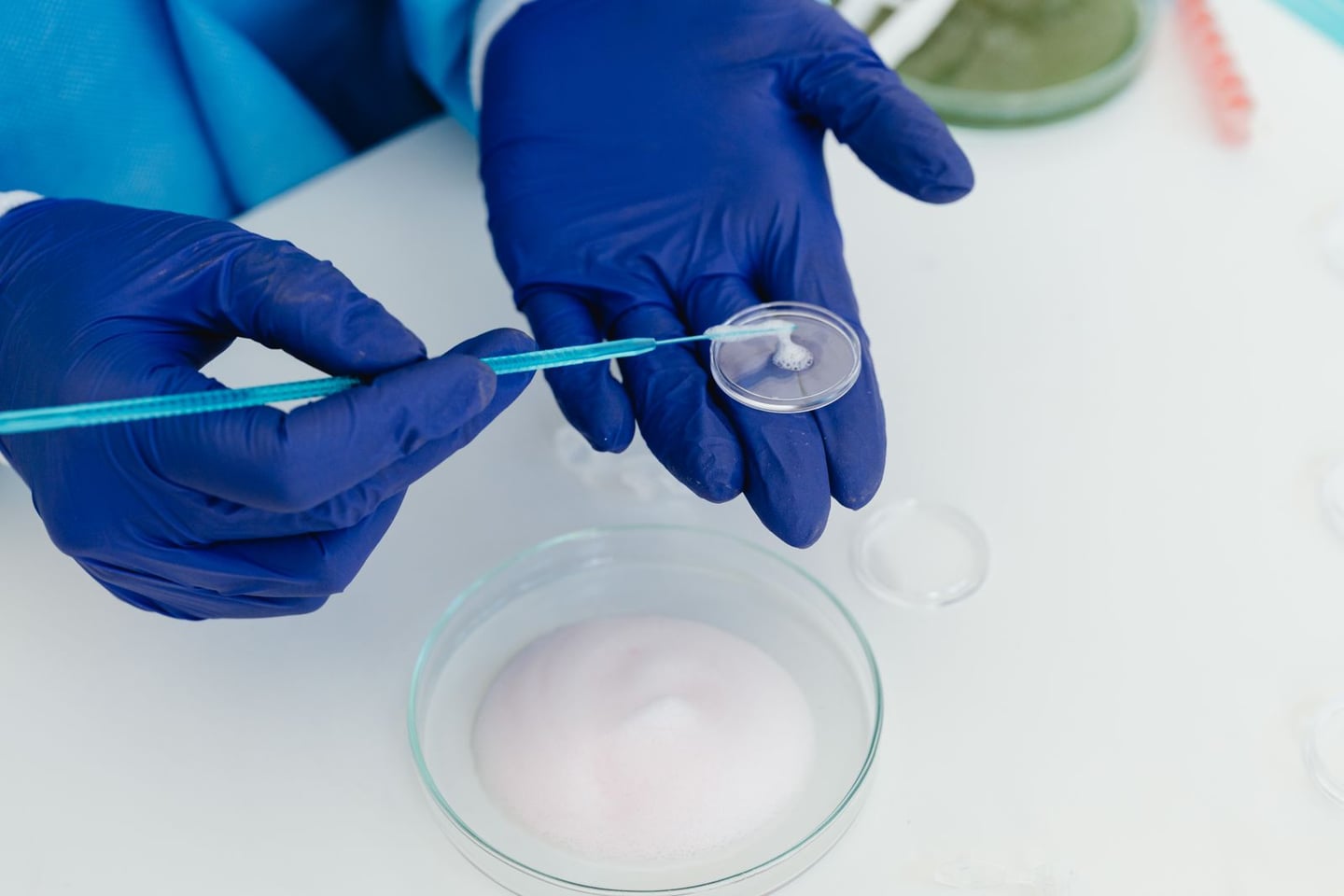
Photographs of clinical and laboratory settings, alongside the questions researchers investigate
 Thymosin Beta-4
The research setting
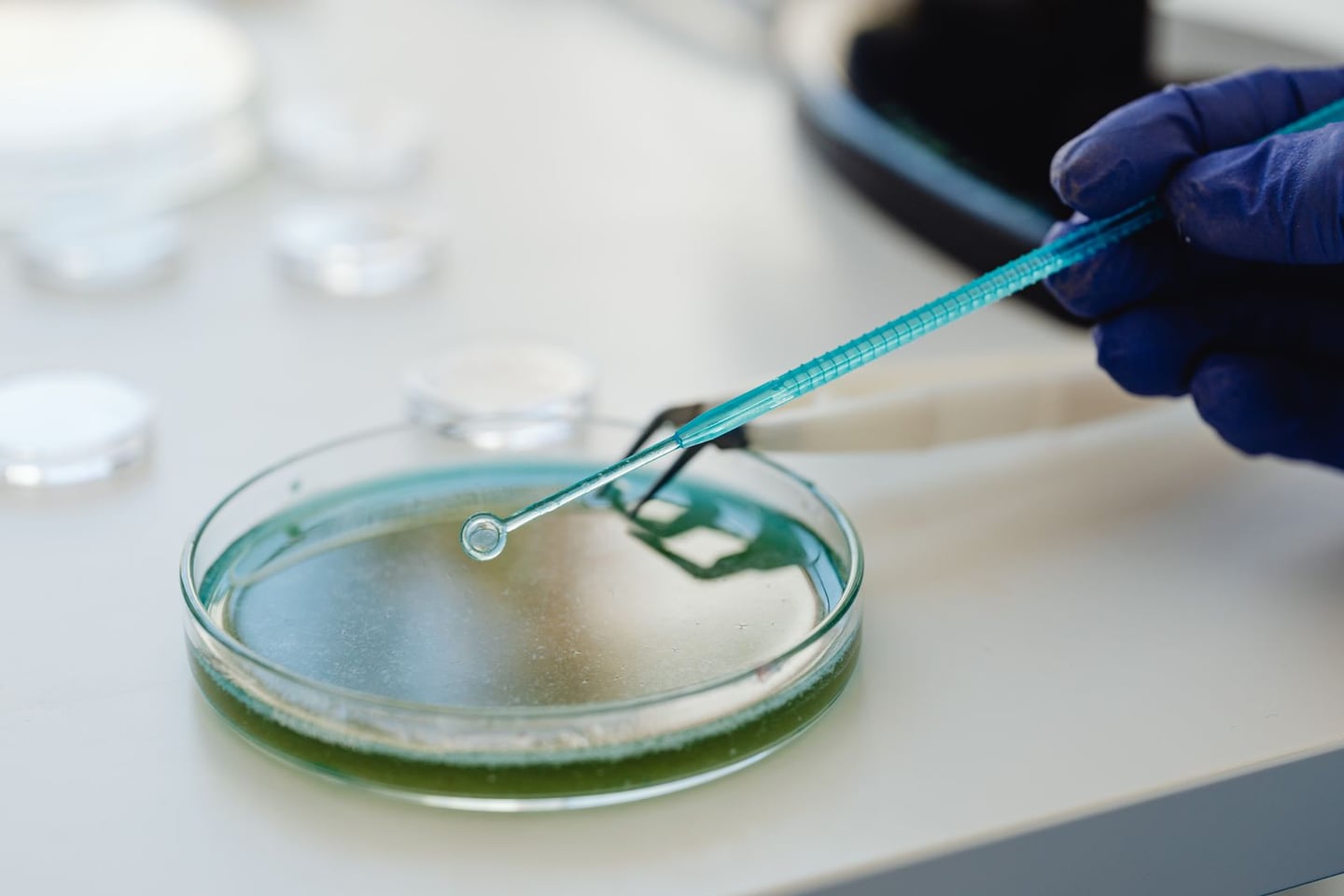
The peptide can bind actin monomers and influence the pool available for filament assembly.
 Thymosin Beta-4
How the research is investigated
Primary laboratory studies demonstrate actin-related effects in living cells and biochemical systems.
Frequently asked questions
Is thymosin beta-4 the same as every TB-500 product?
No. Full-length peptide and shorter fragments are different molecular entities. Commercial naming can be inconsistent, so the actual sequence and formulation matter.
What is the United States regulatory context for Thymosin Beta-4?
Thymosin beta-4 should not be represented as an FDA-approved general injury-recovery treatment. Investigational research does not grant approval to consumer products or establish that a fragment has the same status as the parent peptide.
Sources & further reading
Official records and research discovery links. A database search is a starting point for finding studies, not a citation to a specific clinical result
Marcus Reed
Fictional editorial character used for this site demonstration. No medical credentials or independent clinical review are claimed
Read the full profile and disclosure ↗