
BPC-157
BPC-157 is an experimental 15-amino-acid peptide frequently discussed in connection with tendon, ligament, muscle, and gastrointestinal research.
Browse all 48 profiles by category. Each guide explains the mechanism, evidence, dosage context, safety questions, and sources. Research categories are not claims of clinical effectiveness.

BPC-157 is an experimental 15-amino-acid peptide frequently discussed in connection with tendon, ligament, muscle, and gastrointestinal research.

Sermorelin is the biologically active 29-amino-acid fragment of growth hormone-releasing hormone.

Tesamorelin is a growth hormone-releasing factor analog used in FDA-approved prescription products for excess abdominal fat in adults with HIV-associated lipodystrophy.

PT-141 is a research name associated with bremelanotide.

Ipamorelin is a synthetic pentapeptide and ghrelin-receptor agonist studied as a growth hormone secretagogue.

TB-500 is a name used for products related to thymosin beta-4, often including a shorter peptide fragment.

MOTS-c is a short peptide associated with mitochondrial genetic signaling.

CJC-1295 is a synthetic growth hormone-releasing hormone analog studied for prolonged stimulation of the growth hormone and IGF-1 axis.

NAD+ is a coenzyme involved in cellular metabolism, not a peptide.

Epitalon is a synthetic tetrapeptide often discussed in longevity research.

AOD-9604 is a modified fragment related to the C-terminal region of human growth hormone.

Oxytocin is an endogenous peptide hormone with established roles in childbirth and lactation.

SLU-PP-332 is an experimental small molecule, not a peptide.

Vasoactive intestinal peptide, usually abbreviated VIP, is an endogenous signaling peptide with actions in the nervous system, blood vessels, gut, and immune biology.

SS-31 is a development name for elamipretide, a mitochondria-targeting peptide.

Thymosin beta-4 is a naturally occurring peptide involved in the organization of actin inside cells.

Mechano growth factor, or MGF, is a name connected to an IGF-1 splice variant and to research peptides derived from that biology.

Hexarelin is an experimental growth hormone-releasing peptide, also known as examorelin.

Tesofensine is an investigational monoamine reuptake inhibitor, not a peptide.

Kisspeptin refers to peptides involved in reproductive hormone signaling.
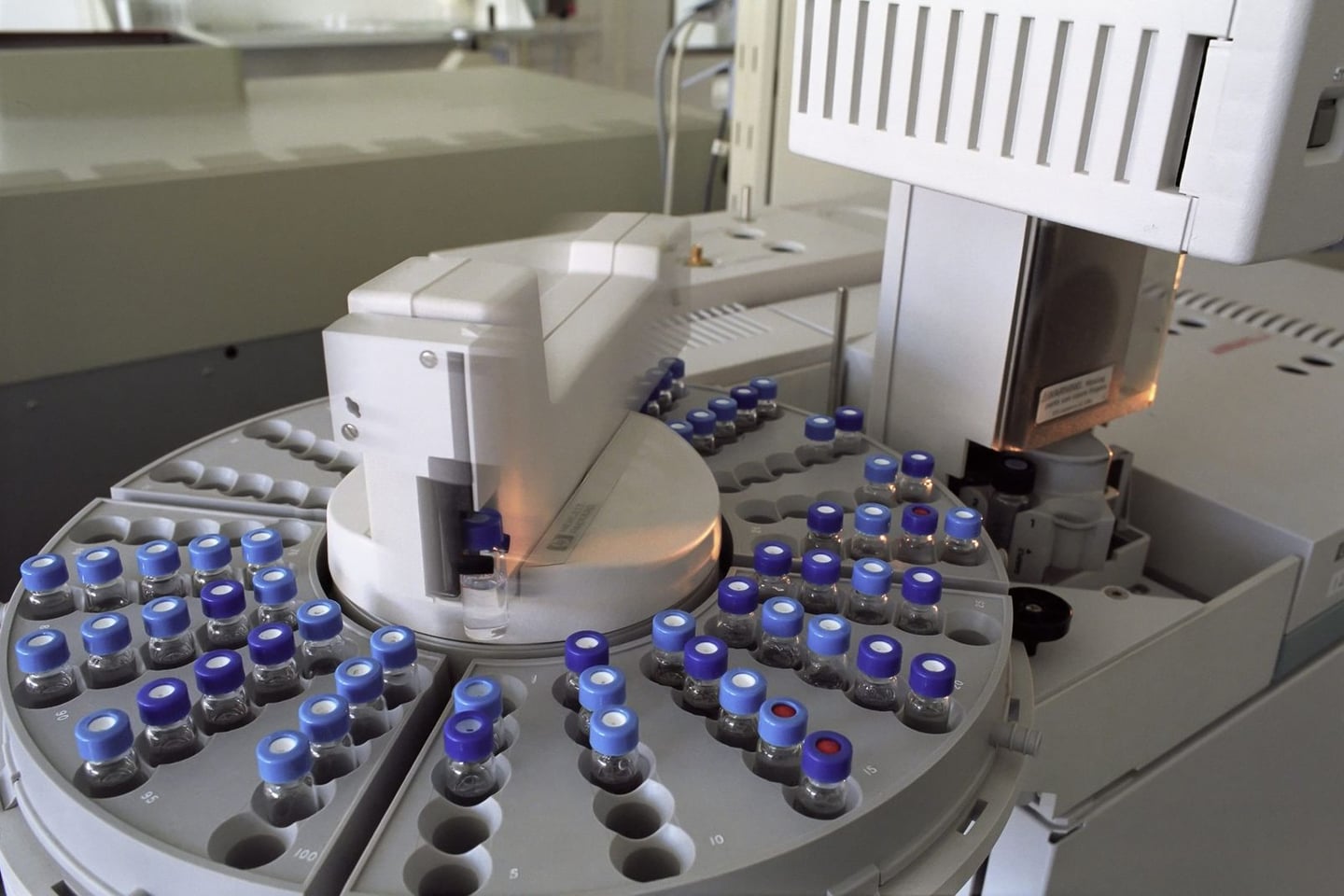
IGF-1 LR3 is a modified insulin-like growth factor used in research.

ARA-290, also known as cibinetide, is an investigational peptide designed around tissue-protective signaling associated with erythropoietin biology.

OS-01 is a proprietary peptide used in cosmetic skin-care research and products.

Humanin is a short peptide associated with mitochondrial signaling and cellular stress responses.
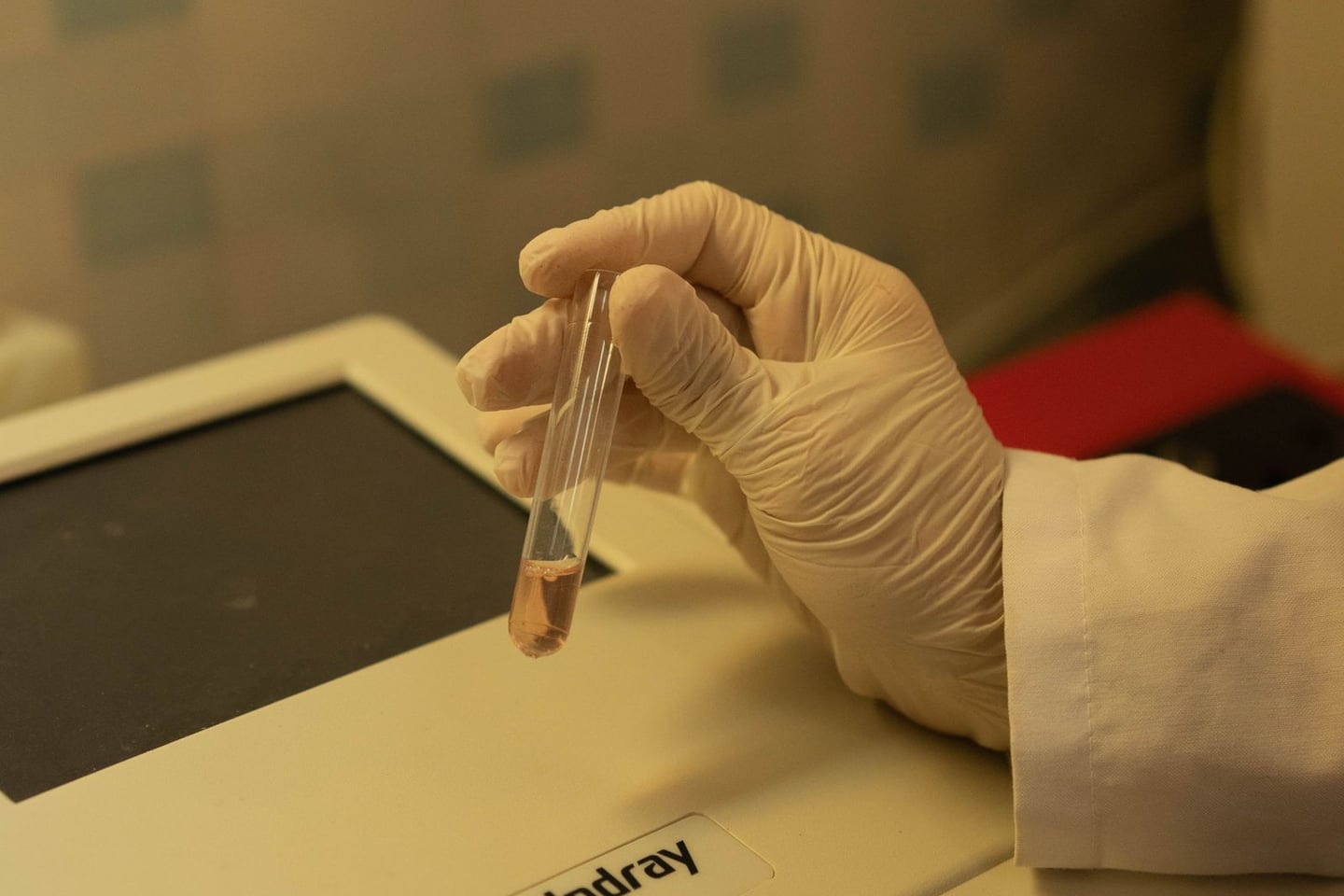
Follistatin is a regulatory protein that binds signaling molecules such as activins.

Gonadorelin is a synthetic form of gonadotropin-releasing hormone.

FOXO4-DRI is an experimental peptide investigated as a senolytic approach.

GHRP-2 is a synthetic growth hormone secretagogue used in endocrine research.

GHRP-6 is a synthetic growth hormone-releasing peptide studied as a secretagogue.


Retatrutide is an investigational peptide designed to activate GIP, GLP-1, and glucagon receptors.

Tirzepatide is a prescription peptide that activates two incretin receptors, GIP and GLP-1.

Semaglutide is a GLP-1 receptor agonist available in multiple prescription products.

Cagrilintide is a long-acting amylin analog studied for weight management, including in combination with semaglutide.

Liraglutide is a prescription GLP-1 receptor agonist used in distinct products for diabetes and weight management.

Mazdutide is a dual GLP-1 and glucagon receptor agonist studied for obesity and metabolic disease.

Survodutide is an investigational dual glucagon and GLP-1 receptor agonist.


GHK-Cu is a copper-binding tripeptide studied in skin biology and used in cosmetic formulations.

Melanotan II is an experimental melanocortin-related peptide promoted online for tanning and other effects.

GLOW is a marketing name used for peptide blends rather than a single, universally defined molecule.

Melanotan I is a historical development name associated with afamelanotide.


Semax is a synthetic heptapeptide derived from an ACTH-related sequence and studied for nervous-system effects.

Selank is a synthetic heptapeptide related to the tuftsin sequence and studied for anxiety-related and other nervous-system effects.

Pinealon is a short synthetic tripeptide studied as a regulatory peptide.

Dihexa is an experimental angiotensin IV-related peptidomimetic studied in nervous-system models.

Cerebrolysin is a porcine brain-derived preparation containing a mixture of peptides and other components.

DSIP stands for delta sleep-inducing peptide, also called emideltide.