 By Nora BennettFictional contributor · Read disclosure
Updated
Who researches Melanotan II?
This profile is for readers exploring skin biology and the evidence behind this compound. Topic associations help locate research; they do not establish that a substance is suitable for personal use
Start with the beginner’s guide if the terminology is new, then read the limitations alongside the findings
What is Melanotan II?
Cosmetic pigmentation can be visible quickly, but visibility is not the same as a favorable medical benefit-risk balance. Melanotan II discussions should therefore consider more than whether skin color changes. This guide distinguishes it from the approved afamelanotide implant and explains why similar names can obscure different receptor activity and regulatory status. It also keeps skin surveillance and ultraviolet risk in view. The evidence discussion does not treat a tanning photograph, a research label, or a vendor certificate as proof of clinical safety or a validated personal-use protocol.
Also searched as MT-II, MT2

How it works
Melanocortin receptor signaling can influence pigmentation and other physiological functions. A compound engaging this system may have effects beyond skin color. Increasing pigmentation is not the same as preventing skin cancer or replacing recommended protection from ultraviolet exposure.
Benefits & what the research shows
Experimental interest does not establish a favorable benefit-risk balance for cosmetic use. A visible tanning effect is only one observation and cannot answer long-term safety questions. Clinical claims require a characterized preparation, appropriate monitoring, and outcomes that include harms as well as changes in appearance.
Check the species, population, formulation, comparator, and endpoint before applying a result to a different situation
How to read a peptide study ↗What this evidence cannot tell us
Consumer reports rarely provide verified identity or systematic adverse-event follow-up. Pigmentation photographs can also hide changes in moles or other lesions that require assessment. Evidence for a different melanocortin drug should not be transferred to Melanotan II merely because both affect the same broad receptor family.
Dosage & administration
No established FDA-approved cosmetic self-administration schedule exists. This page does not provide tanning injections, nasal dosing, or loading instructions. Safer sun practices and evaluation of suspicious lesions remain relevant regardless of skin pigmentation.

Side effects & safety
FDA materials describe important safety concerns and published serious-event reports. Unapproved preparations add risks involving impurities, contamination, and incorrect concentration. New or changing pigmented lesions warrant medical evaluation; they should not be dismissed as a desirable or expected cosmetic result.

Melanotan II vs related compounds
Compare the research questions and mechanisms. These summaries do not establish equivalent benefits or interchangeable products
| Compound | Research context |
|---|---|
| Melanotan II | Melanocortin receptor signaling can influence pigmentation and other physiological functions. |
| GHK-Cu | The GHK sequence binds copper, and experiments explore effects on skin-related cellular signaling and tissue remodeling. |
| GLOW | There is no single GLOW mechanism to illustrate without identifying the ingredients. |
Sourcing & quality
Melanotan II is not an FDA-approved tanning medicine. The existence of an approved afamelanotide product does not authorize a Melanotan II injection or nasal spray.
Regulatory details can change. Verify the current, product-specific record before making a clinical or purchasing decision
Understand FDA approval and research useInside the research
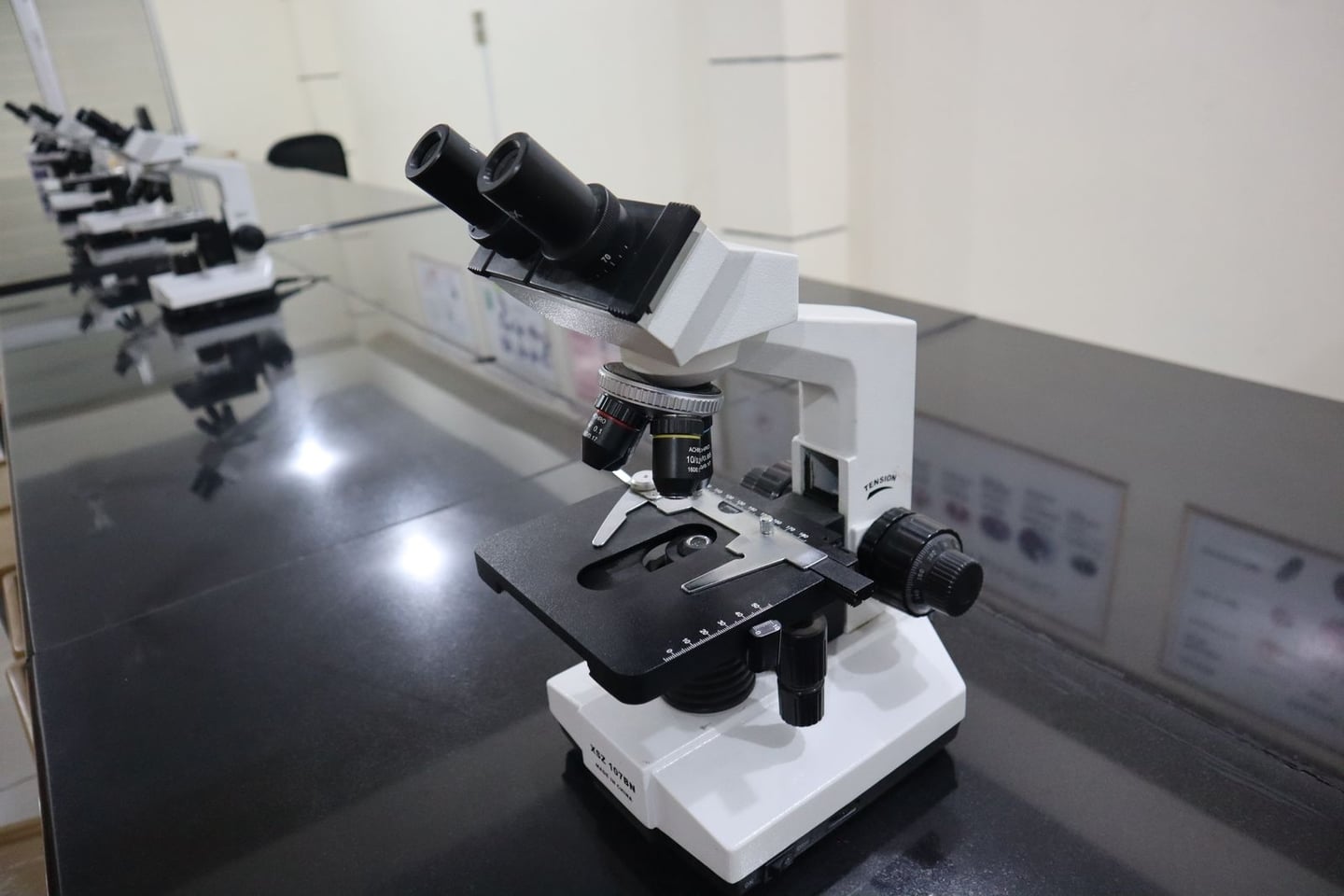
Photographs of clinical and laboratory settings, alongside the questions researchers investigate
 Melanotan II
The research setting
Melanocortin receptor signaling can influence pigmentation and other physiological functions.
 Melanotan II
How the research is investigated
Experimental interest does not establish a favorable benefit-risk balance for cosmetic use.
Frequently asked questions
Is Melanotan II the approved afamelanotide implant?
No. They are different interventions. A similar name or pigmentation effect does not establish the same regulatory status, formulation, or safety profile.
What is the United States regulatory context for Melanotan II?
Melanotan II is not an FDA-approved tanning medicine. The existence of an approved afamelanotide product does not authorize a Melanotan II injection or nasal spray.
Sources & further reading
Official records and research discovery links. A database search is a starting point for finding studies, not a citation to a specific clinical result
Nora Bennett
Fictional editorial character used for this site demonstration. No medical credentials or independent clinical review are claimed
Read the full profile and disclosure ↗