 By Nora BennettFictional contributor · Read disclosure
Updated
Who researches GLOW?
This profile is for readers exploring skin biology and the evidence behind this compound. Topic associations help locate research; they do not establish that a substance is suitable for personal use
Start with the beginner’s guide if the terminology is new, then read the limitations alongside the findings
What is GLOW?
A blend name is not a chemical identity. Before interpreting any GLOW claim, a reader needs a complete ingredient list, amounts, route, and evidence for that exact formulation. Without those details, even a sophisticated pathway diagram can create an illusion of precision. This guide uses GLOW to explain the difference between ingredient-level hypotheses and finished-product evidence. It also addresses why compatibility and stability matter when compounds are combined, and why a study containing the word glow does not necessarily investigate the product a consumer is considering.
Also searched as GLOW peptide blend
How it works
There is no single GLOW mechanism to illustrate without identifying the ingredients. A vendor may combine compounds associated with skin signaling or repair research, but a plausible explanation for each ingredient does not demonstrate that the combination behaves as predicted. Mixing can also affect stability and exposure.

Benefits & what the research shows
The relevant evidence would be a study of the exact finished blend with a defined composition and route. Research on separate ingredients cannot establish the efficacy or safety of a mixture. A search result containing the word glow or a study of an unrelated cosmetic formula is not evidence for a specific peptide blend.
Check the species, population, formulation, comparator, and endpoint before applying a result to a different situation
How to read a peptide study ↗What this evidence cannot tell us
Unclear identity prevents reliable comparison across suppliers or studies. Before-and-after images are especially weak when products, skin care, procedures, lighting, and timing change together. Claims about collagen, healing, and radiance also describe different outcomes and should not be collapsed into one promise.
Dosage & administration
No dosing schedule is provided for an undefined blend. This page does not recommend a mixture ratio or home preparation. Readers should request the full composition and evidence for the finished product before accepting claims made about it.
Side effects & safety
Risks depend on the actual ingredients and route, and combining them may add uncertainties rather than remove them. Injectable mixtures introduce sterility and compatibility questions not answered by topical cosmetic studies. A brand-like blend name cannot stand in for a full quality and safety assessment.

GLOW vs related compounds
Compare the research questions and mechanisms. These summaries do not establish equivalent benefits or interchangeable products
| Compound | Research context |
|---|---|
| GLOW | There is no single GLOW mechanism to illustrate without identifying the ingredients. |
| GHK-Cu | The GHK sequence binds copper, and experiments explore effects on skin-related cellular signaling and tissue remodeling. |
| Melanotan I | Afamelanotide activates the melanocortin-1 receptor and promotes eumelanin production. |
Sourcing & quality
GLOW should not be represented as an FDA-approved standardized peptide treatment. Any regulatory claim must refer to the exact product and intended use, not to the familiarity of one ingredient name.
Regulatory details can change. Verify the current, product-specific record before making a clinical or purchasing decision
Understand FDA approval and research useInside the research
Photographs of clinical and laboratory settings, alongside the questions researchers investigate
 GLOW
The research setting
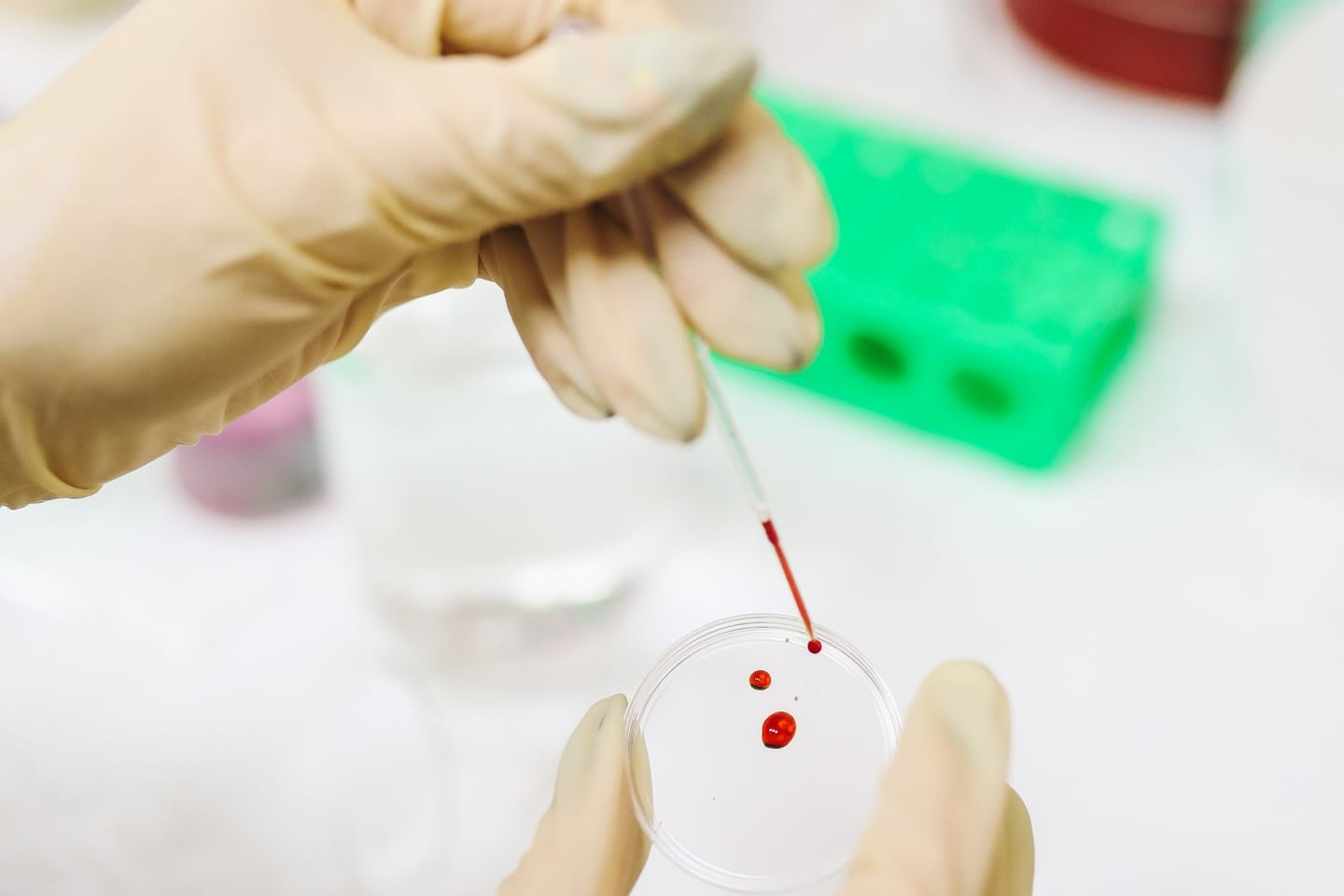
There is no single GLOW mechanism to illustrate without identifying the ingredients.
 GLOW
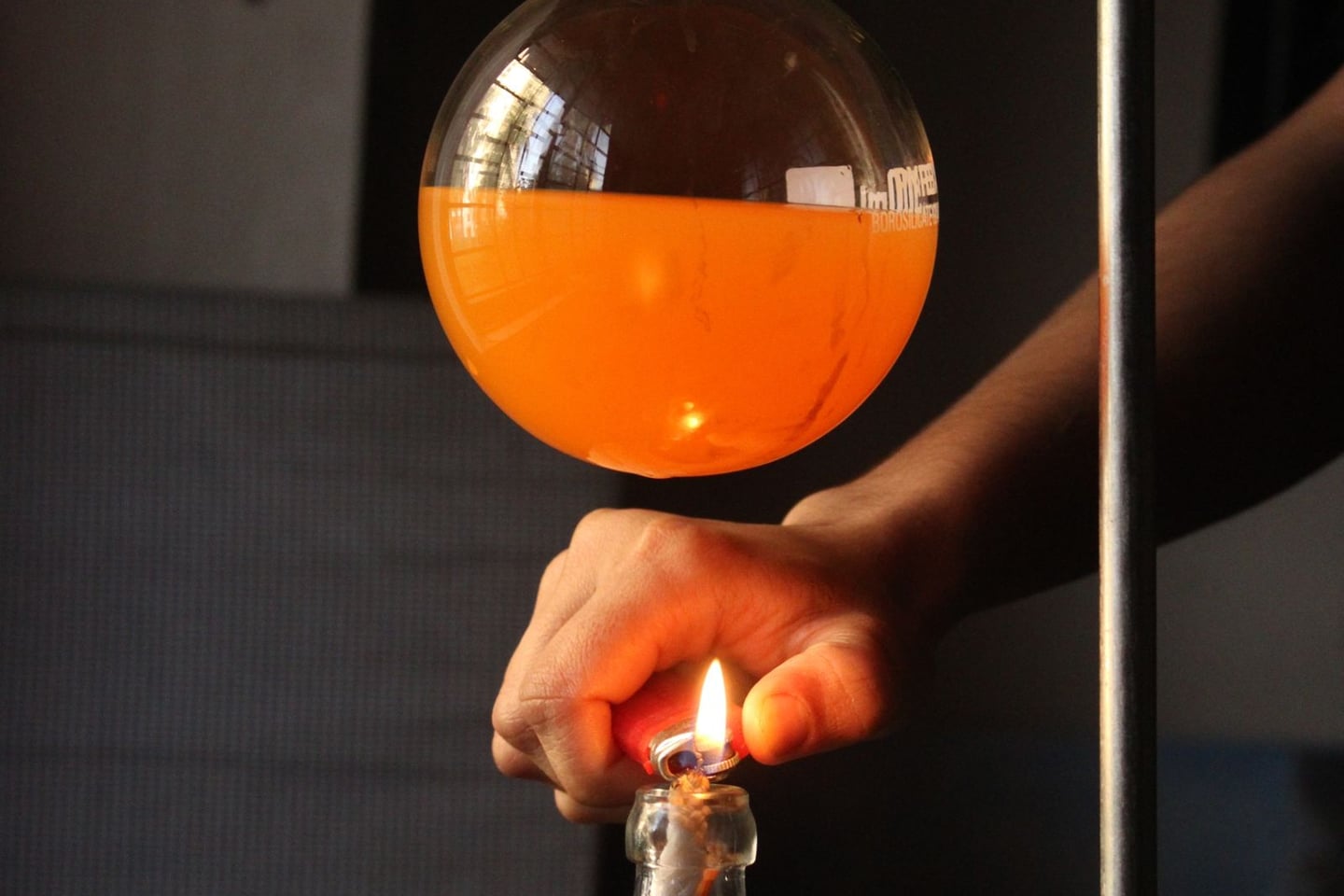
How the research is investigated
The relevant evidence would be a study of the exact finished blend with a defined composition and route.
Frequently asked questions
What is the first question to ask about a GLOW blend?
Ask for the complete composition, amounts, route, and finished-product evidence. The marketing name alone does not define a standardized intervention.
What is the United States regulatory context for GLOW?
GLOW should not be represented as an FDA-approved standardized peptide treatment. Any regulatory claim must refer to the exact product and intended use, not to the familiarity of one ingredient name.
Sources & further reading
Official records and research discovery links. A database search is a starting point for finding studies, not a citation to a specific clinical result
Nora Bennett
Fictional editorial character used for this site demonstration. No medical credentials or independent clinical review are claimed
Read the full profile and disclosure ↗