 By Nora BennettFictional contributor · Read disclosure
Updated
Who researches Melanotan I?
This profile is for readers exploring skin biology and the evidence behind this compound. Topic associations help locate research; they do not establish that a substance is suitable for personal use
Start with the beginner’s guide if the terminology is new, then read the limitations alongside the findings
What is Melanotan I?
The historical term Melanotan I can make a regulated rare-disease medicine sound interchangeable with consumer tanning products. It is more useful to identify afamelanotide, the actual approved implant, and the phototoxicity condition studied. This guide follows that approach and separates disease-specific light-exposure outcomes from cosmetic pigmentation. It also explains why professional administration and skin monitoring are part of the clinical context. A similar molecular nickname, darker skin, or an online vial does not establish the same formulation, indication, or evidence base.
Also searched as Afamelanotide, Scenesse

How it works
Afamelanotide activates the melanocortin-1 receptor and promotes eumelanin production. The clinical aim in erythropoietic protoporphyria is protection from painful phototoxic reactions, not recreational tanning. The controlled-release implant and the rare-disease context are essential parts of the treatment being evaluated.

Benefits & what the research shows
Approval is supported by studies in adults with erythropoietic protoporphyria. Outcomes such as pain-free time in sunlight relate to that disease and its burden. They do not establish a cosmetic tanning indication or demonstrate that a vial sold as melanotan is chemically or clinically equivalent to Scenesse.
Check the species, population, formulation, comparator, and endpoint before applying a result to a different situation
How to read a peptide study ↗What this evidence cannot tell us
The historical name can obscure major differences in formulation, manufacturer, quality controls, administration, and intended use. Comparing photographs of darker skin does not substitute for clinical endpoints or safety follow-up. An approved implant administered by trained professionals is a different proposition from a self-mixed research product.
Dosage & administration
Administration of the approved implant requires trained healthcare professionals and the current prescribing information. No cosmetic self-administration schedule is provided. A patient with suspected photosensitivity should seek diagnosis rather than use pigmentation changes as a substitute for disease evaluation.

Side effects & safety
The label addresses hypersensitivity, including serious reactions, and increased pigmentation or changes in existing pigmented lesions. Skin monitoring is relevant. Protection from one source of phototoxicity does not justify unrestricted ultraviolet exposure. Patients still need individualized advice about sun exposure and skin surveillance.

Melanotan I vs related compounds
Compare the research questions and mechanisms. These summaries do not establish equivalent benefits or interchangeable products
| Compound | Research context |
|---|---|
| Melanotan I | Afamelanotide activates the melanocortin-1 receptor and promotes eumelanin production. |
| GHK-Cu | The GHK sequence binds copper, and experiments explore effects on skin-related cellular signaling and tissue remodeling. |
| GLOW | There is no single GLOW mechanism to illustrate without identifying the ingredients. |
Sourcing & quality
Scenesse is an FDA-approved prescription implant for its specific indication. This does not make all products marketed as Melanotan I approved. Regulatory status belongs to the exact product and use, not to a loosely shared nickname.
Regulatory details can change. Verify the current, product-specific record before making a clinical or purchasing decision
Understand FDA approval and research useInside the research
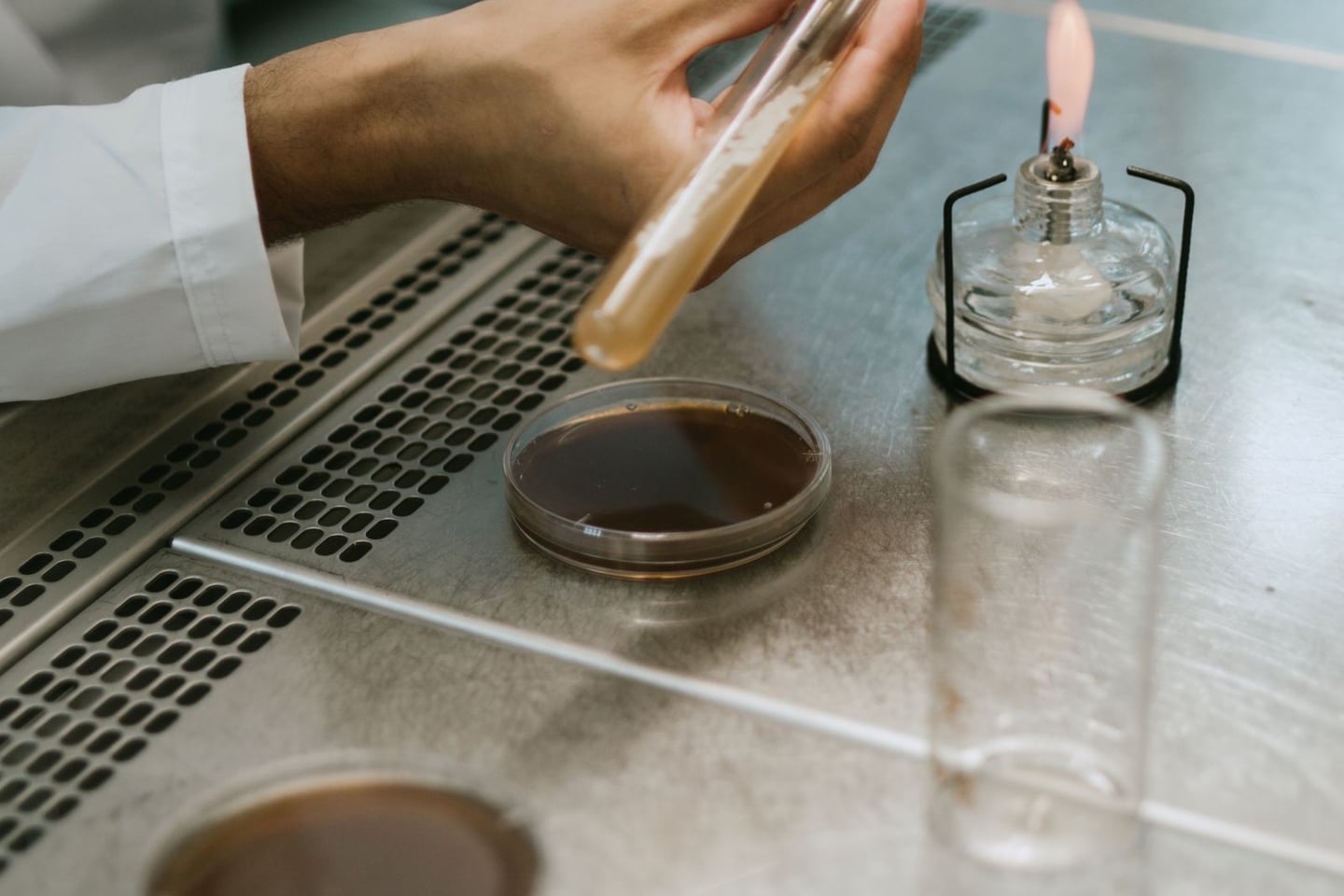
Photographs of clinical and laboratory settings, alongside the questions researchers investigate
 Melanotan I
The research setting
Afamelanotide activates the melanocortin-1 receptor and promotes eumelanin production.
 Melanotan I
How the research is investigated
Approval is supported by studies in adults with erythropoietic protoporphyria.
Frequently asked questions
Is a Melanotan I vial equivalent to Scenesse?
A shared historical name does not establish equivalent formulation, quality, administration, or approval. Scenesse is a specific regulated implant with a defined indication.
What is the United States regulatory context for Melanotan I?
Scenesse is an FDA-approved prescription implant for its specific indication. This does not make all products marketed as Melanotan I approved. Regulatory status belongs to the exact product and use, not to a loosely shared nickname.
Sources & further reading
Official records and research discovery links. A database search is a starting point for finding studies, not a citation to a specific clinical result
Nora Bennett
Fictional editorial character used for this site demonstration. No medical credentials or independent clinical review are claimed
Read the full profile and disclosure ↗