 By Marcus ReedFictional contributor · Read disclosure
Updated
Who researches BPC-157?
This profile is for readers exploring repair biology and the evidence behind this compound. Topic associations help locate research; they do not establish that a substance is suitable for personal use
Start with the beginner’s guide if the terminology is new, then read the limitations alongside the findings
What is BPC-157?
BPC-157 is a useful case study in the gap between promising preclinical observations and established injury care. Tendon and ligament experiments can measure strength, histology, or healing in a controlled model, while a person with chronic pain may have a different problem entirely. Translating between those settings requires human clinical evidence. This guide identifies the level of evidence behind recovery claims, considers the quality problems associated with unapproved products, and explains why a rehabilitation outcome cannot be attributed to a peptide from an uncontrolled story alone.
Also searched as Body protection compound 157, PL 14736

How it works
Laboratory investigations examine several possible responses, including fibroblast behavior, vascular signaling, and pathways involved in tissue repair. These observations are context-dependent and do not establish one fully settled therapeutic mechanism. A cell-culture change or improvement in an induced animal injury does not show that an injected product will repair a human tendon.
Benefits & what the research shows
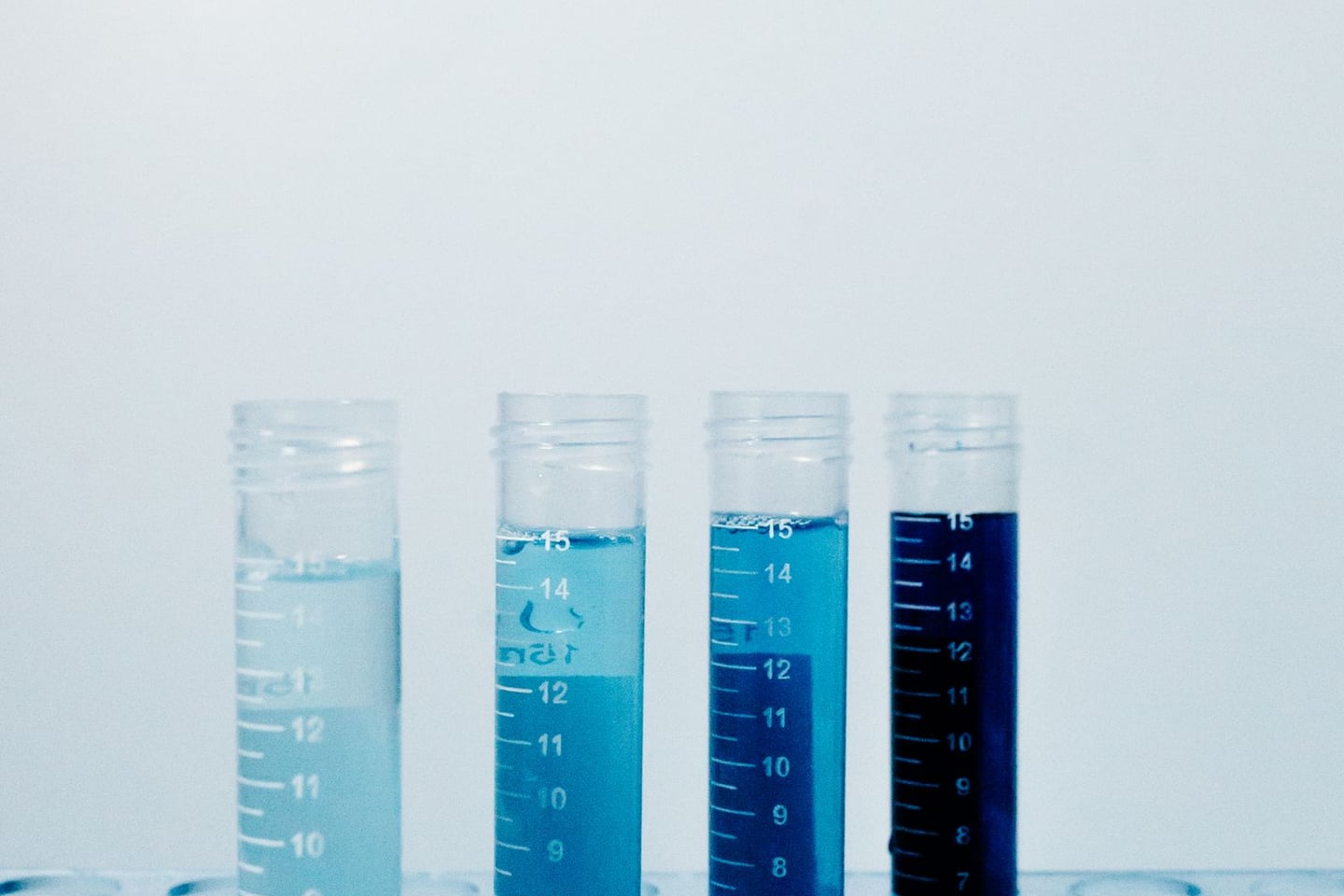
A published rat Achilles-tendon experiment and a separate rat ligament experiment reported improvements in injury-related measurements. They are preclinical studies. Human clinical evidence is insufficient to establish a reliable benefit-risk balance for routine injury care. Descriptions of these experiments should clearly name the species and experimental injury rather than present them as clinical recovery results.
Check the species, population, formulation, comparator, and endpoint before applying a result to a different situation
How to read a peptide study ↗What this evidence cannot tell us
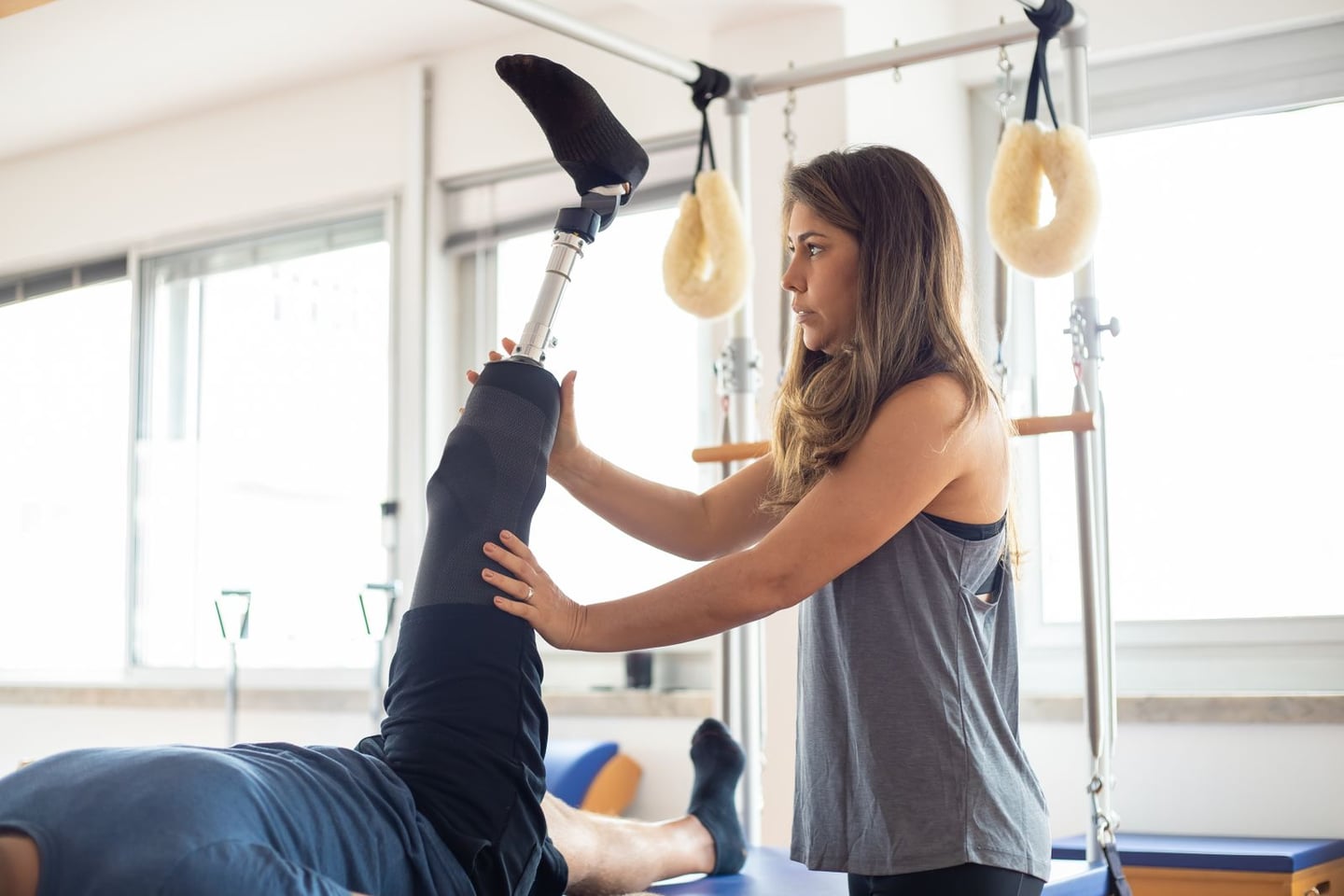
Animal injuries are standardized; human tendon pain can involve chronic degeneration, mechanical load, rehabilitation, or another diagnosis. Those differences matter. A small uncontrolled report cannot separate treatment effects from natural recovery, placebo effects, co-interventions, or selective reporting. Direct randomized human evidence would be needed to support stronger clinical claims.
Dosage & administration
There is no established FDA-approved self-treatment dose or injection schedule. Animal doses cannot be converted into a personal treatment protocol from an online calculator. This page does not provide reconstitution, injection-site, or stacking instructions for BPC-157.

Side effects & safety
Uncertainty includes the pharmacology as well as the identity, impurities, concentration, and sterility of unapproved products. Unknown rates of adverse events should not be described as absence of side effects. Delaying diagnosis or rehabilitation in favor of an experimental injection can add risk unrelated to the molecule itself.
BPC-157 vs related compounds
Compare the research questions and mechanisms. These summaries do not establish equivalent benefits or interchangeable products
| Compound | Research context |
|---|---|
| BPC-157 | Laboratory investigations examine several possible responses, including fibroblast behavior, vascular signaling, and pathways involved in tissue repair. |
| ARA-290 | The development rationale is to engage an innate repair receptor pathway while avoiding the red-blood-cell stimulation associated with conventional erythropoietin. |
| TB-500 | Thymosin beta-4 participates in actin-related cell biology, and related fragments have been investigated for tissue responses. |
Sourcing & quality
BPC-157 is not an FDA-approved treatment for tendon, ligament, muscle, or gut disorders. FDA compounding materials discuss safety and characterization concerns. A compounding nomination, advisory discussion, or sale online is not equivalent to a drug approval.
Regulatory details can change. Verify the current, product-specific record before making a clinical or purchasing decision
Understand FDA approval and research useInside the research
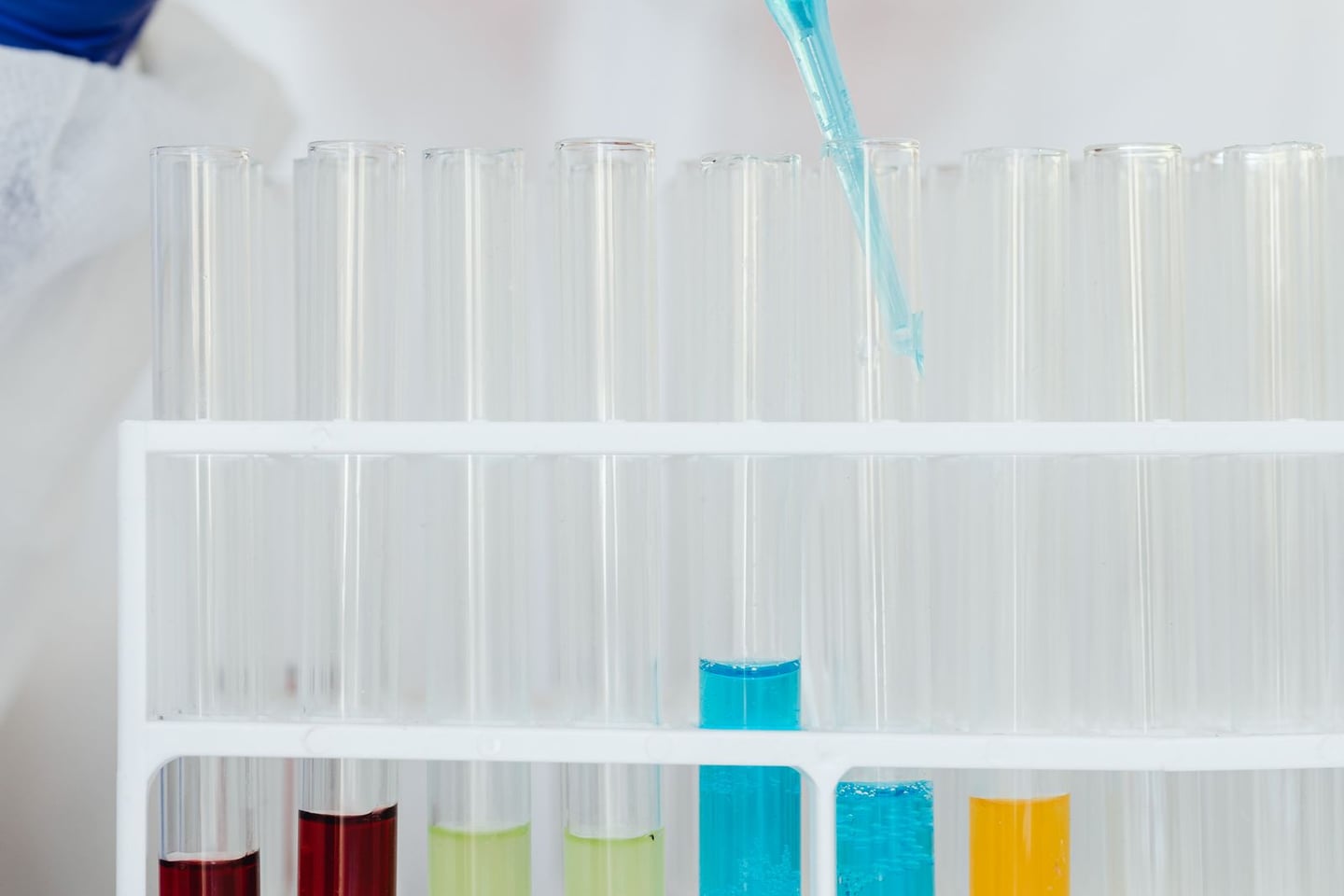
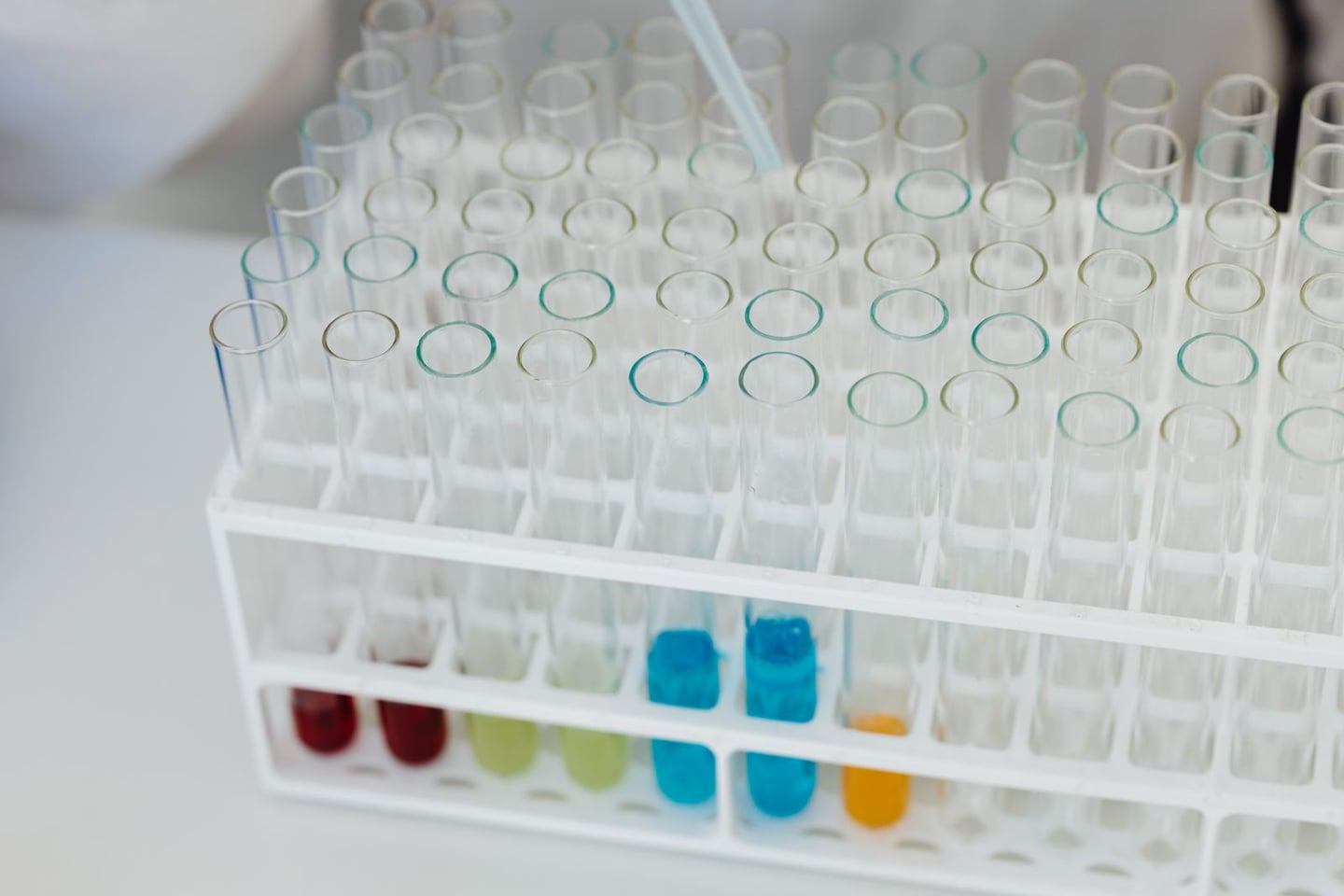
Photographs of clinical and laboratory settings, alongside the questions researchers investigate
 BPC-157
The research setting
Laboratory investigations examine several possible responses, including fibroblast behavior, vascular signaling, and pathways involved in tissue repair.
 BPC-157
How the research is investigated
A published rat Achilles-tendon experiment and a separate rat ligament experiment reported improvements in injury-related measurements.
Frequently asked questions
Do tendon studies prove BPC-157 heals human injuries?
No. The cited tendon and ligament experiments were performed in rats. Human treatment claims need relevant controlled clinical evidence and adequate safety assessment.
What is the United States regulatory context for BPC-157?
BPC-157 is not an FDA-approved treatment for tendon, ligament, muscle, or gut disorders. FDA compounding materials discuss safety and characterization concerns. A compounding nomination, advisory discussion, or sale online is not equivalent to a drug approval.
Sources & further reading
Official records and research discovery links. A database search is a starting point for finding studies, not a citation to a specific clinical result
Marcus Reed
Fictional editorial character used for this site demonstration. No medical credentials or independent clinical review are claimed
Read the full profile and disclosure ↗