 By Marcus ReedFictional contributor · Read disclosure
Updated
Who researches ARA-290?
This profile is for readers exploring repair biology and the evidence behind this compound. Topic associations help locate research; they do not establish that a substance is suitable for personal use
Start with the beginner’s guide if the terminology is new, then read the limitations alongside the findings
What is ARA-290?
ARA-290 research is most informative when connected to the disease population actually studied. Small-fiber symptoms in sarcoidosis are not automatically equivalent to every neuropathy or pain syndrome. This guide therefore separates the tissue-protective rationale from the clinical evidence and distinguishes symptom scores from structural nerve measurements. It also explains why short studies cannot answer all long-term questions. The aim is to help readers understand the scope of a promising investigational result without translating it into a universal nerve-repair claim or a self-directed treatment plan.
Also searched as Cibinetide

How it works
The development rationale is to engage an innate repair receptor pathway while avoiding the red-blood-cell stimulation associated with conventional erythropoietin. That distinction is a design objective, not proof that every safety concern has been removed. Repair signaling also depends on the tissue and disease context.
Benefits & what the research shows
A blinded, placebo-controlled study in sarcoidosis-associated small-fiber loss assessed symptoms and nerve-related measurements. It provides disease-specific human evidence, including a short treatment period. These findings should not be generalized automatically to every neuropathy, every cause of pain, or an uncharacterized online product.
Check the species, population, formulation, comparator, and endpoint before applying a result to a different situation
How to read a peptide study ↗What this evidence cannot tell us
Neuropathic symptoms can arise from diabetes, immune disease, nutritional deficiency, medication effects, and other causes. A useful study in one group may not answer another group’s question. Nerve density, symptom scores, and long-term function also represent different outcomes and should not be collapsed into the word regeneration.
Dosage & administration
No established FDA-approved personal treatment schedule is provided. Trial regimens apply to selected participants under monitoring. This profile does not advise changing a neuropathy treatment plan or starting injections without a diagnostic evaluation.
Side effects & safety
Long-term safety and the benefit-risk balance for proposed uses require further investigation. An experimental peptide may have interactions or delayed effects that a short study cannot detect. For unapproved preparations, identity, stability, sterility, and dose accuracy introduce additional concerns.
ARA-290 vs related compounds
Compare the research questions and mechanisms. These summaries do not establish equivalent benefits or interchangeable products
| Compound | Research context |
|---|---|
| ARA-290 | The development rationale is to engage an innate repair receptor pathway while avoiding the red-blood-cell stimulation associated with conventional erythropoietin. |
| BPC-157 | Laboratory investigations examine several possible responses, including fibroblast behavior, vascular signaling, and pathways involved in tissue repair. |
| TB-500 | Thymosin beta-4 participates in actin-related cell biology, and related fragments have been investigated for tissue responses. |
Sourcing & quality
ARA-290 is not an FDA-approved general neuropathy or tissue-repair treatment. Trial participation and investigational development should not be confused with consumer marketing authorization.
Regulatory details can change. Verify the current, product-specific record before making a clinical or purchasing decision
Understand FDA approval and research useInside the research
Photographs of clinical and laboratory settings, alongside the questions researchers investigate
 ARA-290
The research setting
The development rationale is to engage an innate repair receptor pathway while avoiding the red-blood-cell stimulation associated with conventional erythropoietin.
 ARA-290
How the research is investigated
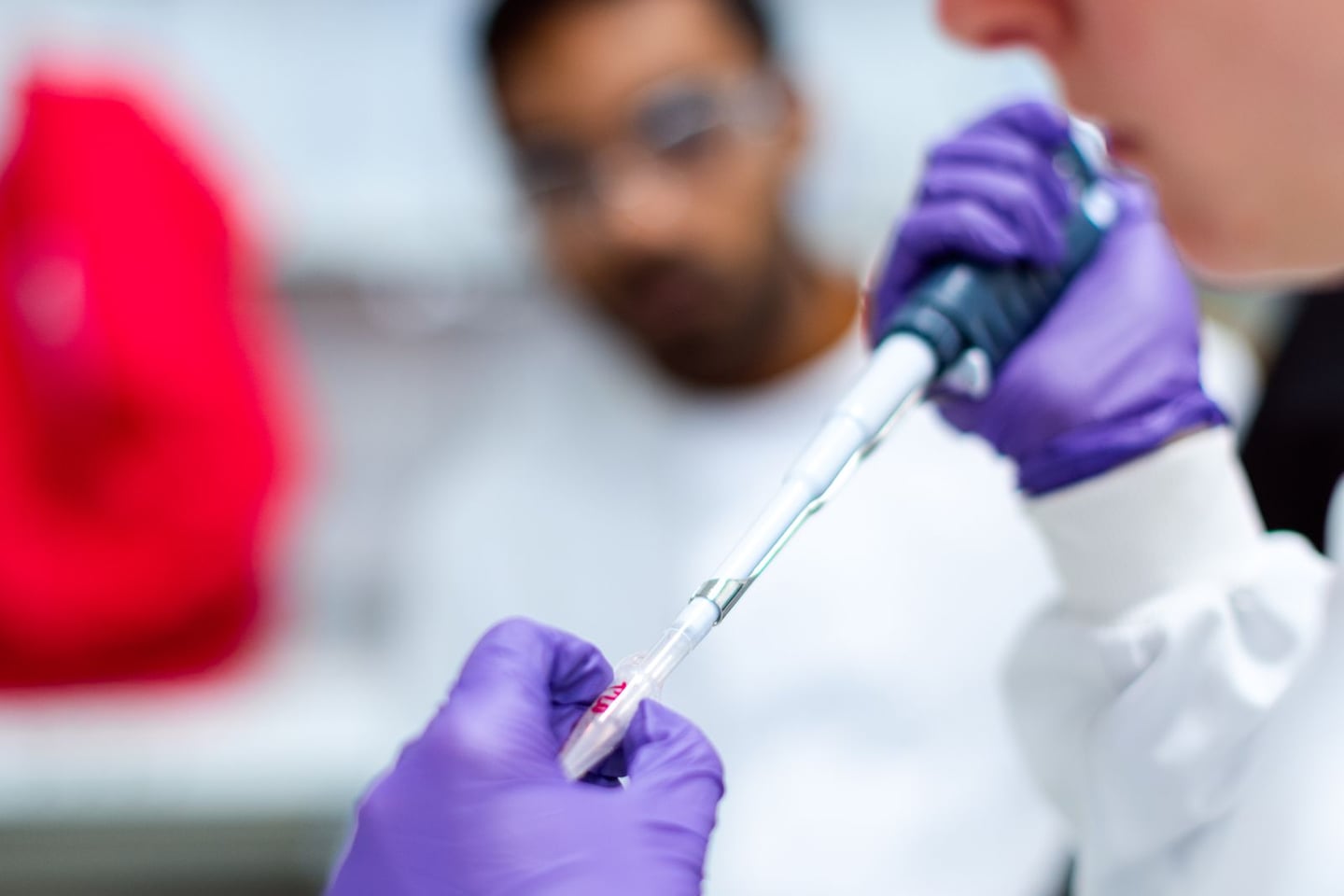
A blinded, placebo-controlled study in sarcoidosis-associated small-fiber loss assessed symptoms and nerve-related measurements.
Frequently asked questions
Can one neuropathy study support every nerve-pain claim?
No. Cause, population, outcome, and follow-up matter. Findings in sarcoidosis-associated small-fiber loss cannot automatically establish treatment for all neuropathies.
What is the United States regulatory context for ARA-290?
ARA-290 is not an FDA-approved general neuropathy or tissue-repair treatment. Trial participation and investigational development should not be confused with consumer marketing authorization.
Sources & further reading
Official records and research discovery links. A database search is a starting point for finding studies, not a citation to a specific clinical result
Marcus Reed
Fictional editorial character used for this site demonstration. No medical credentials or independent clinical review are claimed
Read the full profile and disclosure ↗