 By Nora BennettFictional contributor · Read disclosure
Updated
Who researches GHK-Cu?
This profile is for readers exploring skin biology and the evidence behind this compound. Topic associations help locate research; they do not establish that a substance is suitable for personal use
Start with the beginner’s guide if the terminology is new, then read the limitations alongside the findings
What is GHK-Cu?
Copper-peptide discussions often combine cosmetic skin care, hair claims, wound research, and injections into one story. Those are different uses with different exposure and evidence requirements. A topical formulation must cross or act within a skin barrier, while an injection changes the exposure entirely. This profile explains why route and finished-product composition matter when interpreting a GHK-Cu study. It also distinguishes a visible cosmetic improvement from treatment of a disease and encourages direct appraisal of the product and endpoint behind each claim.
Also searched as Copper tripeptide-1, Glycyl-L-histidyl-L-lysine copper
How it works
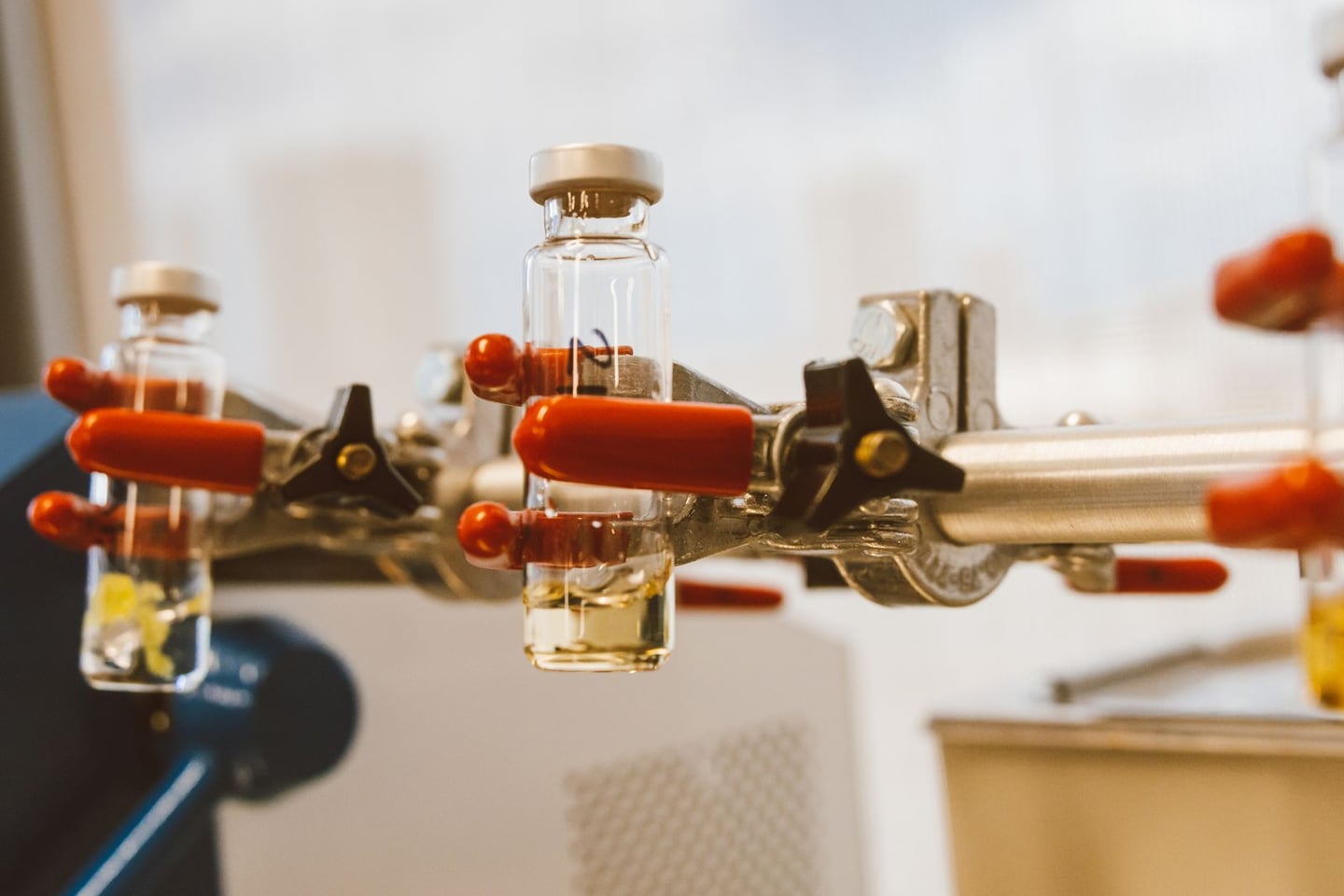
The GHK sequence binds copper, and experiments explore effects on skin-related cellular signaling and tissue remodeling. Copper is a biologically active metal, while the peptide influences its chemical context. Skin penetration, formulation stability, concentration, and delivery method all affect the exposure actually produced by a topical product.
Benefits & what the research shows
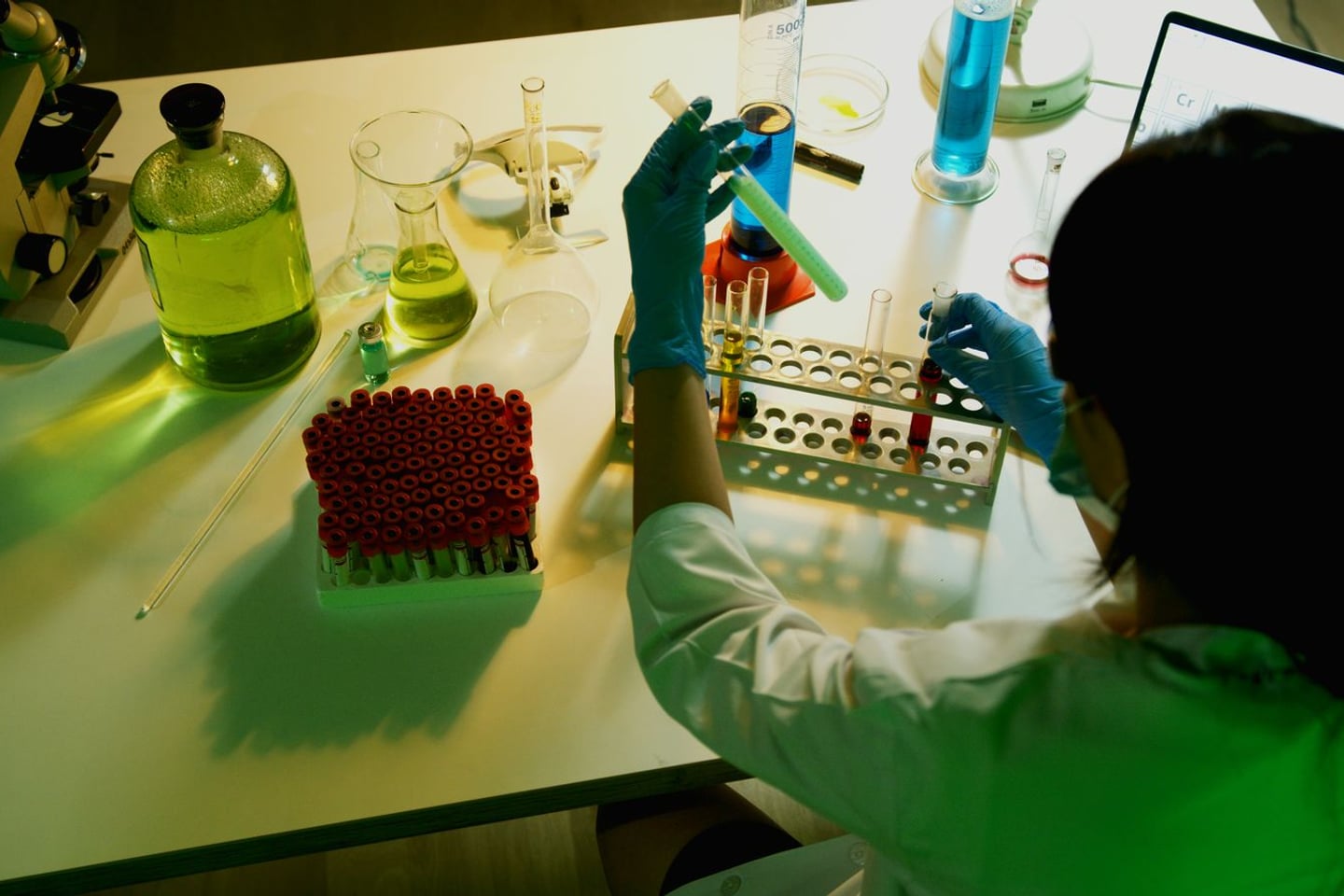
Laboratory studies include skin models, cultured cells, and delivery experiments. These can identify possible mechanisms and formulation challenges. A cosmetic claim about appearance is also different from a treatment claim about a wound, a disease, or hair loss. Each needs relevant evidence using the actual finished product.
Check the species, population, formulation, comparator, and endpoint before applying a result to a different situation
How to read a peptide study ↗What this evidence cannot tell us
A favorable cell-culture result does not tell readers how large or durable a visible improvement will be. Many cosmetic products contain several active ingredients, making it difficult to attribute an observed effect specifically to GHK-Cu. Before-and-after photographs are vulnerable to differences in lighting, skin care, timing, and image selection.
Dosage & administration
For a cosmetic, follow the finished product’s directions and stop if irritation occurs. This page provides no injection dose or mixing instructions. Persistent skin disease, suspicious lesions, or significant hair loss should be evaluated clinically rather than treated solely with an experimental peptide.
Side effects & safety
Topical irritation or allergy is possible, and damaged skin can change exposure. Injectable GHK-Cu introduces additional concerns that cannot be answered by topical testing. FDA has highlighted limited safety information and possible problems with aggregation and peptide impurities for injectable routes.
GHK-Cu vs related compounds
Compare the research questions and mechanisms. These summaries do not establish equivalent benefits or interchangeable products
| Compound | Research context |
|---|---|
| GHK-Cu | The GHK sequence binds copper, and experiments explore effects on skin-related cellular signaling and tissue remodeling. |
| GLOW | There is no single GLOW mechanism to illustrate without identifying the ingredients. |
| Melanotan I | Afamelanotide activates the melanocortin-1 receptor and promotes eumelanin production. |
Sourcing & quality
Cosmetic use does not equal FDA approval as a medicine. GHK-Cu should not be marketed as an FDA-approved injectable anti-aging or hair-restoration treatment. The intended claim and route matter when considering regulatory status.
Regulatory details can change. Verify the current, product-specific record before making a clinical or purchasing decision
Understand FDA approval and research useInside the research
Photographs of clinical and laboratory settings, alongside the questions researchers investigate
 GHK-Cu
The research setting
The GHK sequence binds copper, and experiments explore effects on skin-related cellular signaling and tissue remodeling.
 GHK-Cu
How the research is investigated
Laboratory studies include skin models, cultured cells, and delivery experiments.
Frequently asked questions
Do topical GHK-Cu studies support injection?
No. Topical and injectable routes produce different exposures and require separate evidence. Cosmetic use does not establish an approved injectable indication.
What is the United States regulatory context for GHK-Cu?
Cosmetic use does not equal FDA approval as a medicine. GHK-Cu should not be marketed as an FDA-approved injectable anti-aging or hair-restoration treatment. The intended claim and route matter when considering regulatory status.
Sources & further reading
Official records and research discovery links. A database search is a starting point for finding studies, not a citation to a specific clinical result
Nora Bennett
Fictional editorial character used for this site demonstration. No medical credentials or independent clinical review are claimed
Read the full profile and disclosure ↗