 By Nora BennettFictional contributor · Read disclosure
Updated
Who researches Pinealon?
This profile is for readers exploring neuroscience biology and the evidence behind this compound. Topic associations help locate research; they do not establish that a substance is suitable for personal use
Start with the beginner’s guide if the terminology is new, then read the limitations alongside the findings
What is Pinealon?
Pinealon is part of a literature on short regulatory peptides, where laboratory endpoints are often used to motivate broader aging claims. The key interpretive task is keeping the scale of the claim matched to the experiment. A change in a cell model does not establish improved memory, resilience, or neurological health in a person. This guide explains that boundary and identifies the need for relevant human outcomes and independent replication. It also treats the term bioregulator as a description to examine rather than as evidence of clinical precision.
Also searched as Glu-Asp-Arg
How it works
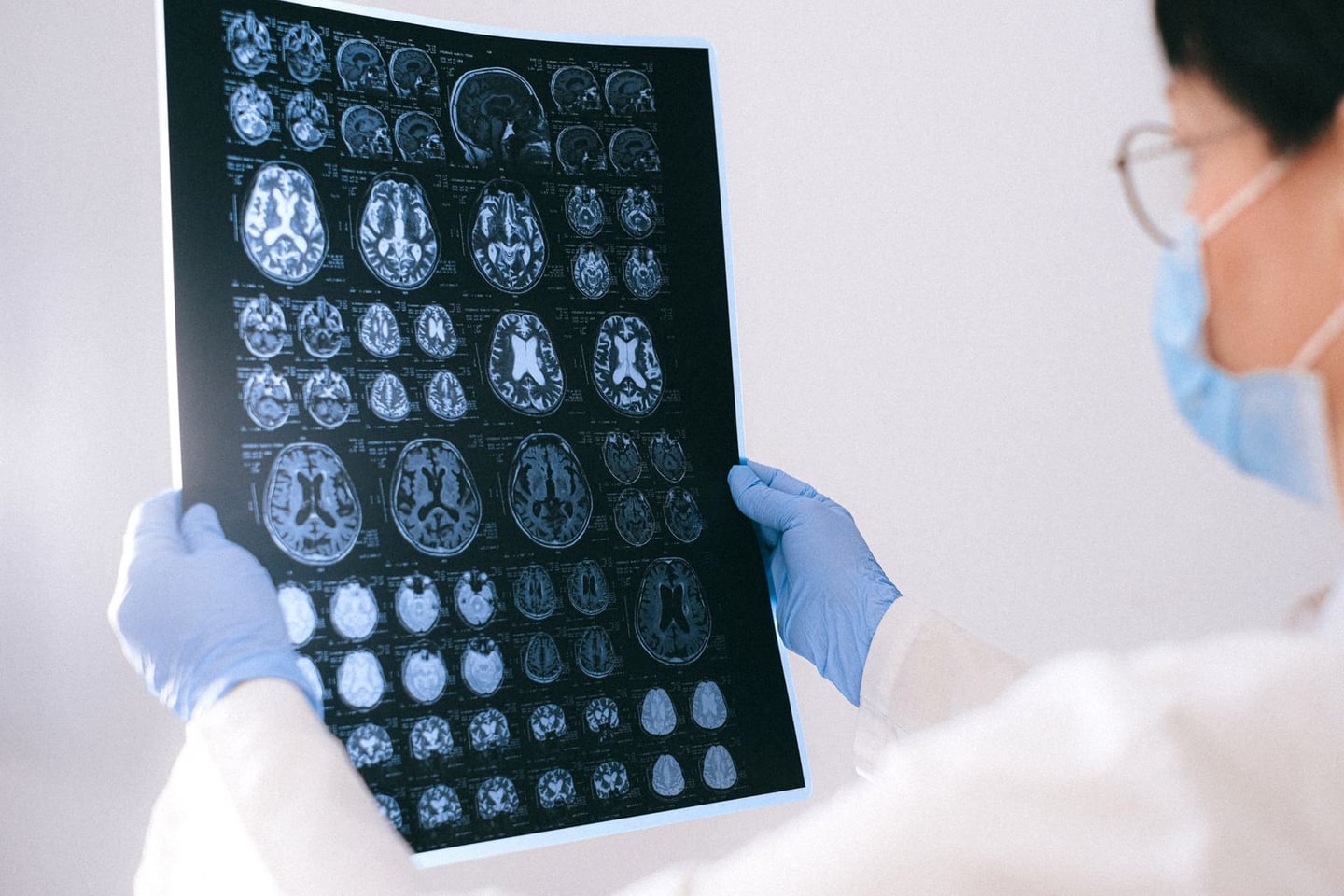
Experimental studies examine cellular responses, oxidative processes, and survival-related measurements. A short sequence can have measurable effects in a model without having a fully defined clinical mechanism. The term bioregulator is descriptive and should not be treated as proof of selective action in one organ.

Benefits & what the research shows
Published in vitro work has examined Pinealon alongside other short peptides and reported changes in model systems. Such experiments can generate hypotheses. They are not randomized clinical trials establishing improved cognition, functional independence, or prevention of neurological disease in people.
Check the species, population, formulation, comparator, and endpoint before applying a result to a different situation
How to read a peptide study ↗What this evidence cannot tell us
Laboratory measures such as lipid peroxidation or cell survival answer narrower questions than the clinical outcomes readers may care about. The cell type, exposure, duration, and comparator influence the result. Claims should stay within those boundaries and acknowledge the need for independent replication and relevant human testing.
Dosage & administration
There is no established FDA-approved personal-use regimen for the advertised goals. This profile does not recommend injection cycles or combinations with other bioregulatory peptides. New cognitive symptoms require evaluation for established neurological, medical, and medication-related causes.

Side effects & safety
Human benefit and long-term safety are uncertain for proposed wellness use. Unapproved products may also differ in identity, salt form, impurities, and concentration. Absence of prominent adverse-event reports does not establish safety when exposure and follow-up are poorly documented.
Pinealon vs related compounds
Compare the research questions and mechanisms. These summaries do not establish equivalent benefits or interchangeable products
| Compound | Research context |
|---|---|
| Pinealon | Experimental studies examine cellular responses, oxidative processes, and survival-related measurements. |
| Cerebrolysin | Proposed actions involve neurotrophic and injury-response pathways. |
| Dihexa | Preclinical work investigates interactions with hepatocyte growth factor and the c-Met signaling system. |
Sourcing & quality
Pinealon is not an FDA-approved memory, neuroprotection, or anti-aging treatment. Scientific publication and a commercial catalog entry are not equivalent to product approval.
Regulatory details can change. Verify the current, product-specific record before making a clinical or purchasing decision
Understand FDA approval and research useInside the research
Photographs of clinical and laboratory settings, alongside the questions researchers investigate
 Pinealon
The research setting
Experimental studies examine cellular responses, oxidative processes, and survival-related measurements.
 Pinealon
How the research is investigated
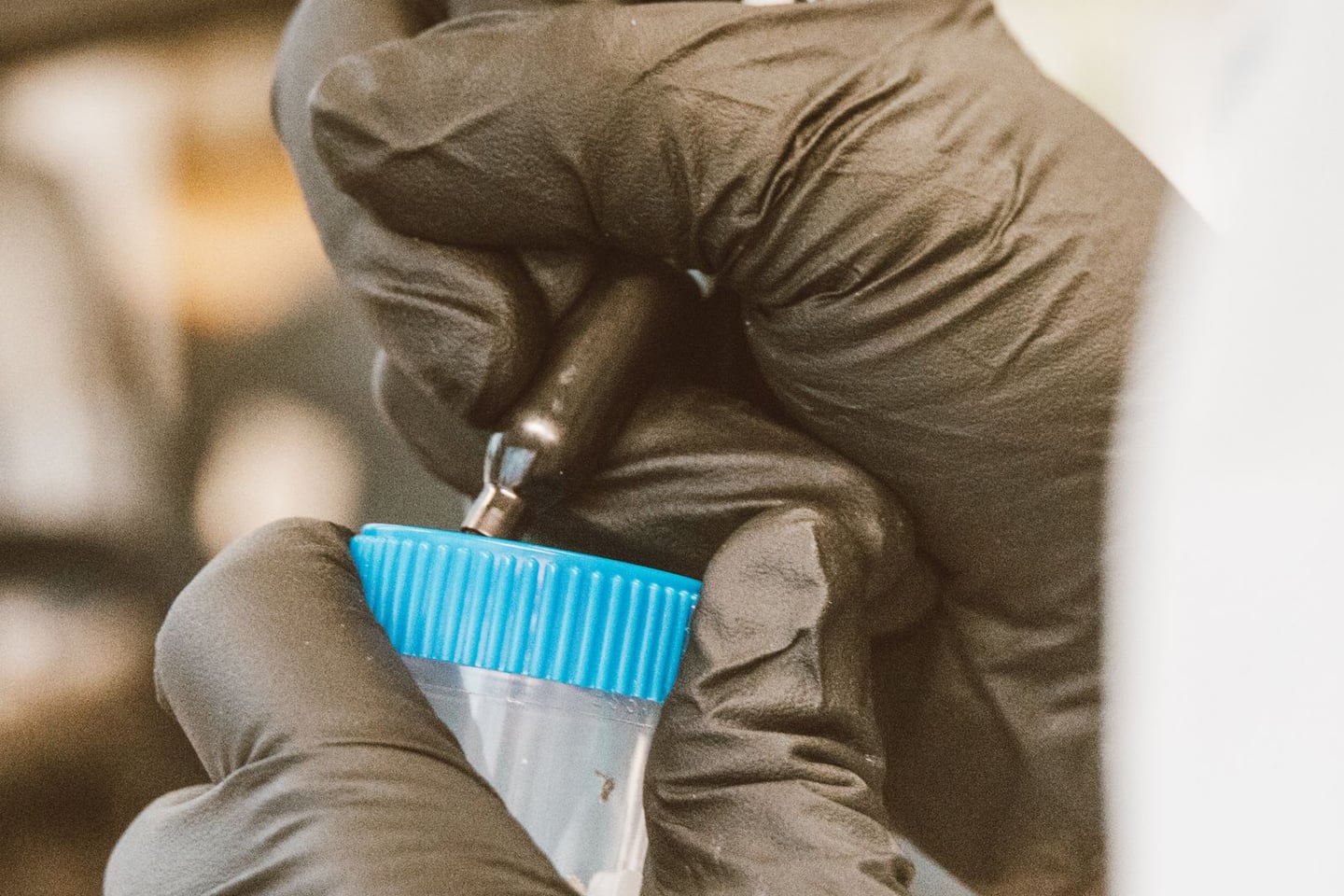
Published in vitro work has examined Pinealon alongside other short peptides and reported changes in model systems.
Frequently asked questions
Does the term bioregulator establish clinical precision?
No. It is a description to examine. A proposed regulatory effect still needs defined mechanism, product identity, relevant outcomes, and human evidence.
What is the United States regulatory context for Pinealon?
Pinealon is not an FDA-approved memory, neuroprotection, or anti-aging treatment. Scientific publication and a commercial catalog entry are not equivalent to product approval.
Sources & further reading
Official records and research discovery links. A database search is a starting point for finding studies, not a citation to a specific clinical result
Nora Bennett
Fictional editorial character used for this site demonstration. No medical credentials or independent clinical review are claimed
Read the full profile and disclosure ↗