 By Nora BennettFictional contributor · Read disclosure
Updated
Who researches Dihexa?
This profile is for readers exploring neuroscience biology and the evidence behind this compound. Topic associations help locate research; they do not establish that a substance is suitable for personal use
Start with the beginner’s guide if the terminology is new, then read the limitations alongside the findings
What is Dihexa?
Dihexa is commonly associated with striking descriptions of synapse-related activity. The useful question is what the underlying assay or model actually measured. Laboratory potency cannot be converted into a multiple of human intelligence, and growth-related signaling is not limited to the brain. This guide explains the HGF/c-Met research context while preserving the gap between an experimental mechanism and an established therapy. It also emphasizes the lack of a validated consumer regimen and the need to assess long-term consequences before interpreting a preclinical finding as cognitive enhancement.
Also searched as Angiotensin IV-derived peptidomimetic
How it works
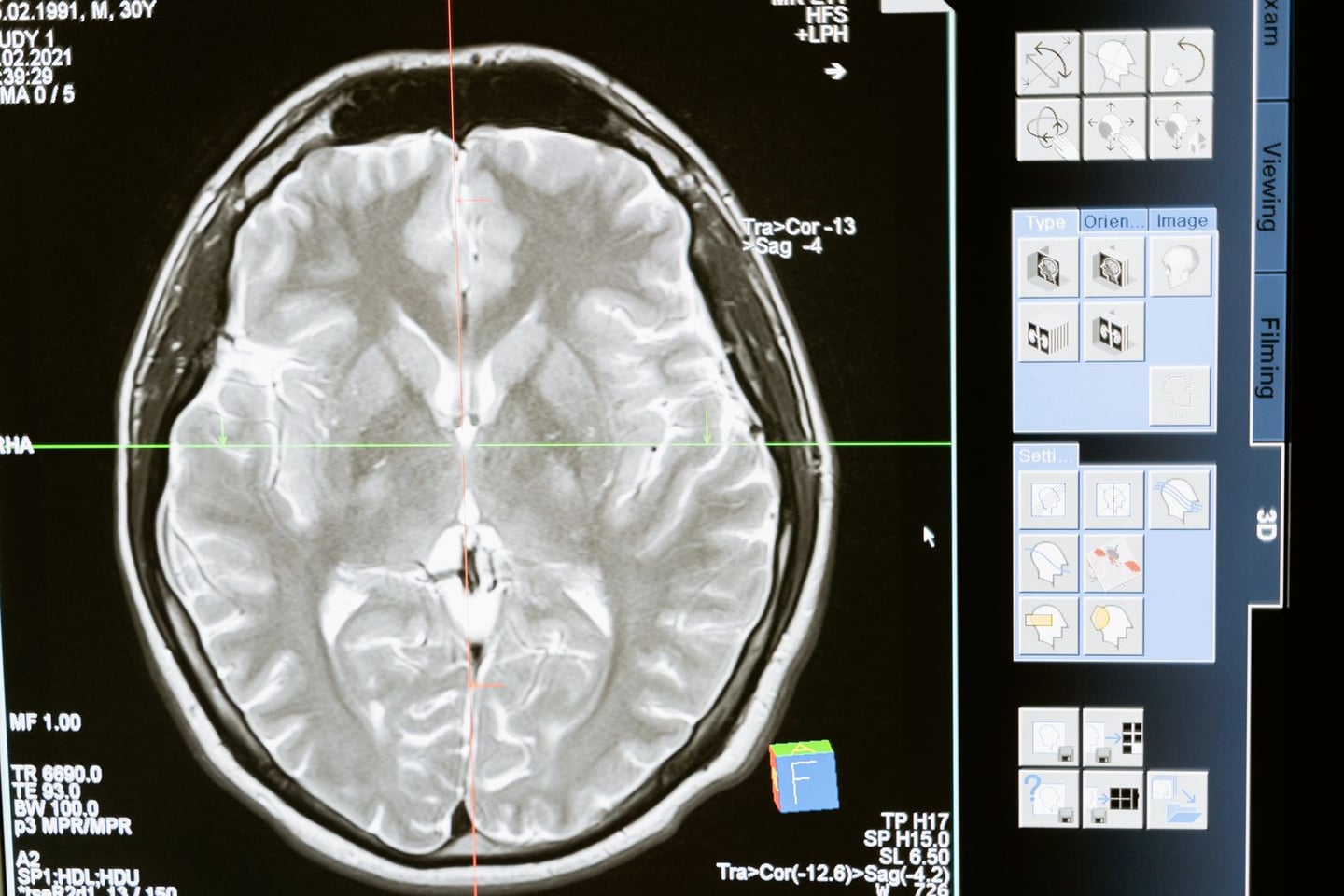
Preclinical work investigates interactions with hepatocyte growth factor and the c-Met signaling system. These pathways have roles beyond synapse-related biology. A mechanism involving cell-growth signals should be described carefully rather than presented as a simple brain-only enhancement switch.

Benefits & what the research shows
A primary experimental report examined HGF-related signaling and synaptogenic effects in model systems. This supports a research hypothesis, not an established treatment for dementia or healthy-user enhancement. The exact model and endpoint need to remain visible when discussing the findings.
Check the species, population, formulation, comparator, and endpoint before applying a result to a different situation
How to read a peptide study ↗What this evidence cannot tell us
Cellular or animal measurements cannot establish an effective human dose or long-term outcome. Comparisons with BDNF or another factor may involve a specific assay and should not be converted into a claim that a user will become proportionally smarter. Clinical benefit requires appropriately controlled human research.
Dosage & administration
No established FDA-approved self-administration schedule exists. This page does not recommend oral or injectable personal use. Cognitive concerns should be evaluated clinically rather than treated on the basis of a dramatic molecular-potency comparison.

Side effects & safety
The consequences of prolonged exposure to growth-related pathways require investigation. FDA has identified a lack of human exposure information for Dihexa acetate in its bulk-substance safety materials. Product identity, chemical stability, and impurities add uncertainty for research products sold to consumers.
Dihexa vs related compounds
Compare the research questions and mechanisms. These summaries do not establish equivalent benefits or interchangeable products
| Compound | Research context |
|---|---|
| Dihexa | Preclinical work investigates interactions with hepatocyte growth factor and the c-Met signaling system. |
| Cerebrolysin | Proposed actions involve neurotrophic and injury-response pathways. |
| DSIP | Research explores effects on sleep-related physiology and stress responses, but a settled clinically useful mechanism is not established. |
Sourcing & quality
Dihexa is not an FDA-approved cognitive-enhancement or dementia treatment. Its availability from a research supplier does not establish safety or authorize a medical claim.
Regulatory details can change. Verify the current, product-specific record before making a clinical or purchasing decision
Understand FDA approval and research useInside the research
Photographs of clinical and laboratory settings, alongside the questions researchers investigate
 Dihexa
The research setting
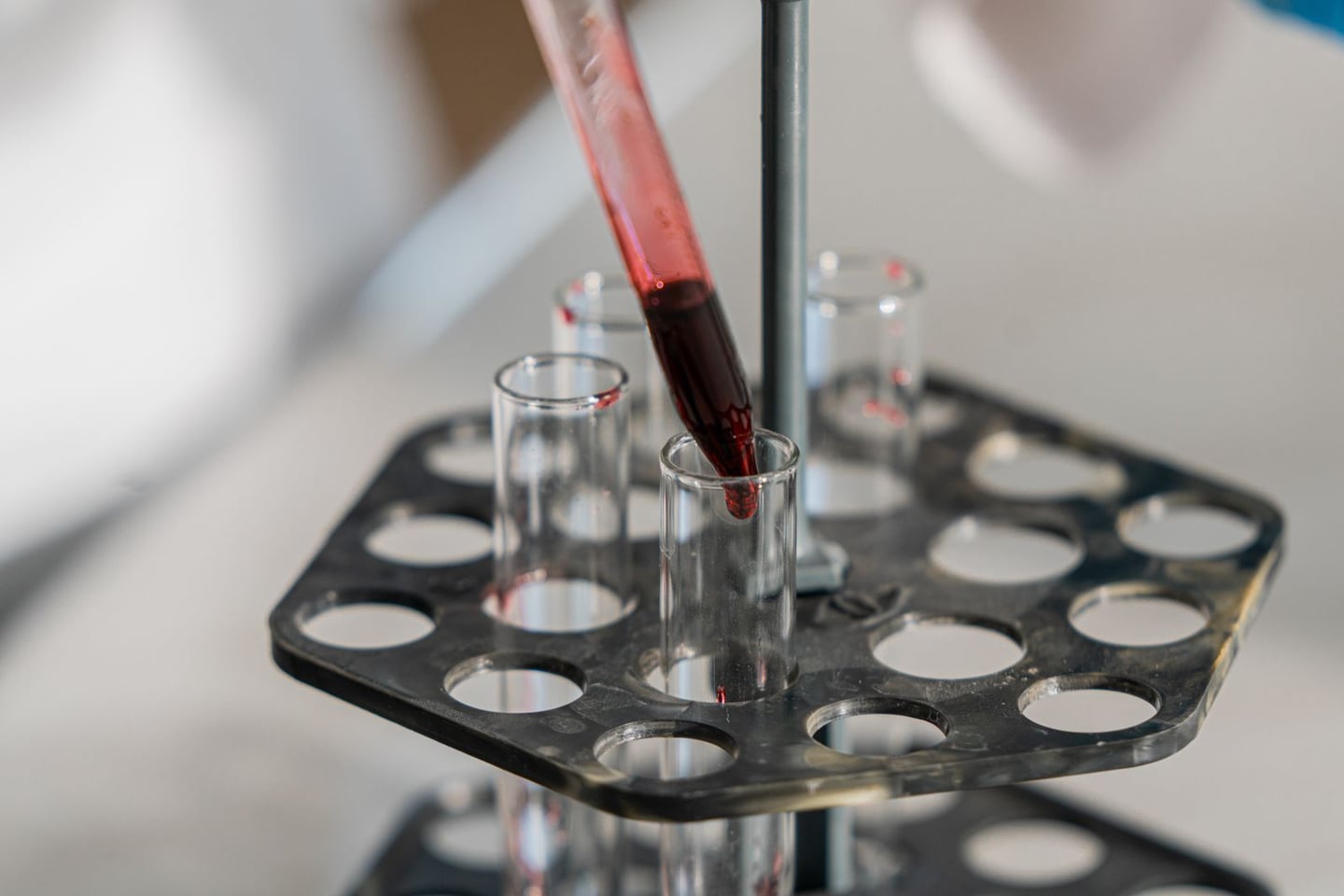
Preclinical work investigates interactions with hepatocyte growth factor and the c-Met signaling system.
 Dihexa
How the research is investigated
A primary experimental report examined HGF-related signaling and synaptogenic effects in model systems.
Frequently asked questions
Do laboratory potency comparisons predict intelligence gains?
No. Potency in an assay is not a multiple of human cognitive improvement. Clinical benefit and long-term risk require direct study.
What is the United States regulatory context for Dihexa?
Dihexa is not an FDA-approved cognitive-enhancement or dementia treatment. Its availability from a research supplier does not establish safety or authorize a medical claim.
Sources & further reading
Official records and research discovery links. A database search is a starting point for finding studies, not a citation to a specific clinical result
Nora Bennett
Fictional editorial character used for this site demonstration. No medical credentials or independent clinical review are claimed
Read the full profile and disclosure ↗