 By Nora BennettFictional contributor · Read disclosure
Updated
Who researches Humanin?
This profile is for readers exploring neuroscience biology and the evidence behind this compound. Topic associations help locate research; they do not establish that a substance is suitable for personal use
Start with the beginner’s guide if the terminology is new, then read the limitations alongside the findings
What is Humanin?
Humanin began as a clue in research on neuronal-cell survival and developed into a wider area of mitochondrial signaling investigation. That path is scientifically valuable, but it contains several steps between a protective laboratory effect and a useful human medicine. This guide identifies those steps and keeps native peptide findings distinct from analog experiments. It also separates endogenous-level observations from supplementation claims, helping readers evaluate whether a source describes a mechanism, an association, or a treatment outcome before interpreting it as evidence for neuroprotection or longevity.
Also searched as HN, Mitochondrial-derived humanin
How it works
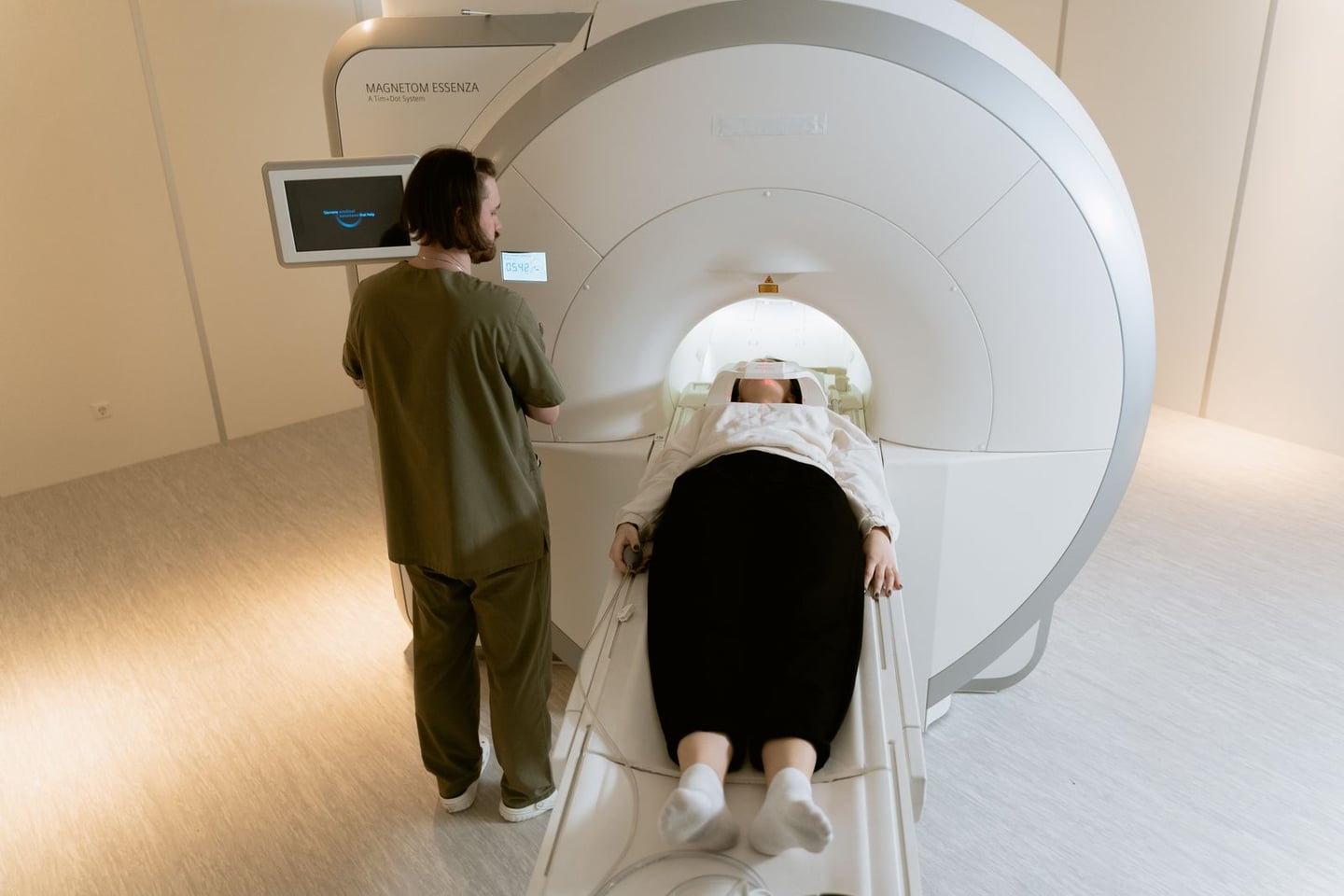
Experimental studies examine interactions with survival and stress-related signaling systems. Humanin and modified analogs may differ in potency and behavior, so an analog result should not be attributed automatically to native humanin. The presence of a naturally produced peptide does not establish that adding more is beneficial.
Benefits & what the research shows
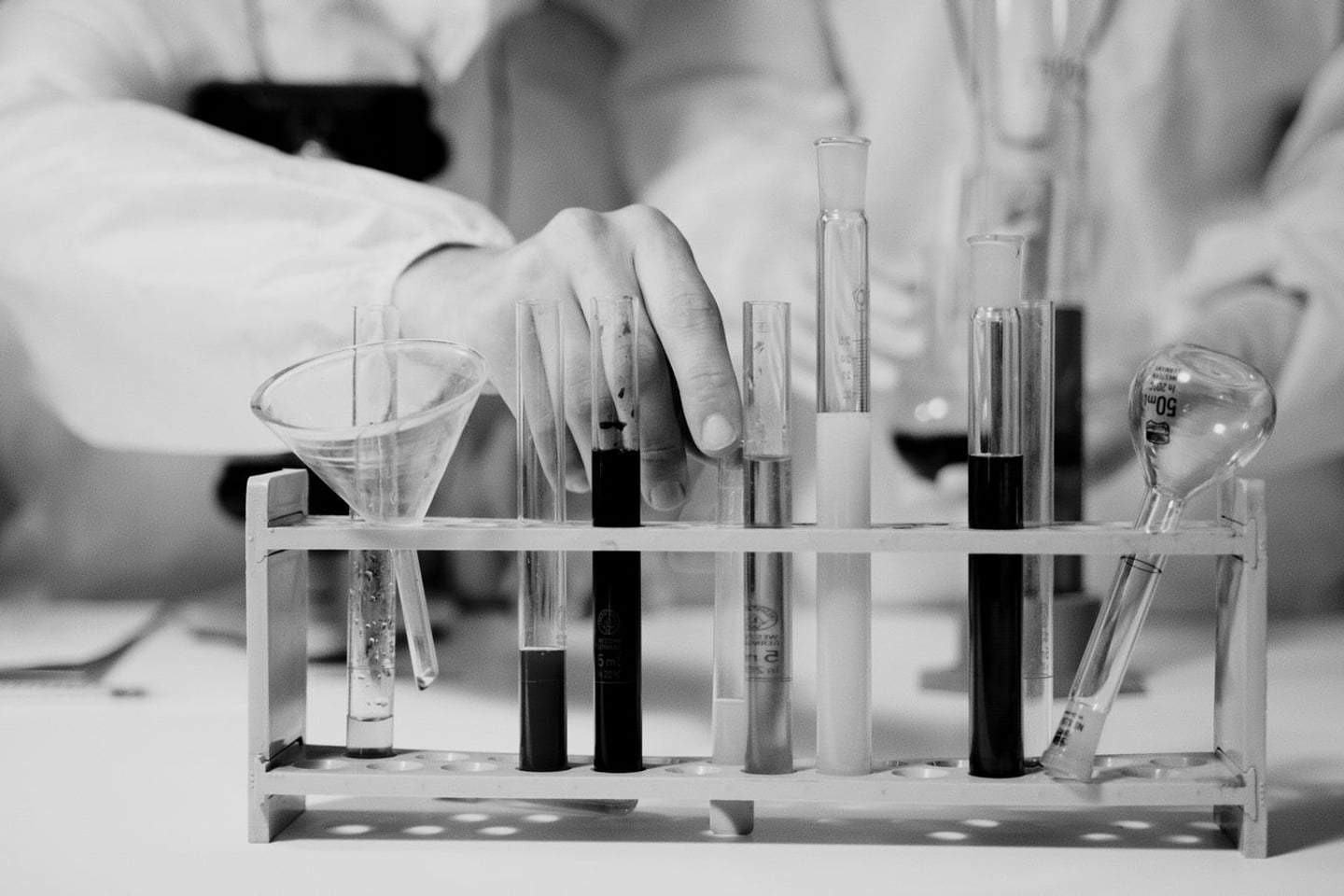
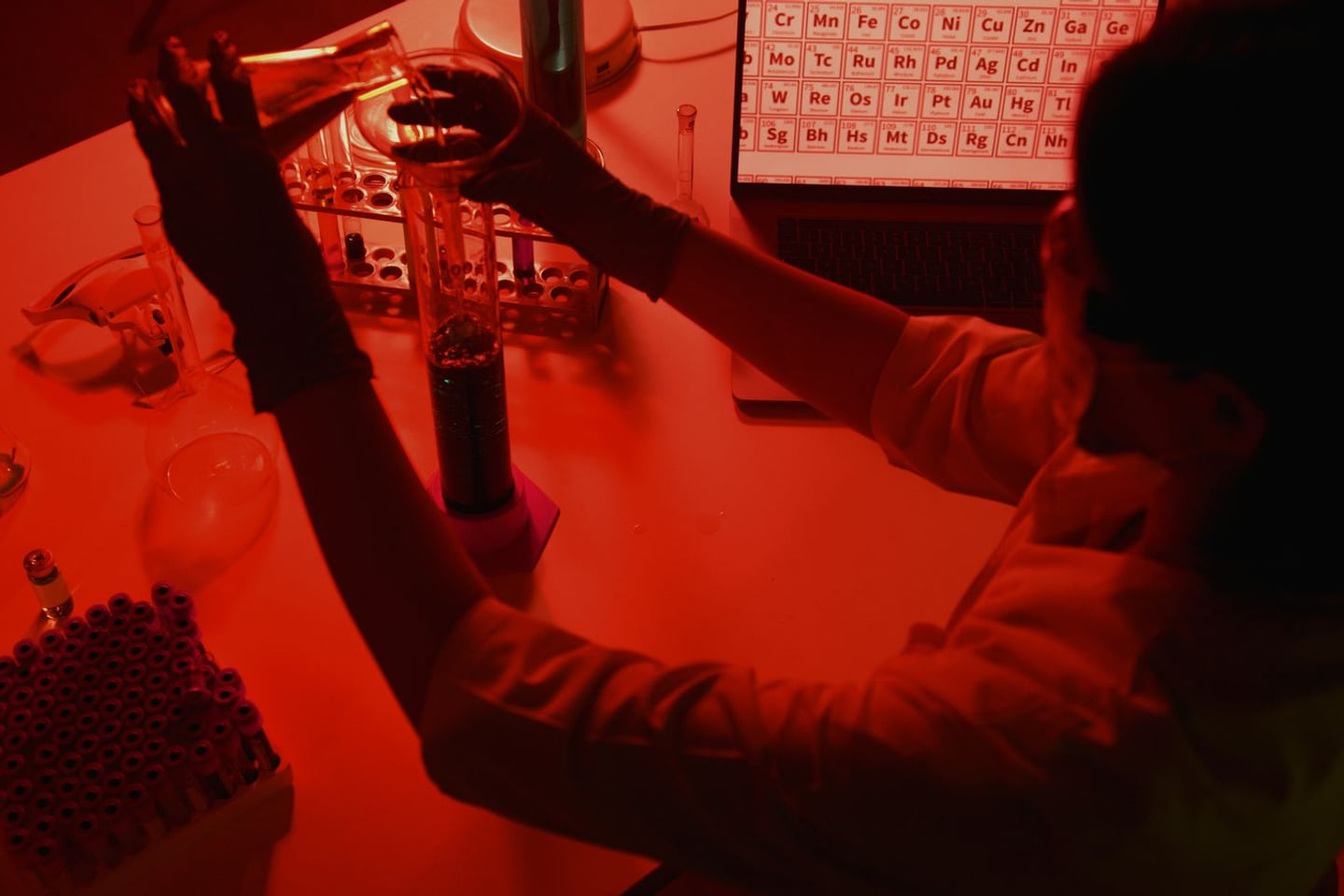
The original discovery work used neuronal-cell models involving selected Alzheimer-related insults. Such models can identify a potentially interesting protective pathway. They do not demonstrate prevention or treatment of Alzheimer’s disease in people, and they cannot establish an effective or safe long-term supplementation strategy.
Check the species, population, formulation, comparator, and endpoint before applying a result to a different situation
How to read a peptide study ↗What this evidence cannot tell us
Cell survival under one laboratory stress is not equivalent to improved cognition or preserved independence in a clinical population. Observational studies of endogenous levels also cannot by themselves determine whether an intervention would help. Appropriate controlled human studies would be needed to test those claims.
Dosage & administration
No established FDA-approved self-administration regimen exists for the proposed uses. This page does not recommend replacing cognitive assessment or neurological care with an experimental peptide. New memory symptoms warrant medical evaluation because some causes are treatable.
Side effects & safety
Long-term effects of administered humanin or its analogs remain uncertain for wellness uses. Growth, survival, and stress pathways may have different consequences in different tissues and diseases. Product identity, stability, impurities, and sterility are additional questions for unapproved preparations.
Humanin vs related compounds
Compare the research questions and mechanisms. These summaries do not establish equivalent benefits or interchangeable products
| Compound | Research context |
|---|---|
| Humanin | Experimental studies examine interactions with survival and stress-related signaling systems. |
| Cerebrolysin | Proposed actions involve neurotrophic and injury-response pathways. |
| Dihexa | Preclinical work investigates interactions with hepatocyte growth factor and the c-Met signaling system. |
Sourcing & quality
Humanin is not an FDA-approved dementia-prevention, neuroprotection, or longevity medicine. A research publication about a protective signal does not authorize marketing an injectable treatment.
Regulatory details can change. Verify the current, product-specific record before making a clinical or purchasing decision
Understand FDA approval and research useInside the research
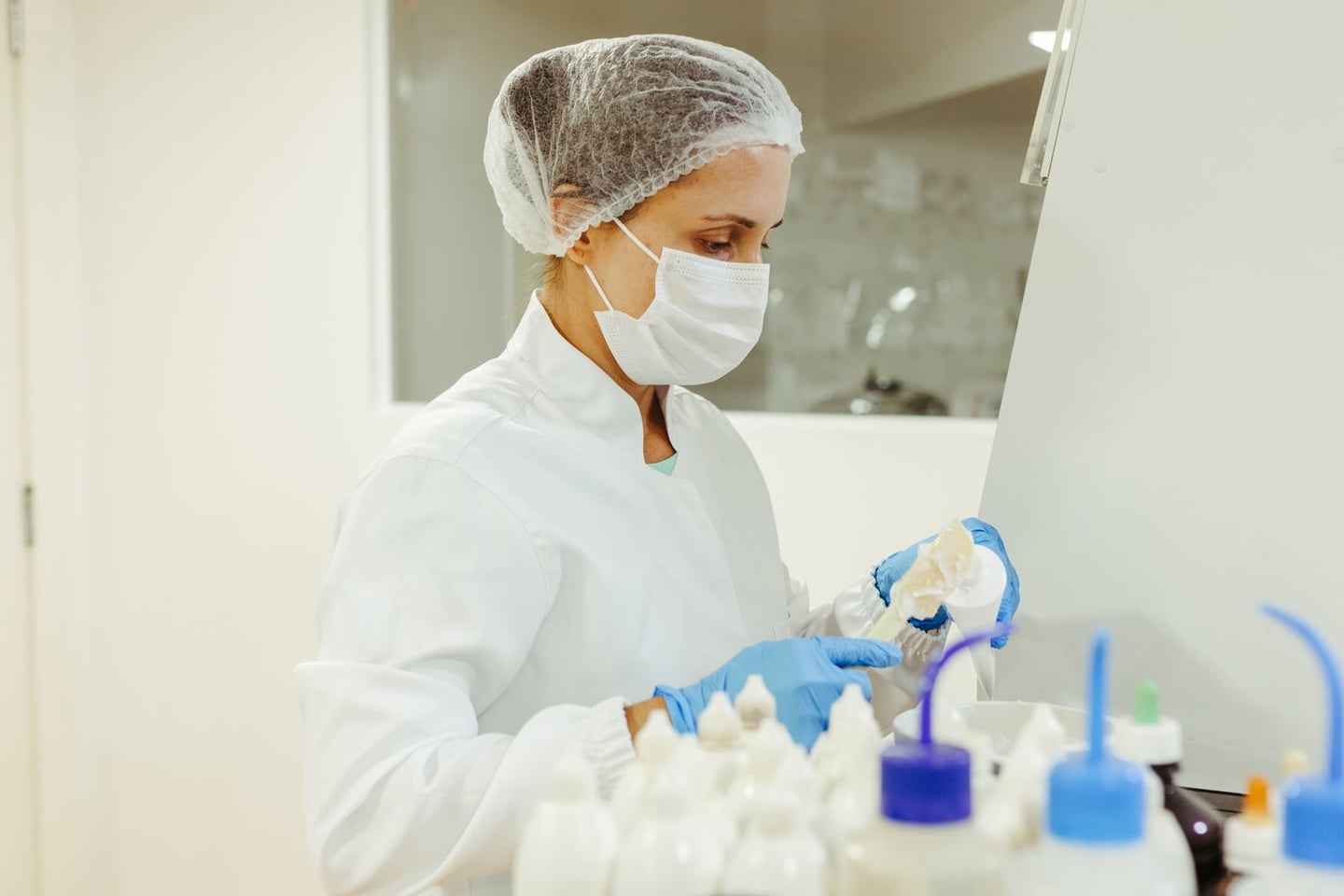
Photographs of clinical and laboratory settings, alongside the questions researchers investigate
 Humanin
The research setting
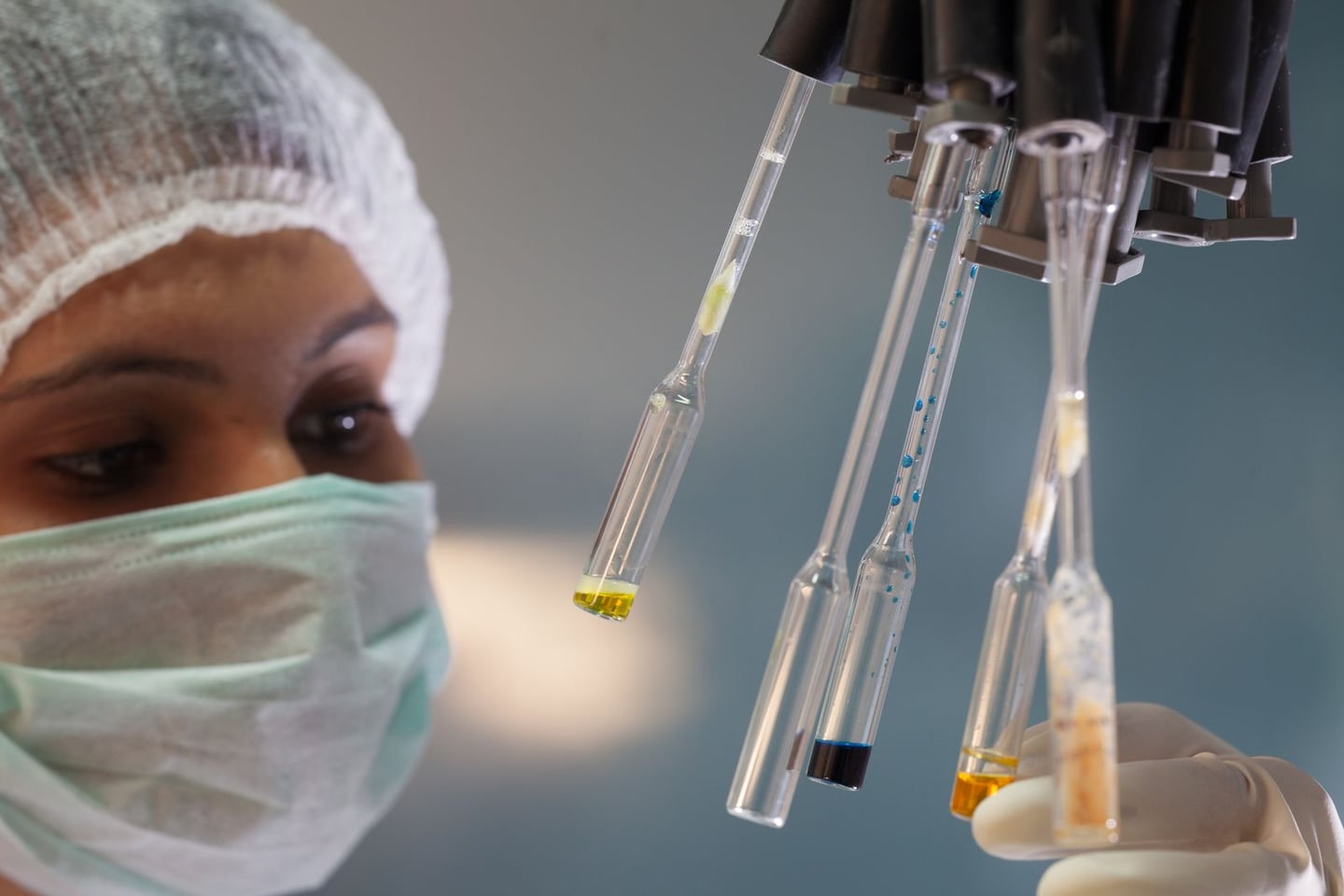
Experimental studies examine interactions with survival and stress-related signaling systems.
 Humanin
How the research is investigated
The original discovery work used neuronal-cell models involving selected Alzheimer-related insults.
Frequently asked questions
Does neuronal-cell protection establish dementia prevention?
No. A laboratory model can identify a hypothesis, but preventing dementia in people requires relevant controlled human evidence and long-term safety evaluation.
What is the United States regulatory context for Humanin?
Humanin is not an FDA-approved dementia-prevention, neuroprotection, or longevity medicine. A research publication about a protective signal does not authorize marketing an injectable treatment.
Sources & further reading
Official records and research discovery links. A database search is a starting point for finding studies, not a citation to a specific clinical result
Nora Bennett
Fictional editorial character used for this site demonstration. No medical credentials or independent clinical review are claimed
Read the full profile and disclosure ↗