 By Nora BennettFictional contributor · Read disclosure
Updated
Who researches Cerebrolysin?
This profile is for readers exploring neuroscience biology and the evidence behind this compound. Topic associations help locate research; they do not establish that a substance is suitable for personal use
Start with the beginner’s guide if the terminology is new, then read the limitations alongside the findings
What is Cerebrolysin?
Cerebrolysin requires a different approach from a guide to one defined peptide. The preparation is a biologically derived mixture, and studies evaluate that specific product in particular clinical settings. This profile therefore focuses on study context, manufacturing identity, and outcome selection. It separates stroke motor recovery from dementia or other neurological claims and recognizes the role of rehabilitation and timing. Readers can use those distinctions to understand why an individual trial, foreign availability, or a collection of personal reports cannot establish a general United States treatment recommendation.
Also searched as Porcine brain-derived peptide preparation
How it works
Proposed actions involve neurotrophic and injury-response pathways. Because the preparation is a mixture, assigning one receptor or molecular mechanism to the entire product can oversimplify the evidence. Manufacturing and formulation are especially important when interpreting studies of biologically derived mixtures.
Benefits & what the research shows
Clinical investigations include randomized stroke-recovery studies such as CARS, which evaluated a defined treatment and rehabilitation context. An individual trial result should be interpreted alongside the broader body of research, study quality, endpoints, and safety data. Stroke, traumatic brain injury, and dementia are different clinical questions.
Check the species, population, formulation, comparator, and endpoint before applying a result to a different situation
How to read a peptide study ↗What this evidence cannot tell us
Rehabilitation intensity, time from injury, severity, and outcome measures can influence apparent recovery. A study evaluating motor function does not automatically establish cognitive benefit or reduced mortality. Consumer anecdotes and protocols cannot resolve these differences or reproduce the conditions of a controlled trial.
Dosage & administration
No United States FDA-approved self-treatment dosing schedule is supplied. Acute stroke symptoms require emergency care, and rehabilitation decisions belong with the clinical team. This page does not advise replacing established neurological treatment with an imported preparation.
Side effects & safety
Potential harms, product quality, infusion or injection procedures, and the patient’s neurological condition require assessment. Importing a product or using a familiar brand name does not guarantee authenticity or appropriate handling. Evidence from the studied preparation should not be generalized to an arbitrary peptide mixture.
Cerebrolysin vs related compounds
Compare the research questions and mechanisms. These summaries do not establish equivalent benefits or interchangeable products
| Compound | Research context |
|---|---|
| Cerebrolysin | Proposed actions involve neurotrophic and injury-response pathways. |
| Dihexa | Preclinical work investigates interactions with hepatocyte growth factor and the c-Met signaling system. |
| DSIP | Research explores effects on sleep-related physiology and stress responses, but a settled clinically useful mechanism is not established. |
Sourcing & quality
Cerebrolysin should not be represented as an FDA-approved United States stroke or dementia treatment. Regulatory authorization in another country is a separate matter and should be verified locally.
Regulatory details can change. Verify the current, product-specific record before making a clinical or purchasing decision
Understand FDA approval and research useInside the research
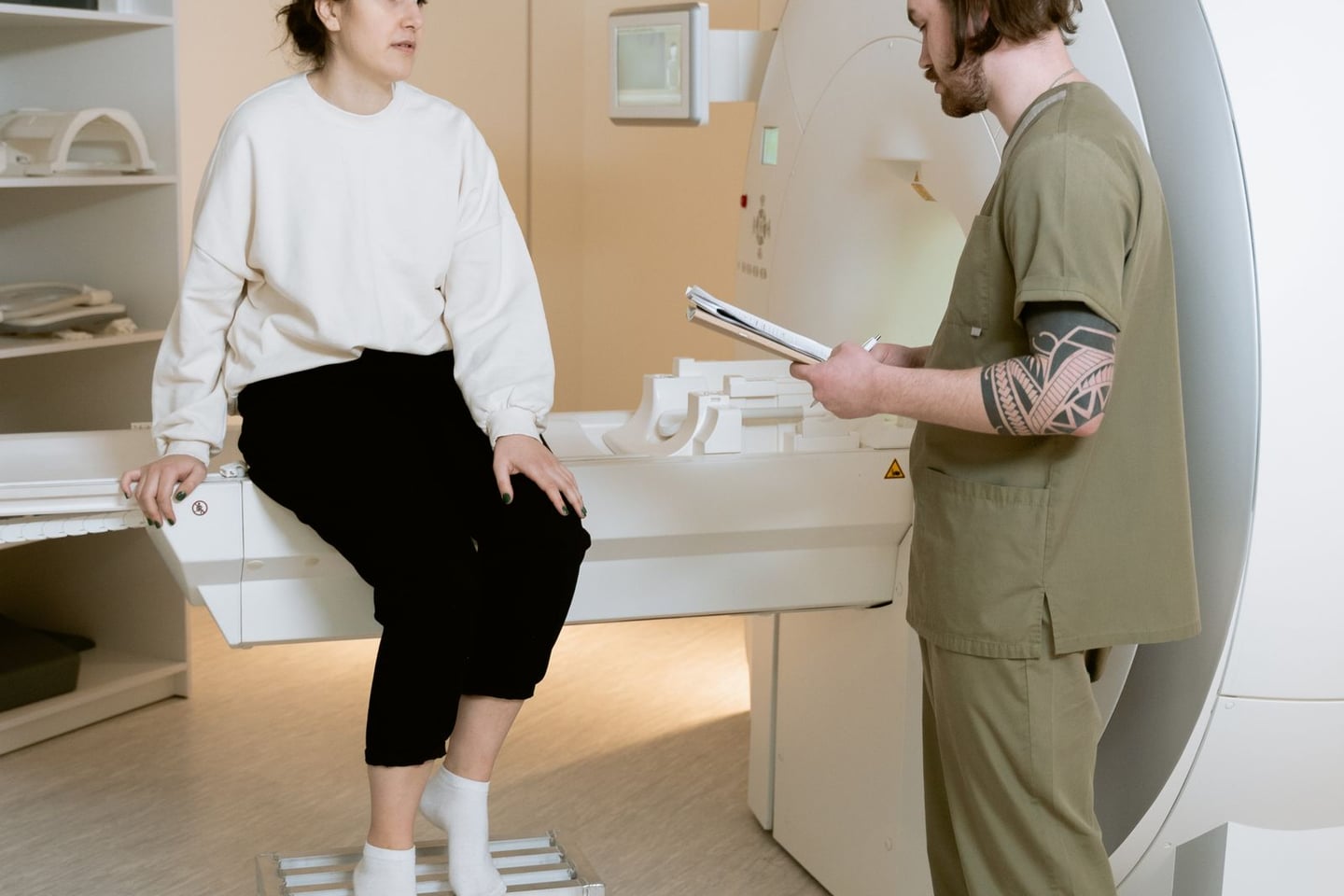
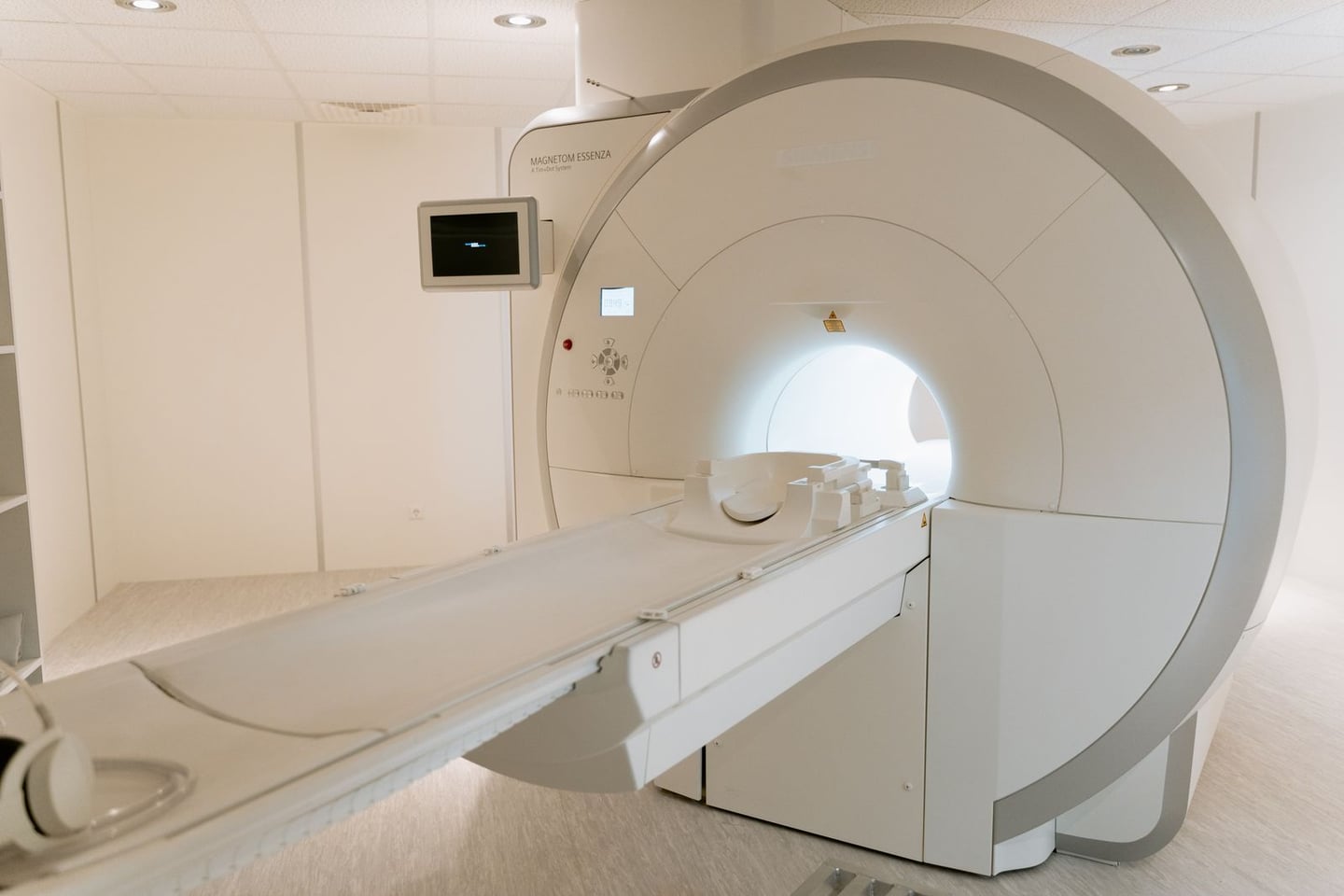
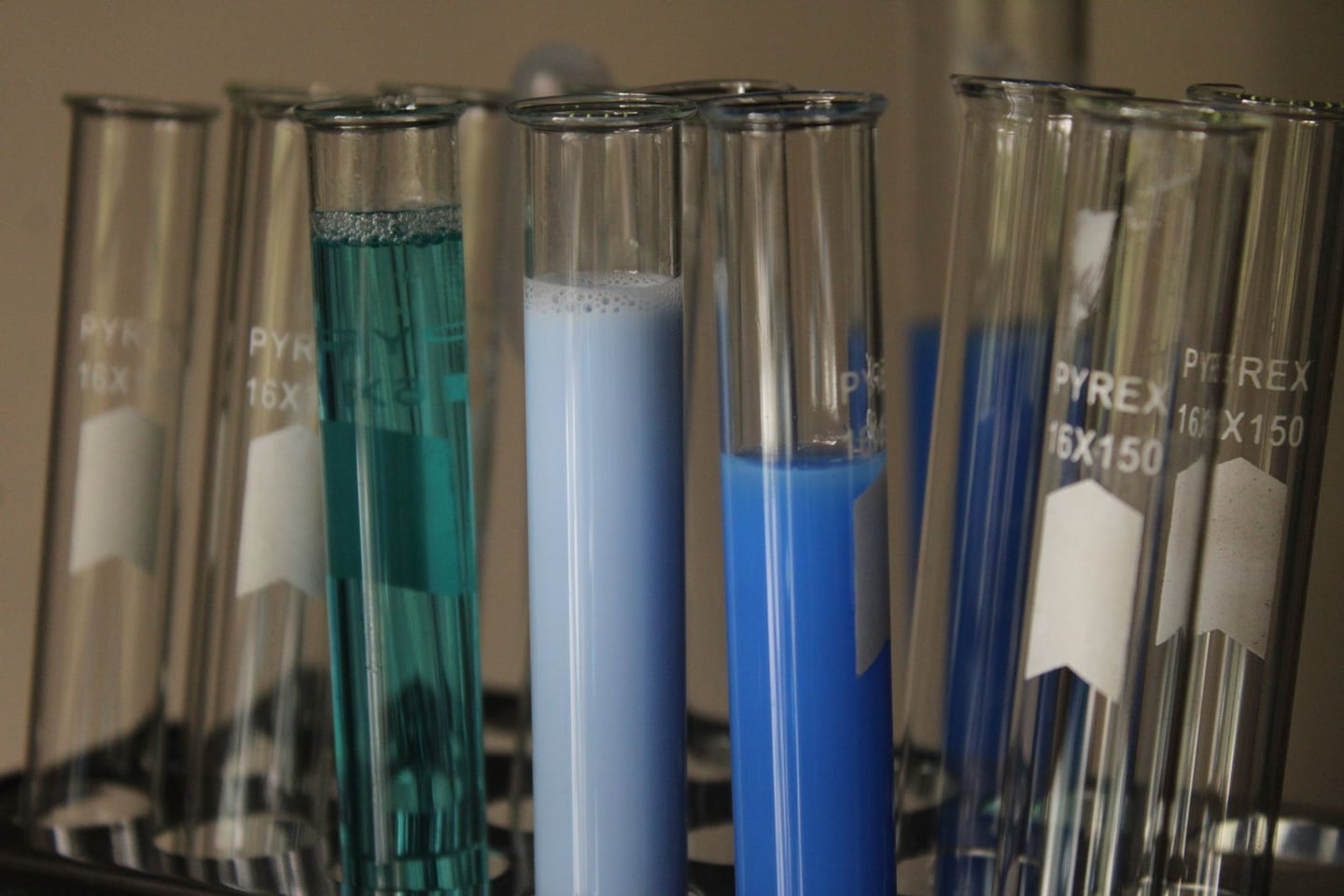
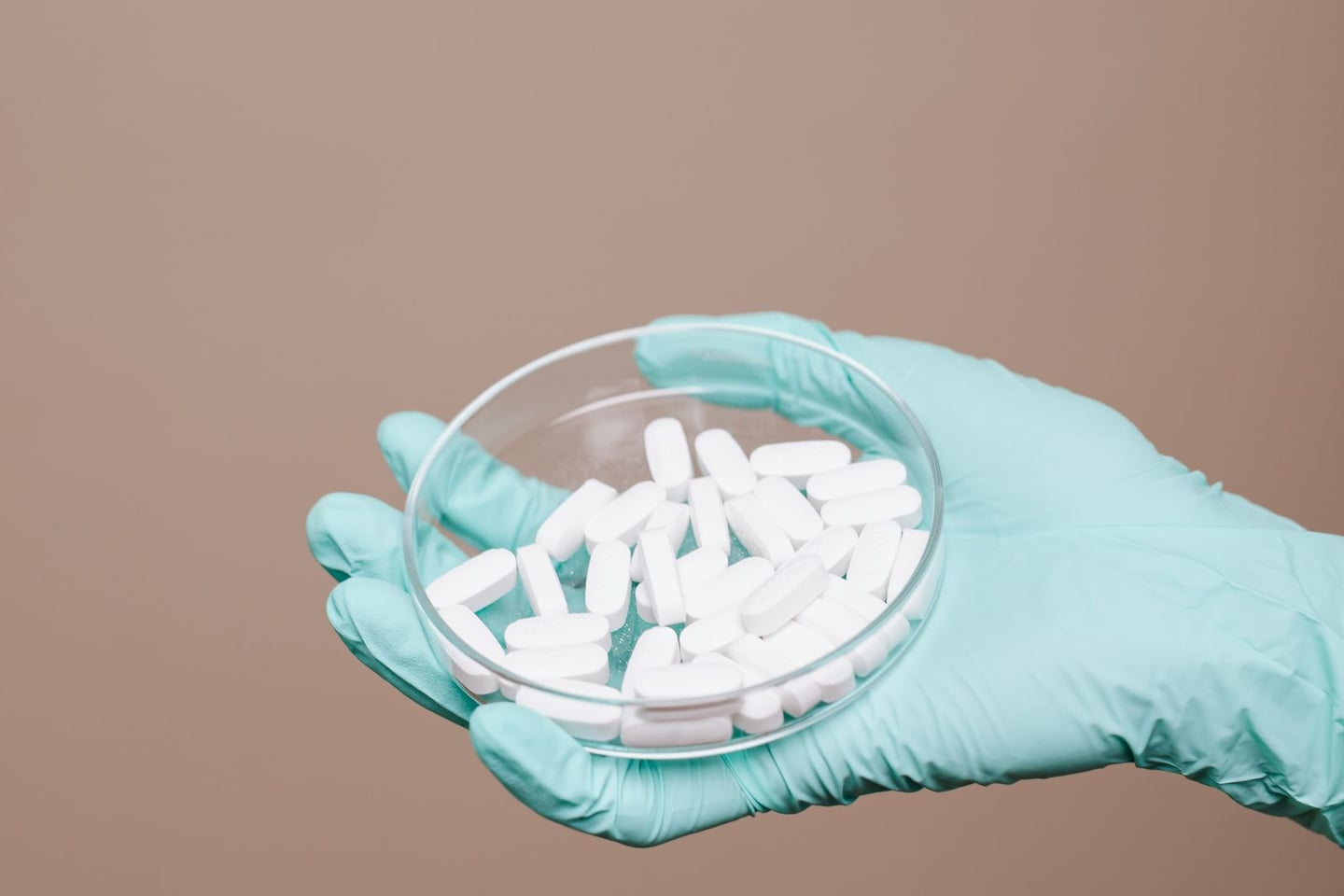
Photographs of clinical and laboratory settings, alongside the questions researchers investigate
 Cerebrolysin
The research setting
Proposed actions involve neurotrophic and injury-response pathways.
 Cerebrolysin
How the research is investigated
Clinical investigations include randomized stroke-recovery studies such as CARS, which evaluated a defined treatment and rehabilitation context.
Frequently asked questions
Is Cerebrolysin one defined synthetic peptide?
No. It is a biologically derived mixture. Studies should be attributed to the specific preparation, population, rehabilitation setting, and outcome tested.
What is the United States regulatory context for Cerebrolysin?
Cerebrolysin should not be represented as an FDA-approved United States stroke or dementia treatment. Regulatory authorization in another country is a separate matter and should be verified locally.
Sources & further reading
Official records and research discovery links. A database search is a starting point for finding studies, not a citation to a specific clinical result
Nora Bennett
Fictional editorial character used for this site demonstration. No medical credentials or independent clinical review are claimed
Read the full profile and disclosure ↗