 By Marcus ReedFictional contributor · Read disclosure
Updated
Who researches GHRP-6?
This profile is for readers exploring growth signaling biology and the evidence behind this compound. Topic associations help locate research; they do not establish that a substance is suitable for personal use
Start with the beginner’s guide if the terminology is new, then read the limitations alongside the findings
What is GHRP-6?
GHRP-6 belongs to a family whose members are often grouped together in online protocols. Shared receptor terminology can hide meaningful differences in selectivity, exposure, and endocrine responses. This profile treats it as its own research compound and explains why findings from another secretagogue cannot simply be substituted. It also distinguishes the clinical goals readers may have from the narrower measurements used in physiology experiments. Appetite, fluid balance, hormone output, and physical performance are connected questions, but they require different evidence before a benefit can be claimed.
Also searched as Growth hormone-releasing peptide-6

How it works
GHRP-6 acts through the growth hormone secretagogue receptor, which is distinct from the receptor used by GHRH analogs. The broader ghrelin system is involved in appetite and gastrointestinal physiology as well as endocrine signaling. A simplified GH pathway diagram leaves out those additional effects.

Benefits & what the research shows
Physiology research investigates GH secretion and receptor-mediated responses. Clinical claims about increased strength, better sleep, or improved injury outcomes need direct studies in the intended users. A pharmacologic response measured over hours cannot establish durable benefit from repeated use over months.
Check the species, population, formulation, comparator, and endpoint before applying a result to a different situation
How to read a peptide study ↗What this evidence cannot tell us
GHRP-6, GHRP-2, hexarelin, and ipamorelin are related research tools, but they are not interchangeable. Receptor effects, selectivity, exposure, and responses can differ. Evidence from one member should not be assigned to another simply because all are described as secretagogues.
Dosage & administration
This profile provides no personal dosing, cycling, or stacking schedule. Experimental regimens are not a substitute for endocrine assessment. A clinician should evaluate symptoms rather than treating a perceived need for higher GH as a diagnosis.
Side effects & safety
Potential concerns include appetite changes, glucose effects, fluid balance, and broader endocrine responses. Long-term safety for healthy users is not established. Online product quality and inaccurate labeling create additional uncertainties that are separate from the compound’s biological activity.

GHRP-6 vs related compounds
Compare the research questions and mechanisms. These summaries do not establish equivalent benefits or interchangeable products
| Compound | Research context |
|---|---|
| GHRP-6 | GHRP-6 acts through the growth hormone secretagogue receptor, which is distinct from the receptor used by GHRH analogs. |
| CJC-1295 | The long-acting version uses an albumin-binding modification to extend exposure. |
| Follistatin | By binding selected members of the TGF-beta signaling family, follistatin can influence signaling availability. |
Sourcing & quality
GHRP-6 is not an FDA-approved general bodybuilding, recovery, or anti-aging treatment. A research-use listing does not establish a lawful clinical indication or a reviewed product.
Regulatory details can change. Verify the current, product-specific record before making a clinical or purchasing decision
Understand FDA approval and research useInside the research
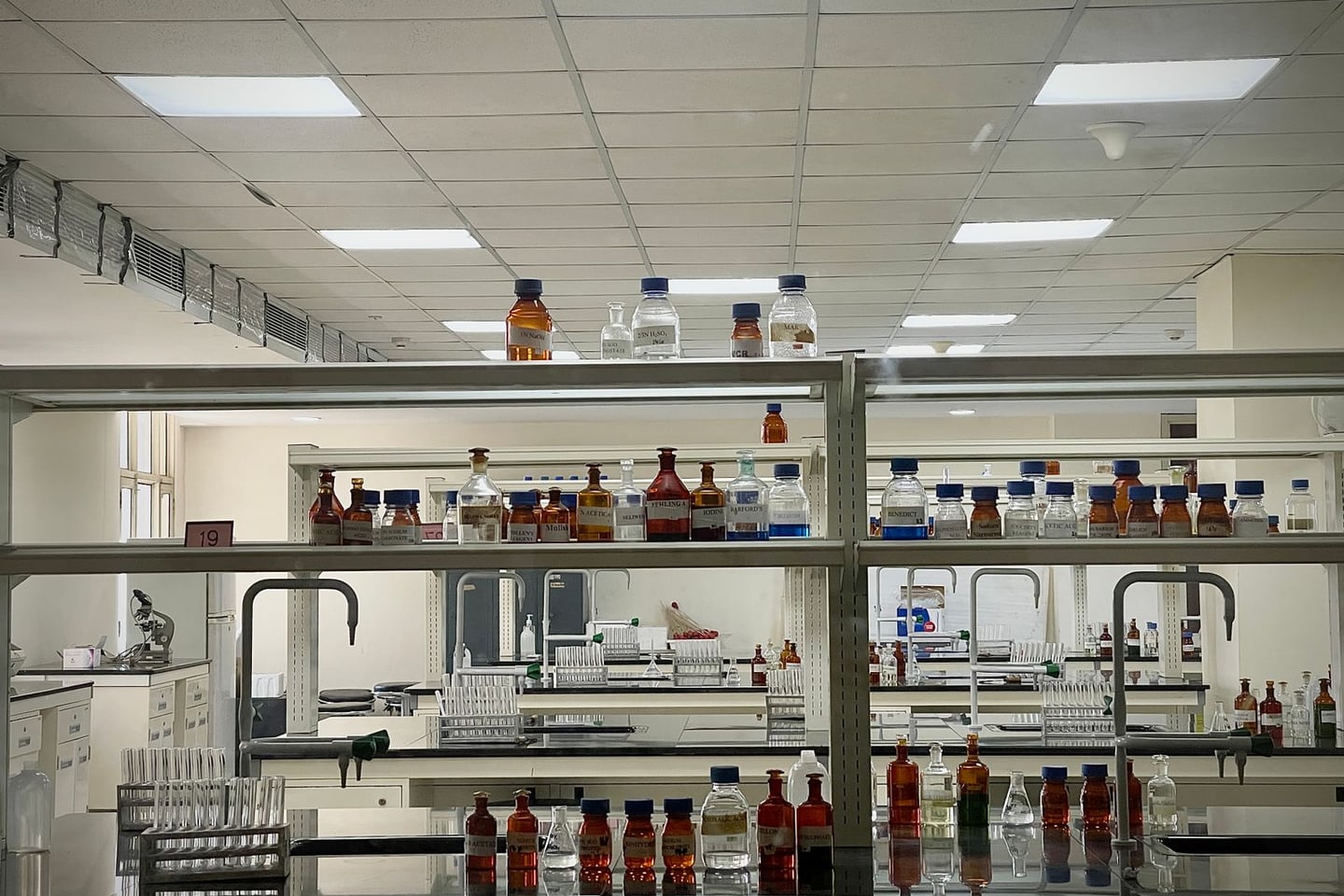
Photographs of clinical and laboratory settings, alongside the questions researchers investigate
 GHRP-6
The research setting
GHRP-6 acts through the growth hormone secretagogue receptor, which is distinct from the receptor used by GHRH analogs.
 GHRP-6
How the research is investigated
Physiology research investigates GH secretion and receptor-mediated responses.
Frequently asked questions
Can evidence for GHRP-2 be applied directly to GHRP-6?
No. Related secretagogues can differ in selectivity, exposure, and response. Each compound and proposed use needs its own relevant evidence.
What is the United States regulatory context for GHRP-6?
GHRP-6 is not an FDA-approved general bodybuilding, recovery, or anti-aging treatment. A research-use listing does not establish a lawful clinical indication or a reviewed product.
Sources & further reading
Official records and research discovery links. A database search is a starting point for finding studies, not a citation to a specific clinical result
Marcus Reed
Fictional editorial character used for this site demonstration. No medical credentials or independent clinical review are claimed
Read the full profile and disclosure ↗