 By Marcus ReedFictional contributor · Read disclosure
Updated
Who researches GHRP-2?
This profile is for readers exploring growth signaling biology and the evidence behind this compound. Topic associations help locate research; they do not establish that a substance is suitable for personal use
Start with the beginner’s guide if the terminology is new, then read the limitations alongside the findings
What is GHRP-2?
GHRP-2 is useful for understanding the difference between acute endocrine activity and the response to repeated exposure. Feedback can alter hormone patterns, and the ghrelin pathway also influences food-related behavior. This guide therefore looks beyond a single GH peak and asks what the study measured over time. It keeps appetite, hormone concentrations, body composition, and useful physical function separate. That framework helps readers recognize why a short volunteer experiment cannot establish a durable bodybuilding or anti-aging treatment, even when the initial laboratory response is clear.
Also searched as Pralmorelin, Growth hormone-releasing peptide-2

How it works
The peptide activates the ghrelin or growth hormone secretagogue receptor. That pathway can influence both pituitary hormone release and food-related behavior. The effect is therefore broader than a single GH measurement, and endocrine feedback can alter responses over repeated exposure.

Benefits & what the research shows
Human studies have examined short-term hormone responses and food intake. One repeated-administration experiment reported attenuation of the GH response without the expected increase in IGF-1 under its study conditions. This illustrates why an acute response should not be assumed to persist unchanged or produce a desired long-term outcome.
Check the species, population, formulation, comparator, and endpoint before applying a result to a different situation
How to read a peptide study ↗What this evidence cannot tell us
Short experiments in small volunteer groups cannot establish years of safety or improved function. Study route, duration, and participant characteristics matter. Claims about muscle gain also need to distinguish appetite-driven calorie changes, fluid effects, body composition, and actual strength.
Dosage & administration
No FDA-approved self-administration schedule for athletic or anti-aging use is provided. This page does not recommend stacking GHRP-2 with other GH-axis compounds. Suspected hormone deficiency requires a clinical diagnosis and discussion of established options.

Side effects & safety
Glucose regulation, appetite, and effects on other endocrine systems deserve attention. Combining secretagogues can introduce exposures not evaluated in the original studies. Unapproved preparations also create uncertainty about identity, concentration, impurities, and sterility.

GHRP-2 vs related compounds
Compare the research questions and mechanisms. These summaries do not establish equivalent benefits or interchangeable products
| Compound | Research context |
|---|---|
| GHRP-2 | The peptide activates the ghrelin or growth hormone secretagogue receptor. |
| CJC-1295 | The long-acting version uses an albumin-binding modification to extend exposure. |
| Follistatin | By binding selected members of the TGF-beta signaling family, follistatin can influence signaling availability. |
Sourcing & quality
GHRP-2 should not be represented as an FDA-approved United States recovery or longevity medicine. A diagnostic use or regulatory status elsewhere does not establish United States approval for a wellness product.
Regulatory details can change. Verify the current, product-specific record before making a clinical or purchasing decision
Understand FDA approval and research useInside the research
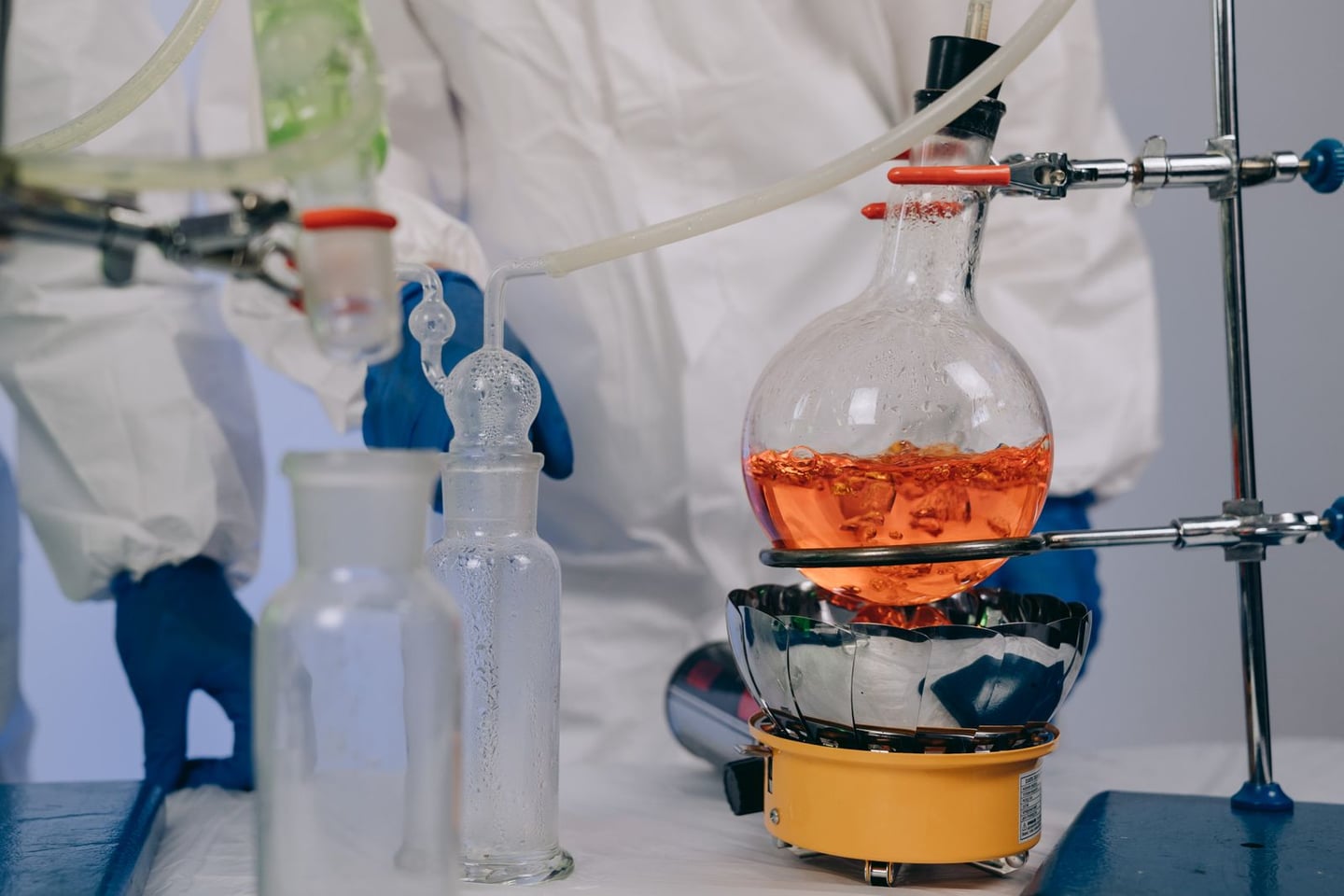
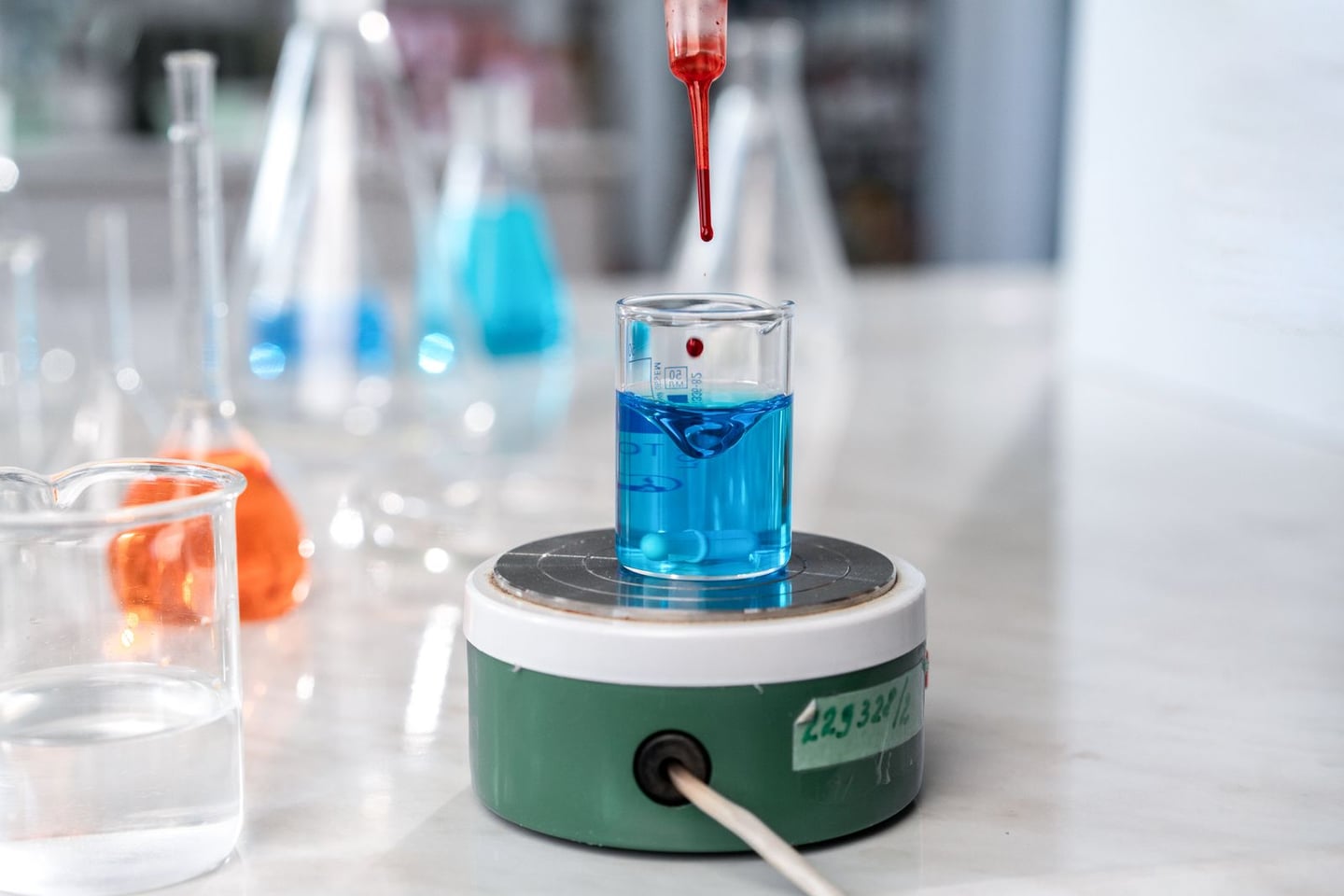
Photographs of clinical and laboratory settings, alongside the questions researchers investigate
 GHRP-2
The research setting
The peptide activates the ghrelin or growth hormone secretagogue receptor.
 GHRP-2
How the research is investigated
Human studies have examined short-term hormone responses and food intake.
Frequently asked questions
Will an initial GH response persist unchanged?
Not necessarily. Feedback and repeated exposure can change the response. Acute endocrine activity should not be treated as proof of a durable clinical benefit.
What is the United States regulatory context for GHRP-2?
GHRP-2 should not be represented as an FDA-approved United States recovery or longevity medicine. A diagnostic use or regulatory status elsewhere does not establish United States approval for a wellness product.
Sources & further reading
Official records and research discovery links. A database search is a starting point for finding studies, not a citation to a specific clinical result
Marcus Reed
Fictional editorial character used for this site demonstration. No medical credentials or independent clinical review are claimed
Read the full profile and disclosure ↗