 By Nora BennettFictional contributor · Read disclosure
Updated
Who researches Oxytocin?
This profile is for readers exploring neuroscience biology and the evidence behind this compound. Topic associations help locate research; they do not establish that a substance is suitable for personal use
Start with the beginner’s guide if the terminology is new, then read the limitations alongside the findings
What is Oxytocin?
Oxytocin is familiar both as an obstetric medicine and as a popular symbol of social bonding. Those two contexts should not share one simplified evidence summary. A monitored obstetric infusion addresses a defined clinical purpose, while a behavioral study may examine a narrow task under different exposure conditions. This guide keeps route, indication, and outcome visible. It also explains why the complexity of social behavior resists a simple hormone-restoration story, and why an established medical use cannot validate every proposed nasal, mood, or relationship-related application.
Also searched as Pitocin

How it works
Oxytocin-receptor signaling influences uterine contraction and other physiological processes. Research also examines central nervous-system effects, but route and delivery are crucial. The effects of an obstetric intravenous preparation cannot be assumed to match those of an intranasal research formulation.

Benefits & what the research shows
Established medical evidence and labeling support defined obstetric uses under appropriate supervision. Separate investigations of social behavior, anxiety, or other neuropsychiatric questions require their own appraisal. A behavioral experiment does not turn an obstetric medicine into a proven treatment for loneliness or relationship difficulties.
Check the species, population, formulation, comparator, and endpoint before applying a result to a different situation
How to read a peptide study ↗What this evidence cannot tell us
Context, participant characteristics, and measurement methods affect behavioral findings. Terms such as bonding or empathy can refer to laboratory tasks rather than meaningful clinical outcomes. The same hormone can act differently across tissues, and an endogenous role does not imply benefit from added exposure in every setting.
Dosage & administration
This page does not provide an obstetric infusion protocol or a personal intranasal schedule. Administration for childbirth-related care belongs with qualified clinical teams. Research on social effects should not be repurposed into self-treatment instructions.

Side effects & safety
Obstetric oxytocin requires careful monitoring because excessive uterine activity and other complications can be serious. Dose, route, fluid administration, and clinical circumstances matter. Intranasal or other proposed uses have different evidence questions and should not inherit a blanket safety claim from established obstetric practice.

Oxytocin vs related compounds
Compare the research questions and mechanisms. These summaries do not establish equivalent benefits or interchangeable products
| Compound | Research context |
|---|---|
| Oxytocin | Oxytocin-receptor signaling influences uterine contraction and other physiological processes. |
| Cerebrolysin | Proposed actions involve neurotrophic and injury-response pathways. |
| Dihexa | Preclinical work investigates interactions with hepatocyte growth factor and the c-Met signaling system. |
Sourcing & quality
FDA-approved oxytocin prescription products exist for specific uses. That does not establish approval of every route, formulation, or social-wellness claim. Confirm the exact product label and indication.
Regulatory details can change. Verify the current, product-specific record before making a clinical or purchasing decision
Understand FDA approval and research useInside the research
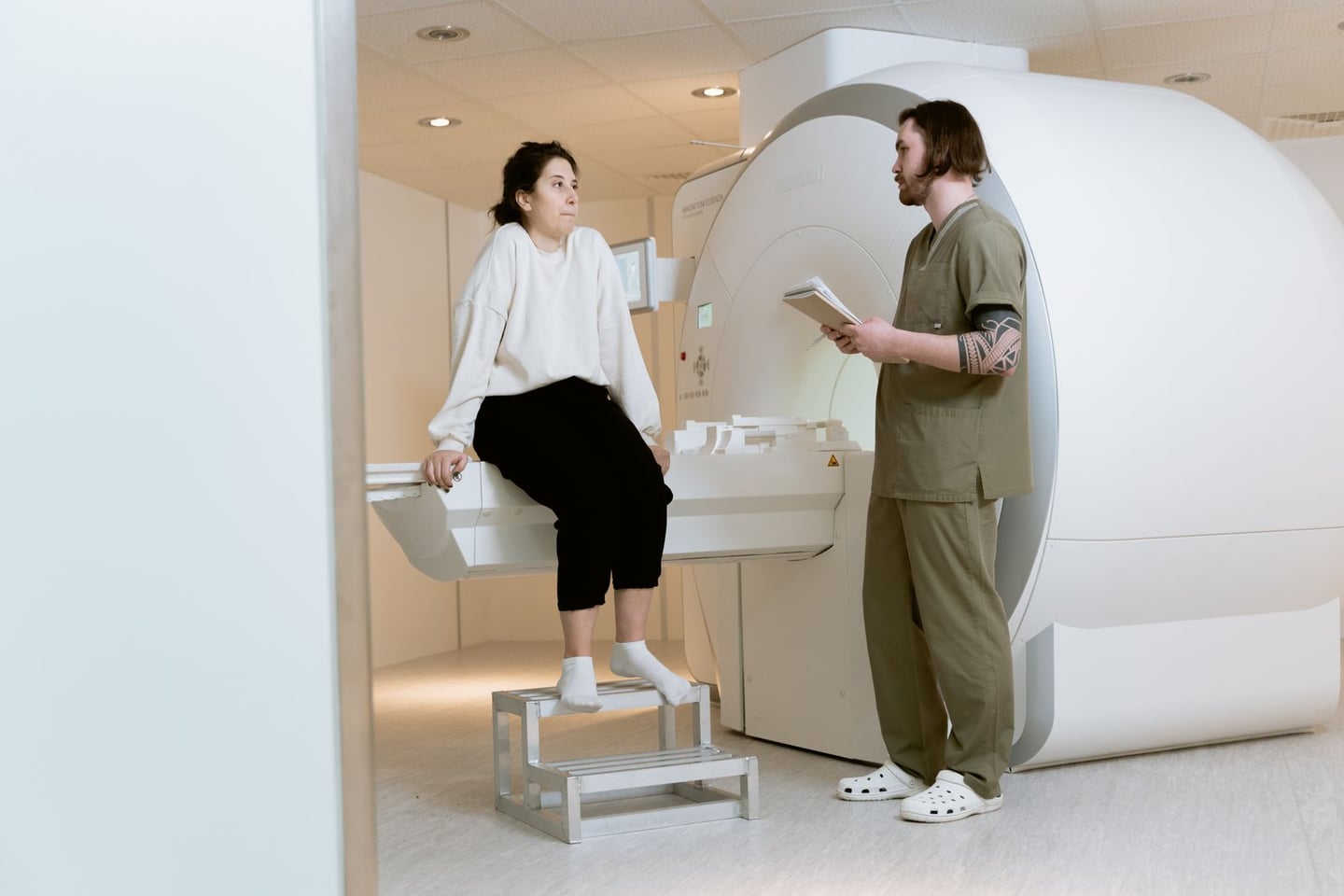
Photographs of clinical and laboratory settings, alongside the questions researchers investigate
 Oxytocin
The research setting
Oxytocin-receptor signaling influences uterine contraction and other physiological processes.
 Oxytocin
How the research is investigated
Established medical evidence and labeling support defined obstetric uses under appropriate supervision.
Frequently asked questions
Does obstetric use establish an intranasal mood treatment?
No. Indication, route, exposure, and outcomes differ. Established childbirth-related use cannot validate every behavioral or social-wellness claim.
What is the United States regulatory context for Oxytocin?
FDA-approved oxytocin prescription products exist for specific uses. That does not establish approval of every route, formulation, or social-wellness claim. Confirm the exact product label and indication.
Sources & further reading
Official records and research discovery links. A database search is a starting point for finding studies, not a citation to a specific clinical result
Nora Bennett
Fictional editorial character used for this site demonstration. No medical credentials or independent clinical review are claimed
Read the full profile and disclosure ↗