 By Nora BennettFictional contributor · Read disclosure
Updated
Who researches NAD+?
This profile is for readers exploring other biology and the evidence behind this compound. Topic associations help locate research; they do not establish that a substance is suitable for personal use
Start with the beginner’s guide if the terminology is new, then read the limitations alongside the findings
What is NAD+?
NAD+ belongs to cellular biochemistry, but it is not part of peptide chemistry. That matters because a catalog can group popular wellness products without making them scientifically equivalent. This guide separates the essential intracellular coenzyme from the question of whether a particular supplement or infusion improves a clinical outcome. It also distinguishes NAD+ from its precursors and one route from another. Those distinctions help prevent a common error: combining several unrelated lines of evidence into a broad promise of energy restoration or slower aging.
Also searched as Nicotinamide adenine dinucleotide, NAD
How it works
NAD cycles between chemical states in energy-related reactions and serves as a substrate for several enzyme systems. The fact that cells require NAD does not demonstrate that an infusion improves health in a person without a defined deficiency or indication. Different precursors and delivery routes create different biological questions.

Benefits & what the research shows
Human investigations include measurements of metabolism and tolerability, but these should not be turned into broad proof of improved longevity, cognitive performance, or recovery. A study of an oral precursor is not a study of intravenous NAD+, and a retrospective clinic series is not equivalent to a blinded randomized trial.
Check the species, population, formulation, comparator, and endpoint before applying a result to a different situation
How to read a peptide study ↗What this evidence cannot tell us
Wellness claims often combine findings from cells, animals, precursor supplements, and infusion services into one narrative. Those exposures must be separated. An increase in a blood biomarker also does not prove the compound reached every tissue of interest or changed a meaningful clinical outcome.
Dosage & administration
This profile does not specify an infusion rate, injection dose, or home preparation method. Anyone considering a service should ask what condition is being treated, what evidence supports that exact route, and what adverse-event monitoring is provided.

Side effects & safety
Infusions have procedure-related risks in addition to potential pharmacologic effects. Product preparation, vascular access, rate of administration, and medical history matter. A supervised service is not automatically an evidence-based indication, and a pleasant short-term experience cannot establish long-term benefit or exclude uncommon harms.

NAD+ vs related compounds
Compare the research questions and mechanisms. These summaries do not establish equivalent benefits or interchangeable products
| Compound | Research context |
|---|---|
| NAD+ | NAD cycles between chemical states in energy-related reactions and serves as a substrate for several enzyme systems. |
| Epitalon | Cell experiments investigate telomerase activity and telomere maintenance. |
| FOXO4-DRI | The peptide is designed to interfere with the interaction between FOXO4 and p53 in a particular cellular context. |
Sourcing & quality
NAD+ should not be described as an FDA-approved anti-aging infusion. Regulatory and evidence questions depend on the exact product, route, and claim. Endogenous presence is not an approval category.
Regulatory details can change. Verify the current, product-specific record before making a clinical or purchasing decision
Understand FDA approval and research useInside the research
Photographs of clinical and laboratory settings, alongside the questions researchers investigate
 NAD+
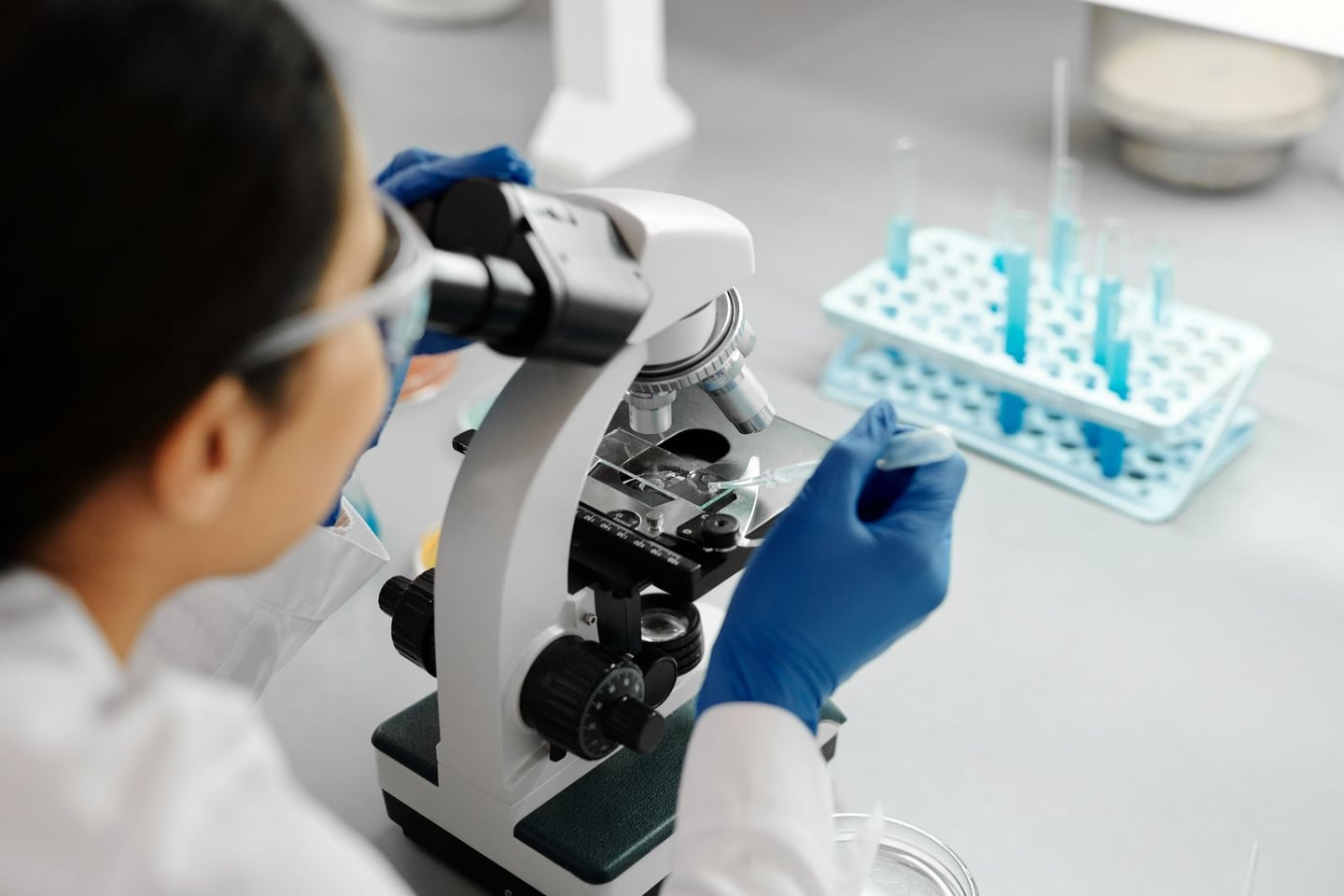
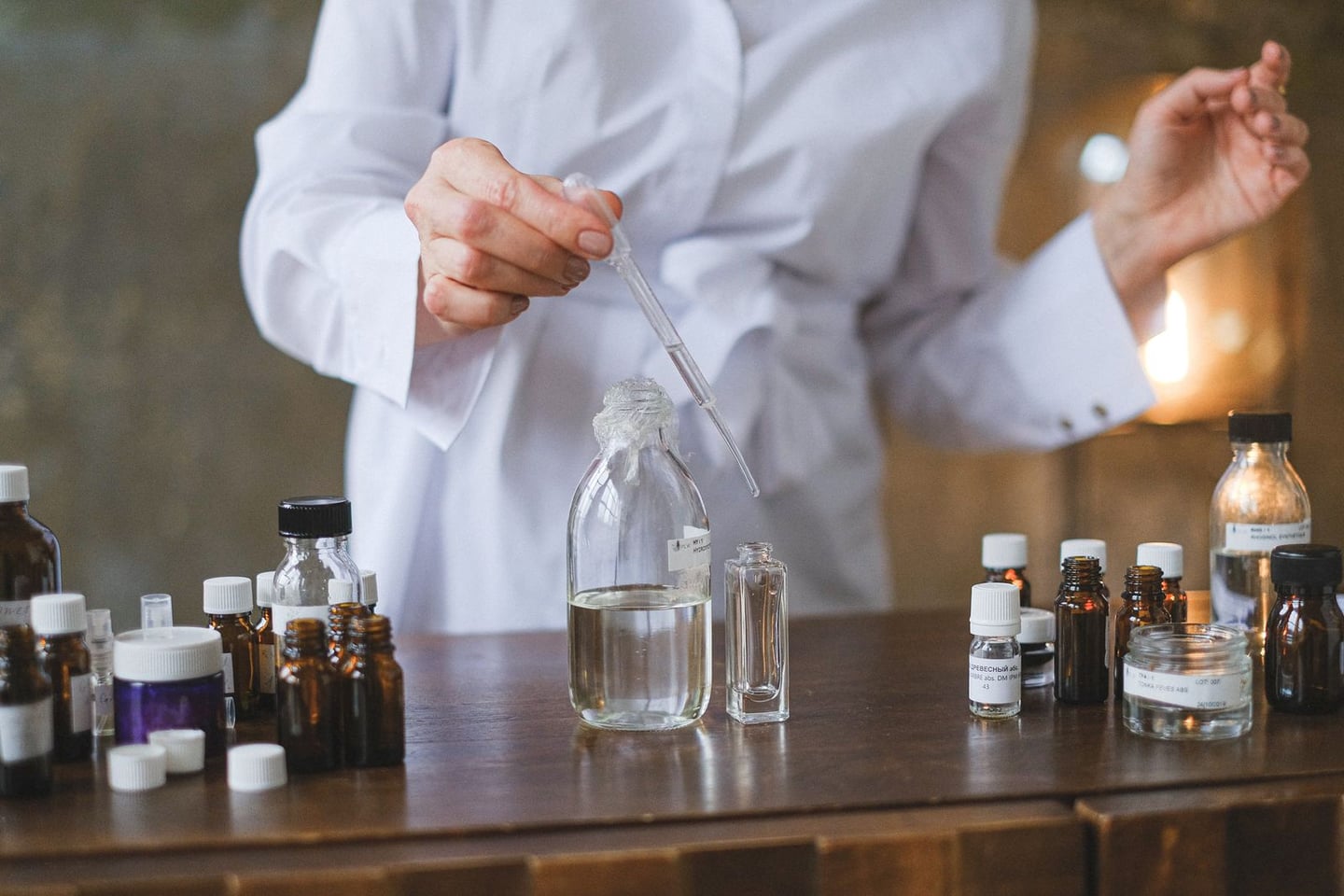
The research setting
NAD cycles between chemical states in energy-related reactions and serves as a substrate for several enzyme systems.
 NAD+
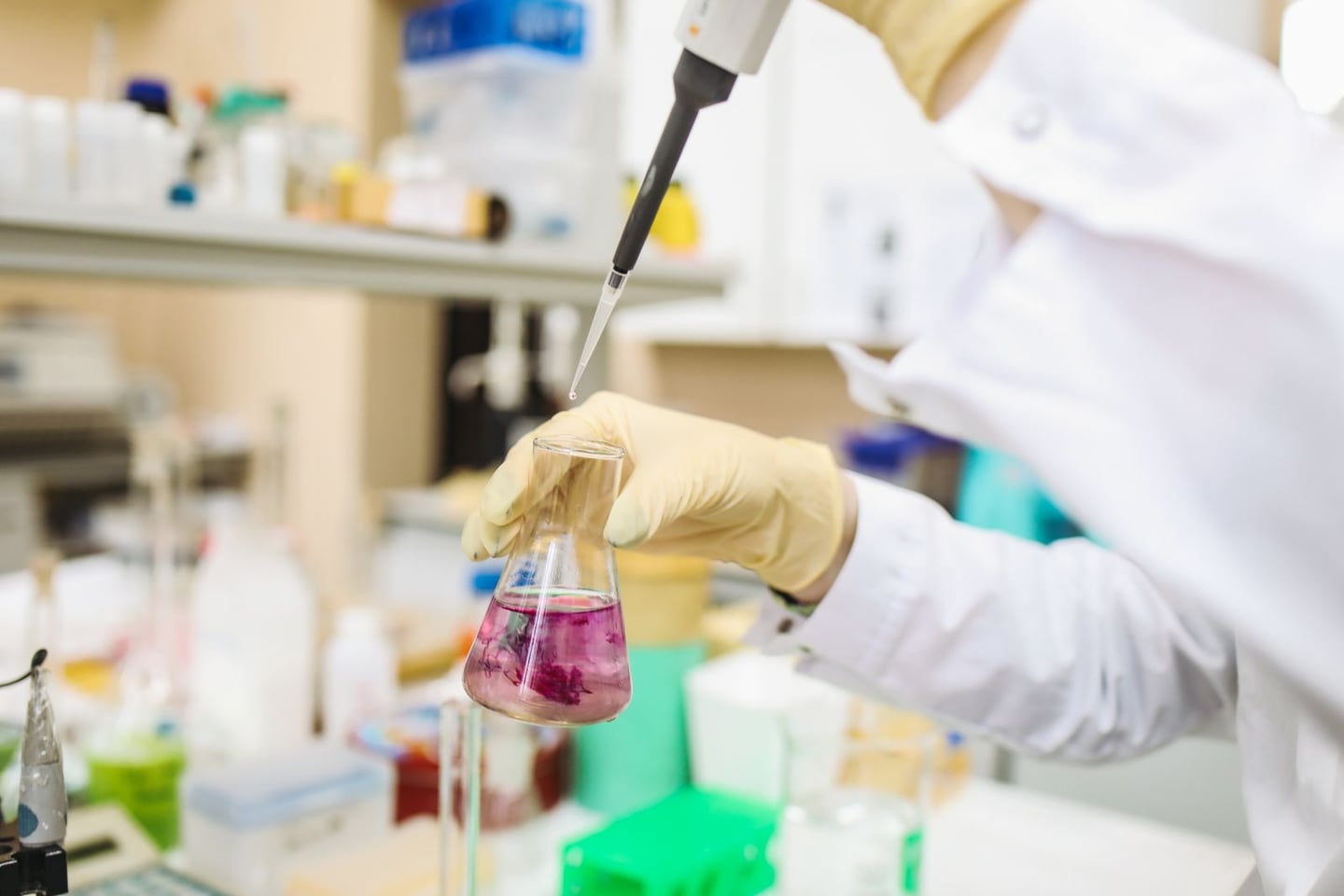
How the research is investigated
Human investigations include measurements of metabolism and tolerability, but these should not be turned into broad proof of improved longevity, cognitive performance, or recovery.
Frequently asked questions
Is NAD+ a peptide?
No. NAD+ is a coenzyme. Its inclusion in a peptide-oriented catalog reflects a shared marketing context, not the same molecular classification.
What is the United States regulatory context for NAD+?
NAD+ should not be described as an FDA-approved anti-aging infusion. Regulatory and evidence questions depend on the exact product, route, and claim. Endogenous presence is not an approval category.
Sources & further reading
Official records and research discovery links. A database search is a starting point for finding studies, not a citation to a specific clinical result
Nora Bennett
Fictional editorial character used for this site demonstration. No medical credentials or independent clinical review are claimed
Read the full profile and disclosure ↗