 By Nora BennettFictional contributor · Read disclosure
Updated
Who researches Epitalon?
This profile is for readers exploring other biology and the evidence behind this compound. Topic associations help locate research; they do not establish that a substance is suitable for personal use
Start with the beginner’s guide if the terminology is new, then read the limitations alongside the findings
What is Epitalon?
Epitalon is frequently introduced through the idea that telomeres are an aging clock. That shorthand leaves out the complexity of cell state, tissue context, and the relationship between a laboratory marker and a person’s health. A culture experiment can test telomerase-related effects without answering whether a treatment extends human life. This guide uses those boundaries to assess longevity claims and to separate the defined synthetic peptide from older extract preparations. It also highlights why long-term safety deserves attention when a proposed mechanism involves cell maintenance.
Also searched as Epithalon, Ala-Glu-Asp-Gly
How it works
Cell experiments investigate telomerase activity and telomere maintenance. Telomeres are structures at chromosome ends, and their biology is complex. Longer telomeres in a cell culture are not a direct measurement of a person’s biological age, and telomerase activation cannot be assumed to produce an uncomplicated health benefit.
Benefits & what the research shows
Published experiments report effects in cultured human cells, including work on telomerase and telomere length. These are not clinical lifespan trials. Historical reports involving pineal extracts or epithalamin should also be separated from studies of the defined synthetic epitalon sequence, since they are not necessarily equivalent interventions.
Check the species, population, formulation, comparator, and endpoint before applying a result to a different situation
How to read a peptide study ↗What this evidence cannot tell us
Longevity claims require evidence on meaningful outcomes such as disease, function, and survival, with adequate follow-up and controls. A cell’s division history is not the same as the health trajectory of an organism. Mechanistic enthusiasm should therefore be accompanied by clear statements about what has not been demonstrated in people.
Dosage & administration
No established FDA-approved self-administration regimen exists for life extension. This profile does not recommend cyclical injection schedules. Published laboratory concentrations should not be transformed into a human longevity protocol.

Side effects & safety
Long-term effects of manipulating telomere-related pathways remain uncertain. Unapproved products add questions about identity, purity, dose accuracy, and sterility. The absence of a well-established adverse-event rate is not evidence that repeated courses are safe, particularly for users with complex medical histories.
Epitalon vs related compounds
Compare the research questions and mechanisms. These summaries do not establish equivalent benefits or interchangeable products
| Compound | Research context |
|---|---|
| Epitalon | Cell experiments investigate telomerase activity and telomere maintenance. |
| FOXO4-DRI | The peptide is designed to interfere with the interaction between FOXO4 and p53 in a particular cellular context. |
| NAD+ | NAD cycles between chemical states in energy-related reactions and serves as a substrate for several enzyme systems. |
Sourcing & quality
Epitalon is not an FDA-approved general anti-aging or life-extension medicine. FDA has considered related bulk-substance questions, but a nomination or advisory discussion does not establish clinical approval.
Regulatory details can change. Verify the current, product-specific record before making a clinical or purchasing decision
Understand FDA approval and research useInside the research
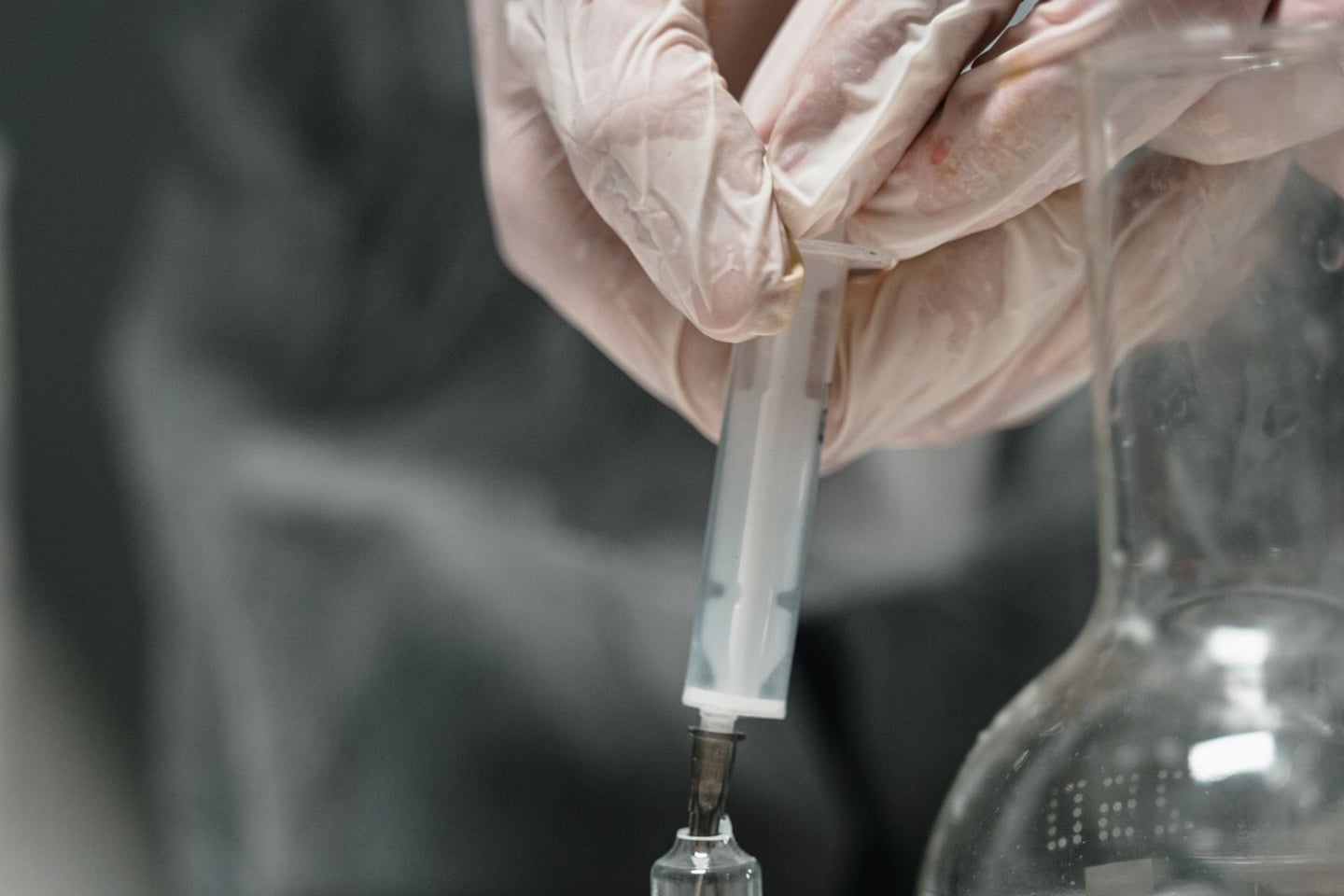
Photographs of clinical and laboratory settings, alongside the questions researchers investigate
 Epitalon
The research setting
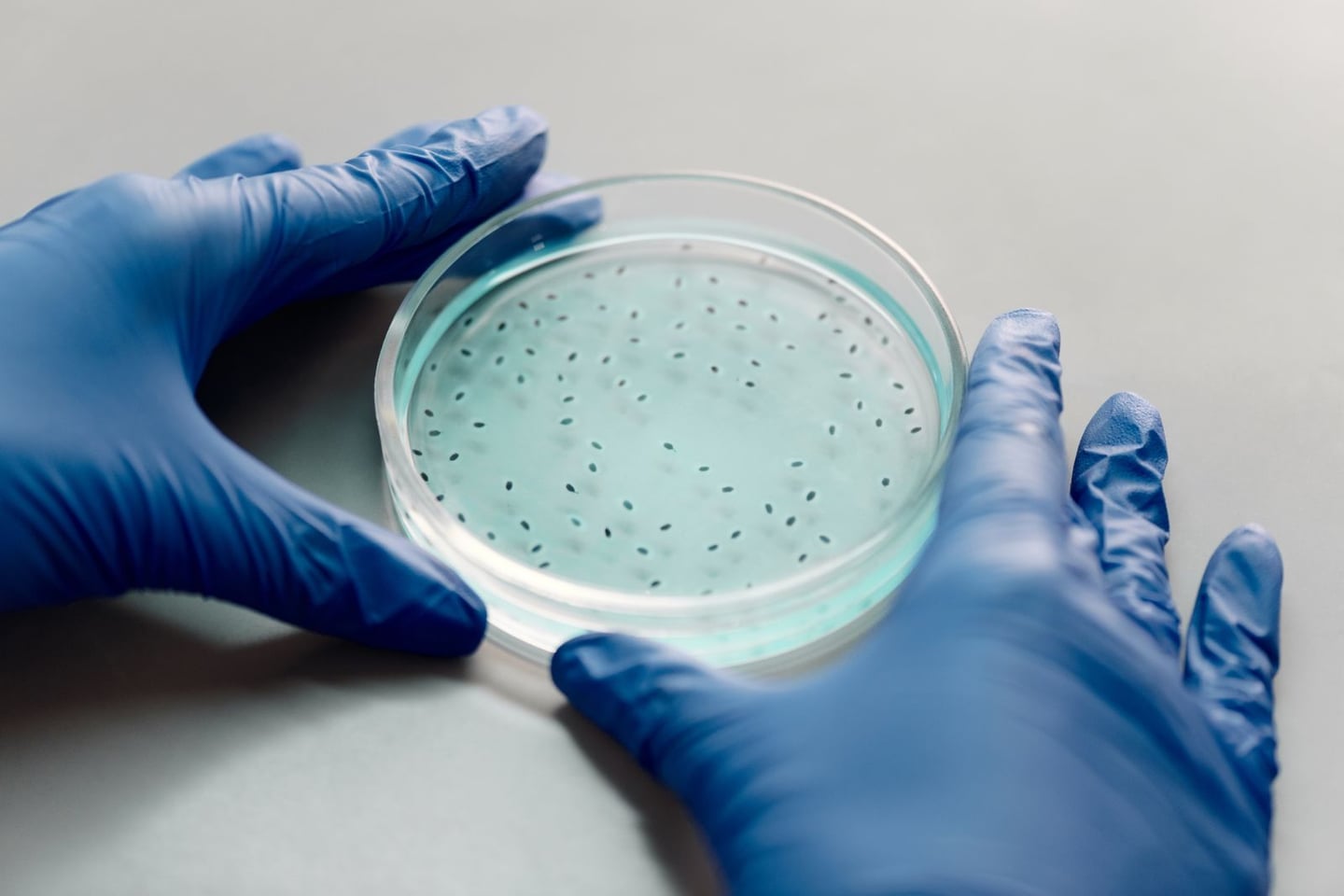
Cell experiments investigate telomerase activity and telomere maintenance.
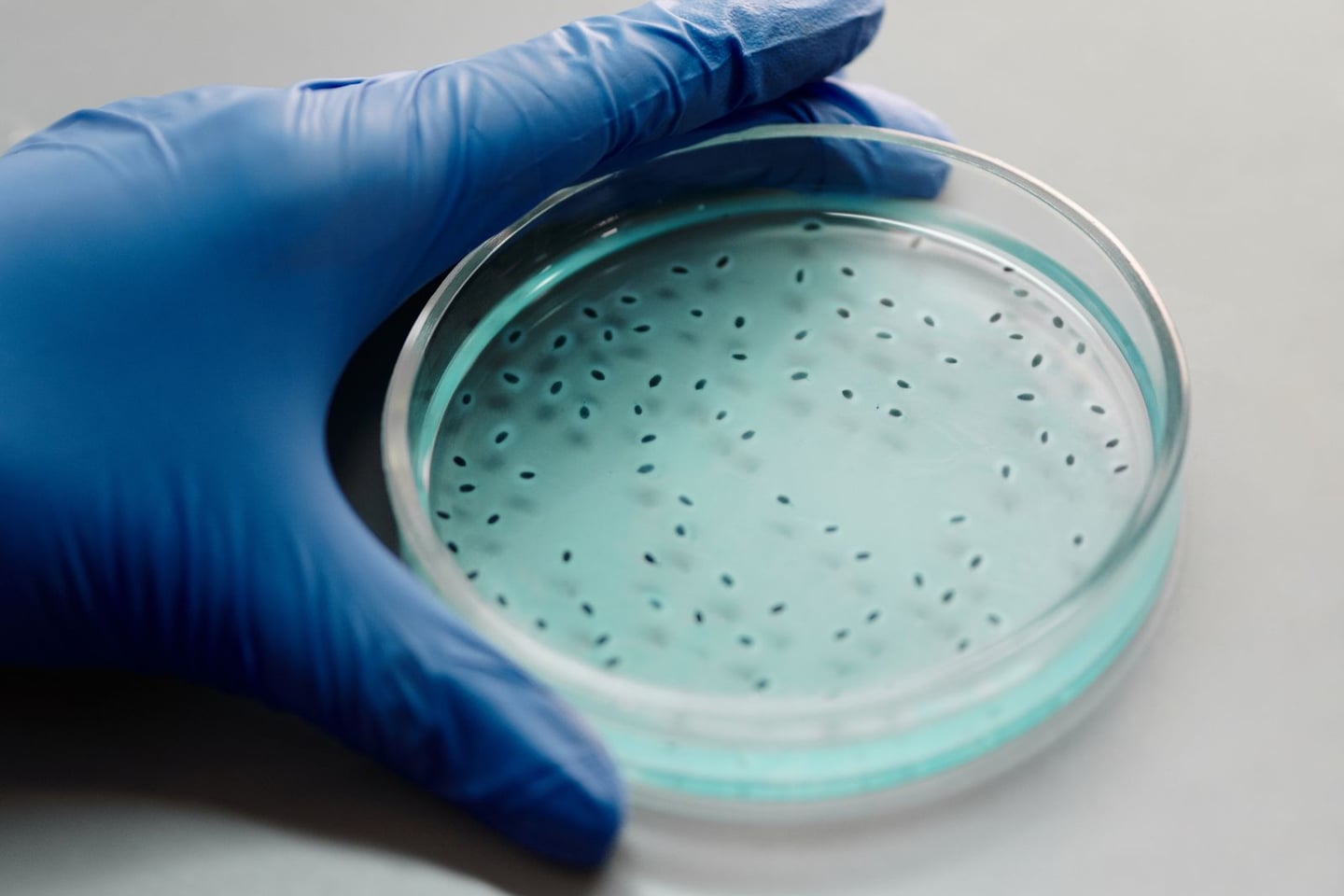 Epitalon
How the research is investigated
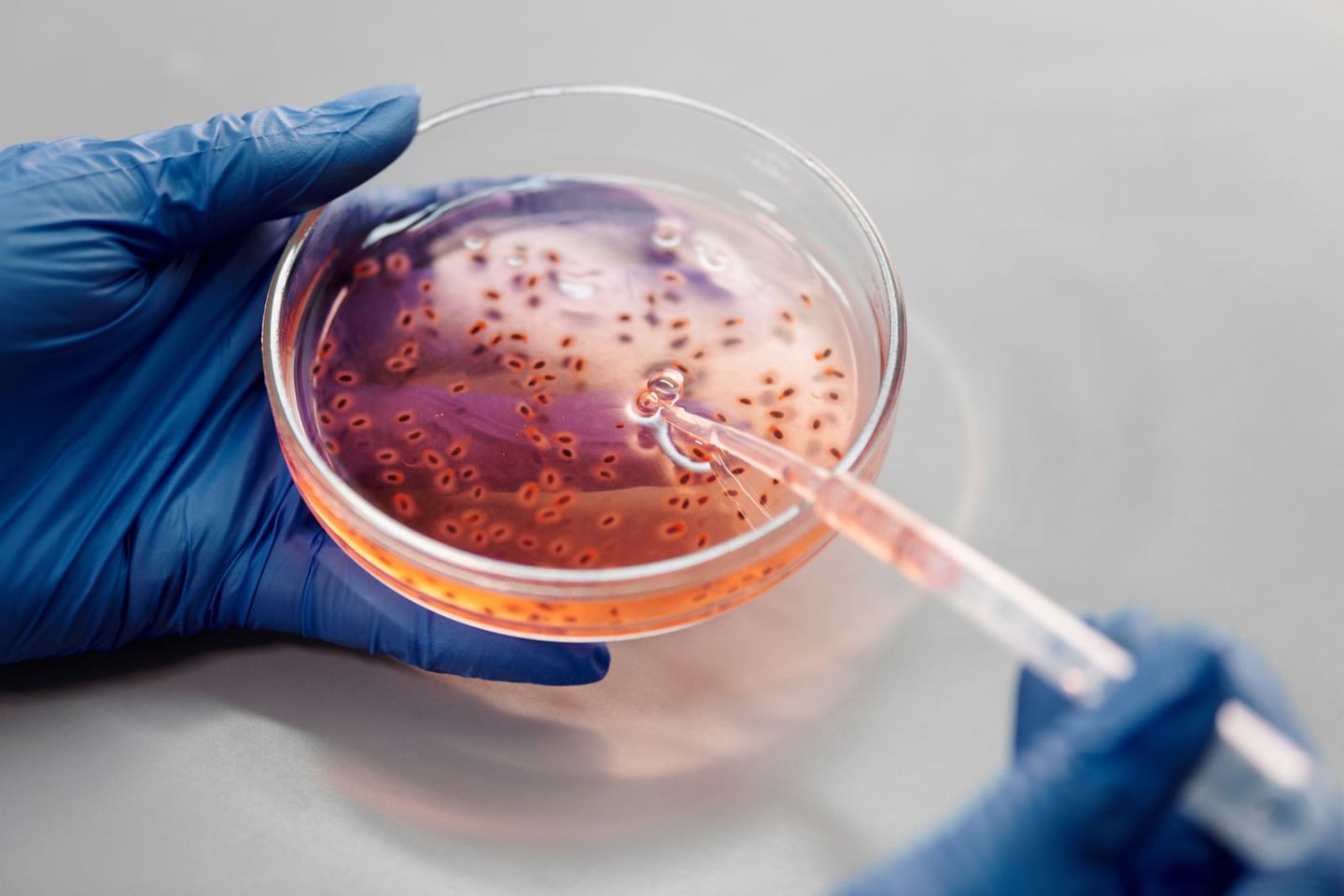
Published experiments report effects in cultured human cells, including work on telomerase and telomere length.
Frequently asked questions
Does telomere lengthening prove longer human life?
No. A cell-culture marker is not a clinical survival outcome. Human longevity claims require appropriate studies of health, function, harms, and survival.
What is the United States regulatory context for Epitalon?
Epitalon is not an FDA-approved general anti-aging or life-extension medicine. FDA has considered related bulk-substance questions, but a nomination or advisory discussion does not establish clinical approval.
Sources & further reading
Official records and research discovery links. A database search is a starting point for finding studies, not a citation to a specific clinical result
Nora Bennett
Fictional editorial character used for this site demonstration. No medical credentials or independent clinical review are claimed
Read the full profile and disclosure ↗