 By Elena MorrisFictional contributor · Read disclosure
Updated
Who researches Survodutide?
This profile is for readers exploring metabolic biology and the evidence behind this compound. Topic associations help locate research; they do not establish that a substance is suitable for personal use
Start with the beginner’s guide if the terminology is new, then read the limitations alongside the findings
What is Survodutide?
Survodutide is discussed in both obesity and metabolic liver-disease research, which makes endpoint selection especially important. A weight result, a laboratory marker, a histologic change, and prevention of clinical complications do not establish the same benefit. This guide introduces the dual-receptor rationale and then asks what each study was built to measure. It also explains why different analysis populations can produce different headline figures. Readers can use those distinctions to follow development without confusing promising results, regulatory progress, and an approved treatment option.
Also searched as BI 456906
How it works
The peptide combines glucagon-receptor and GLP-1-receptor activity. That combination is intended to influence appetite and metabolic pathways, including processes relevant to liver disease. A plausible mechanism can motivate a trial, but it cannot establish that a treatment improves fibrosis, prevents complications, or benefits every person with obesity.
Benefits & what the research shows
Clinical research includes randomized phase 2 investigations and later development programs. Weight change and liver-related endpoints need separate interpretation. A liver-disease trial can use imaging, laboratory, histologic, or clinical measures; each answers a different question and should be identified explicitly.
Check the species, population, formulation, comparator, and endpoint before applying a result to a different situation
How to read a peptide study ↗What this evidence cannot tell us
Headline results may use different statistical estimands or populations. Readers should check whether a number refers to all randomized participants, participants remaining on treatment, or a subgroup. Comparisons with a different medicine are strongest when the drugs are tested directly under the same protocol.
Dosage & administration
There is no FDA-approved personal-use dosing schedule in this profile. Published trial regimens should not be repurposed as home instructions. A clinician can discuss established treatment and eligibility for a legitimate clinical study.
Side effects & safety
Tolerability, gastrointestinal adverse effects, and treatment discontinuation are important parts of the evidence. Long-term and uncommon risks need appropriate follow-up. Unverified research vials add manufacturing and handling uncertainty and do not reproduce the conditions of a monitored trial.

Survodutide vs related compounds
Compare the research questions and mechanisms. These summaries do not establish equivalent benefits or interchangeable products
| Compound | Research context |
|---|---|
| Survodutide | The peptide combines glucagon-receptor and GLP-1-receptor activity. |
| AOD-9604 | The development rationale focused on separating proposed lipid-related effects from other growth hormone actions. |
| Cagrilintide | Amylin participates in the regulation of satiation and food intake. |
Sourcing & quality
Survodutide should not be represented as an FDA-approved general weight-loss or liver-disease treatment. Investigational status and trial progress are distinct from product approval, and FDA has acted against unapproved research products marketed for human use.
Regulatory details can change. Verify the current, product-specific record before making a clinical or purchasing decision
Understand FDA approval and research useInside the research
Photographs of clinical and laboratory settings, alongside the questions researchers investigate
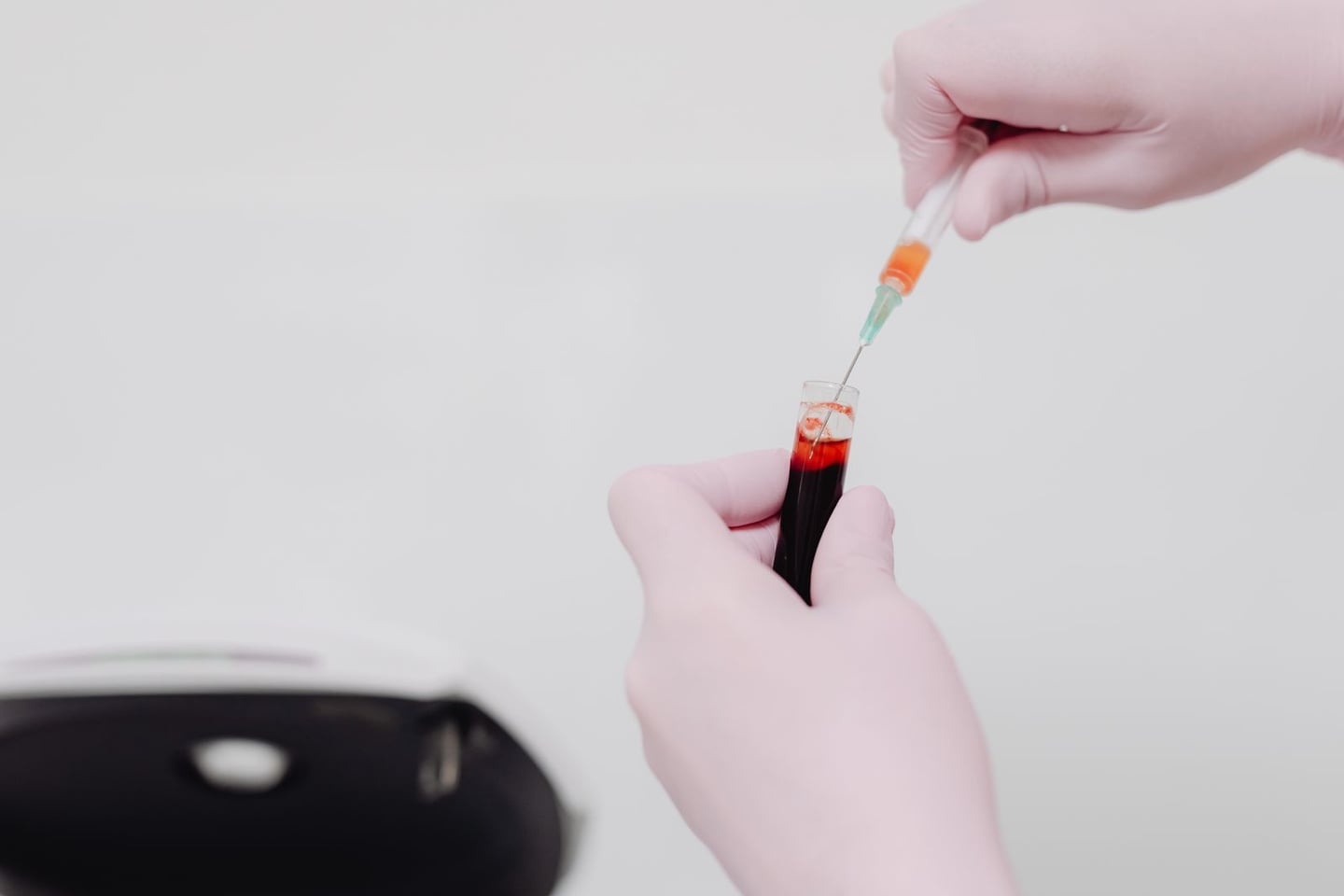 Survodutide
The research setting
The peptide combines glucagon-receptor and GLP-1-receptor activity.
 Survodutide
How the research is investigated
Clinical research includes randomized phase 2 investigations and later development programs.
Frequently asked questions
Are weight and liver outcomes interchangeable?
No. Weight change, liver markers, histology, and clinical complications are distinct endpoints. A result in one should not be substituted for another.
What is the United States regulatory context for Survodutide?
Survodutide should not be represented as an FDA-approved general weight-loss or liver-disease treatment. Investigational status and trial progress are distinct from product approval, and FDA has acted against unapproved research products marketed for human use.
Sources & further reading
Official records and research discovery links. A database search is a starting point for finding studies, not a citation to a specific clinical result
Elena Morris
Fictional editorial character used for this site demonstration. No medical credentials or independent clinical review are claimed
Read the full profile and disclosure ↗