 By Elena MorrisFictional contributor · Read disclosure
Updated
Who researches Cagrilintide?
This profile is for readers exploring metabolic biology and the evidence behind this compound. Topic associations help locate research; they do not establish that a substance is suitable for personal use
Start with the beginner’s guide if the terminology is new, then read the limitations alongside the findings
What is Cagrilintide?
Cagrilintide research asks whether an amylin-related approach can contribute to weight management on its own or alongside another medicine. These are separate experimental questions. A combination study cannot isolate each ingredient’s contribution unless its design supports that conclusion. Readers should therefore check which formulation was tested and whether the claim concerns weight, tolerability, or another outcome. This guide explains the rationale for investigation while preserving the distinction between a development program, a trial protocol, and an approved treatment that a clinician can prescribe.
Also searched as AM833, CagriSema component

How it works
Amylin participates in the regulation of satiation and food intake. An amylin analog acts through pathways that differ from GLP-1 receptor agonism, which is the rationale for studying combinations. A complementary mechanism is a hypothesis about treatment potential; the size and durability of any benefit must be established in clinical studies.

Benefits & what the research shows
Clinical research investigates cagrilintide alone and in combinations. Results need to be attributed to the actual formulation, comparator, participant population, and follow-up. A semaglutide-plus-cagrilintide result should not be presented as evidence for cagrilintide alone, and studies of another amylin-related medicine are not interchangeable.
Check the species, population, formulation, comparator, and endpoint before applying a result to a different situation
How to read a peptide study ↗What this evidence cannot tell us
For each claim, ask whether it comes from a published trial, a registry description, a conference presentation, or a company announcement. These are different levels of documentation. Longer observation and adequate sample sizes remain important for uncommon adverse events and for understanding what happens after treatment stops.
Dosage & administration
No FDA-approved personal-use dosing schedule is provided here. Trial doses belong to their protocols and monitoring arrangements. Readers considering treatment for obesity should ask a licensed clinician about approved options rather than reproduce a research combination from online instructions.

Side effects & safety
Appetite pathways and gastrointestinal tolerability are central safety considerations. Unapproved mixtures add uncertainty about stability, concentration, contamination, and interactions. A label reading research use only does not create a clinical safety standard or replace screening and monitoring by a study team.

Cagrilintide vs related compounds
Compare the research questions and mechanisms. These summaries do not establish equivalent benefits or interchangeable products
| Compound | Research context |
|---|---|
| Cagrilintide | Amylin participates in the regulation of satiation and food intake. |
| AOD-9604 | The development rationale focused on separating proposed lipid-related effects from other growth hormone actions. |
| Liraglutide | Liraglutide activates the GLP-1 receptor, helping regulate glucose-dependent insulin secretion and appetite. |
Sourcing & quality
FDA states that cagrilintide is not a component of an FDA-approved drug and cannot be used in compounding under federal law. Regulatory status is jurisdiction-specific; overseas reports do not establish United States approval.
Regulatory details can change. Verify the current, product-specific record before making a clinical or purchasing decision
Understand FDA approval and research useInside the research
Photographs of clinical and laboratory settings, alongside the questions researchers investigate
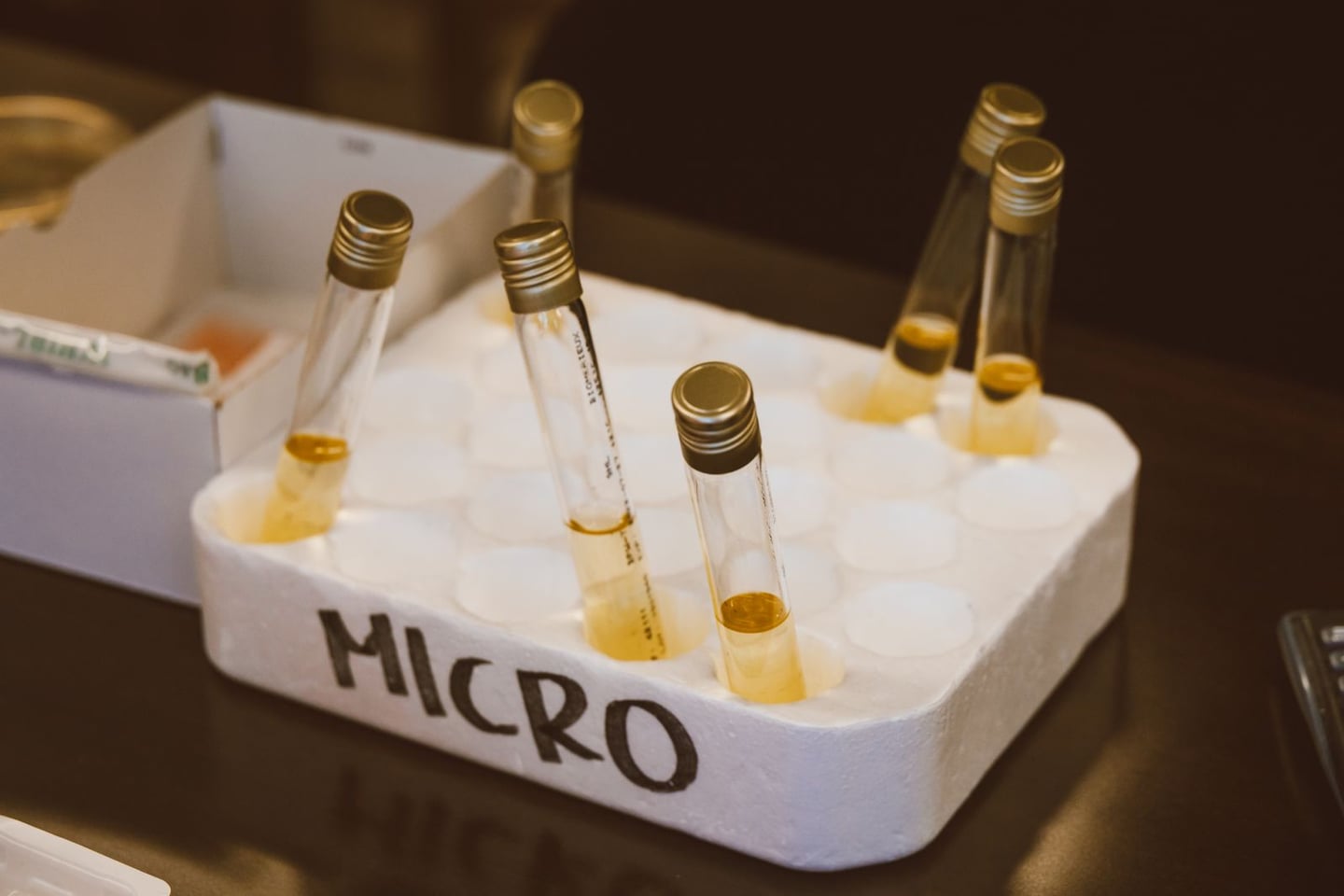 Cagrilintide
The research setting
Amylin participates in the regulation of satiation and food intake.
 Cagrilintide
How the research is investigated
Clinical research investigates cagrilintide alone and in combinations.
Frequently asked questions
Is CagriSema evidence the same as cagrilintide-alone evidence?
No. A combination and a single ingredient are different interventions. The trial design must support any claim about each component’s contribution.
What is the United States regulatory context for Cagrilintide?
FDA states that cagrilintide is not a component of an FDA-approved drug and cannot be used in compounding under federal law. Regulatory status is jurisdiction-specific; overseas reports do not establish United States approval.
Sources & further reading
Official records and research discovery links. A database search is a starting point for finding studies, not a citation to a specific clinical result
Elena Morris
Fictional editorial character used for this site demonstration. No medical credentials or independent clinical review are claimed
Read the full profile and disclosure ↗