 By Nora BennettFictional contributor · Read disclosure
Updated
Who researches SS-31?
This profile is for readers exploring other biology and the evidence behind this compound. Topic associations help locate research; they do not establish that a substance is suitable for personal use
Start with the beginner’s guide if the terminology is new, then read the limitations alongside the findings
What is SS-31?
Elamipretide shows how a research compound’s status can change while older online summaries remain unchanged. Its Barth syndrome approval is important, but the indication is much narrower than the anti-aging claims often attached to SS-31. A balanced guide therefore recognizes the approval and also explains the limits of extrapolation. The rare-disease trial setting, accelerated approval pathway, endpoint selection, and continuing evidence requirements all matter. This profile uses that context to distinguish a legitimate specialist medicine from a general claim of mitochondrial rejuvenation.
Also searched as Elamipretide, Forzinity, MTP-131

How it works
Elamipretide binds mitochondrial cardiolipin, a lipid important to inner mitochondrial membrane organization. Barth syndrome involves abnormal cardiolipin remodeling and mitochondrial dysfunction. Linking a drug to that biological context is more precise than describing it as a universal energy booster or assuming that every fatigue symptom has the same mechanism.

Benefits & what the research shows
The FDA trial snapshot describes a small study in Barth syndrome with a randomized crossover component and a longer open-label extension. Accelerated approval involves continuing obligations to verify clinical benefit. Small rare-disease programs can be informative while also requiring careful attention to the endpoint, population, and uncertainty.
Check the species, population, formulation, comparator, and endpoint before applying a result to a different situation
How to read a peptide study ↗What this evidence cannot tell us
Results in Barth syndrome cannot be transferred to healthy adults seeking longevity, athletes seeking performance gains, or people with unrelated fatigue. The approved formulation and monitoring differ from online research products. A molecule’s presence in a legitimate medicine does not validate every product marketed under an older development code.
Dosage & administration
For the approved indication, dosing and administration belong under specialist supervision with the exact prescribed product. This page does not supply a longevity protocol or instructions for research SS-31. Older online summaries calling every elamipretide use unapproved are now incomplete.

Side effects & safety
The current Forzinity label and specialist assessment should guide safety discussions. An inherited mitochondrial disorder may involve cardiac and other complications requiring coordinated care. For uses outside the approved indication, both benefit and risk may be much less certain; describing a pathway as mitochondrial protection does not establish long-term clinical safety.

SS-31 vs related compounds
Compare the research questions and mechanisms. These summaries do not establish equivalent benefits or interchangeable products
| Compound | Research context |
|---|---|
| SS-31 | Elamipretide binds mitochondrial cardiolipin, a lipid important to inner mitochondrial membrane organization. |
| Epitalon | Cell experiments investigate telomerase activity and telomere maintenance. |
| FOXO4-DRI | The peptide is designed to interfere with the interaction between FOXO4 and p53 in a particular cellular context. |
Sourcing & quality
Forzinity is FDA approved under the accelerated approval pathway for the specified Barth syndrome indication. General anti-aging use remains outside that approval. Verify current labeling and confirmatory-study updates with official sources.
Regulatory details can change. Verify the current, product-specific record before making a clinical or purchasing decision
Understand FDA approval and research useInside the research
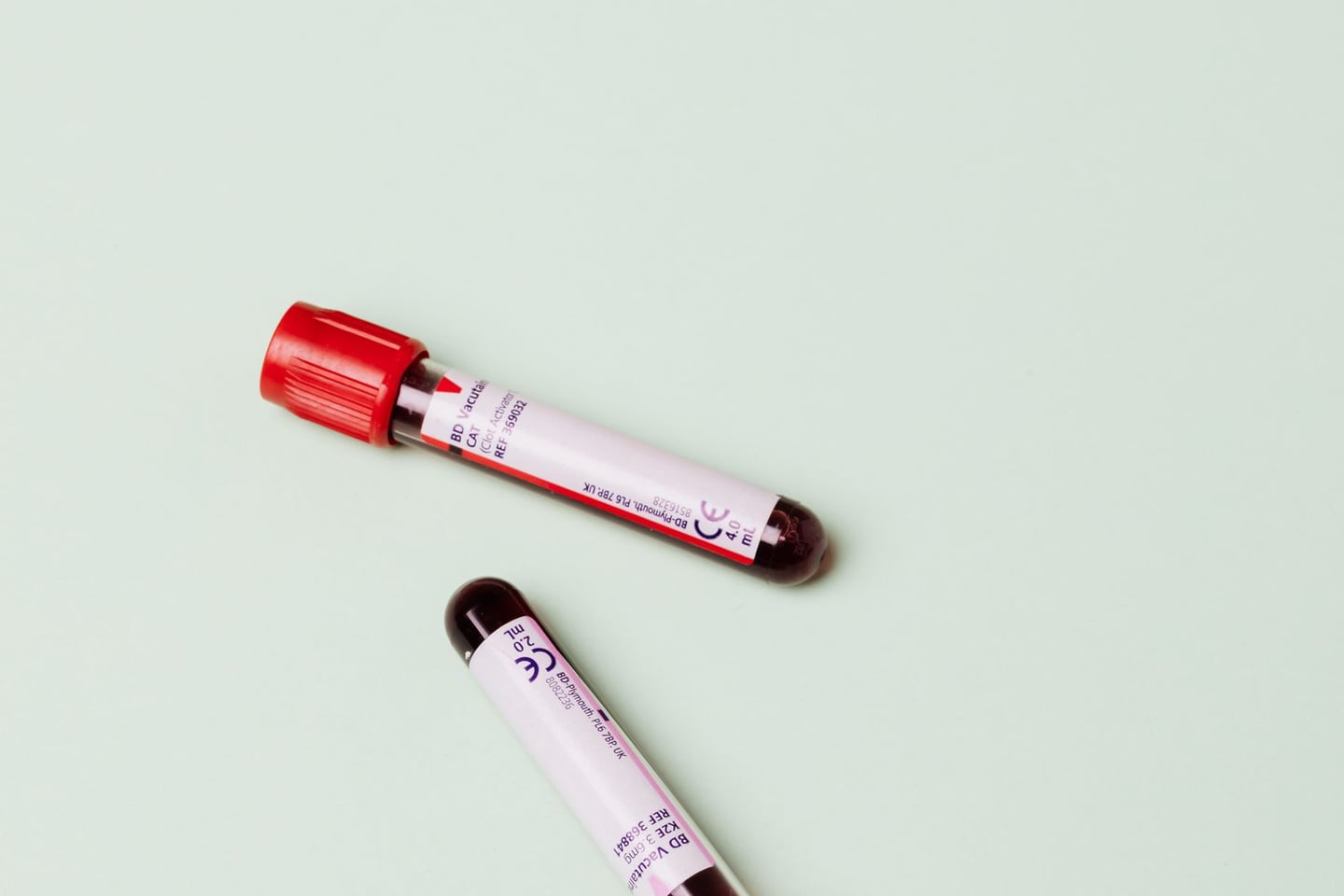
Photographs of clinical and laboratory settings, alongside the questions researchers investigate
 SS-31
The research setting
Elamipretide binds mitochondrial cardiolipin, a lipid important to inner mitochondrial membrane organization.
 SS-31
How the research is investigated
The FDA trial snapshot describes a small study in Barth syndrome with a randomized crossover component and a longer open-label extension.
Frequently asked questions
Does the Forzinity approval establish an anti-aging use?
No. The approval addresses muscle strength in a specified Barth syndrome population. General longevity and wellness claims fall outside that indication.
What is the United States regulatory context for SS-31?
Forzinity is FDA approved under the accelerated approval pathway for the specified Barth syndrome indication. General anti-aging use remains outside that approval. Verify current labeling and confirmatory-study updates with official sources.
Sources & further reading
Official records and research discovery links. A database search is a starting point for finding studies, not a citation to a specific clinical result
Nora Bennett
Fictional editorial character used for this site demonstration. No medical credentials or independent clinical review are claimed
Read the full profile and disclosure ↗