 By Nora BennettFictional contributor · Read disclosure
Updated
Who researches Semax?
This profile is for readers exploring neuroscience biology and the evidence behind this compound. Topic associations help locate research; they do not establish that a substance is suitable for personal use
Start with the beginner’s guide if the terminology is new, then read the limitations alongside the findings
What is Semax?
Semax is often introduced through a neurotrophin or brain-plasticity narrative. A molecular observation can be interesting without establishing a clinically meaningful cognitive effect. This guide follows that distinction from a rat-brain experiment toward the claims made for healthy users and neurological patients. It asks about formulation, route, study design, and the outcome actually measured. It also separates regional clinical use from United States regulatory status, giving readers a way to assess nootropic language without assuming that a mechanistic explanation establishes either efficacy or long-term safety.
Also searched as ACTH-related heptapeptide

How it works
Laboratory work investigates neurotrophin-related signaling and responses to experimental stress or injury. A rat-brain study examined BDNF expression after Semax exposure. Changes in a neurotrophic factor do not directly demonstrate better memory, intelligence, or recovery in a human clinical population.

Benefits & what the research shows
The evidence includes preclinical investigations and region-specific clinical literature. Study language, design, comparator, allocation methods, endpoints, and independent replication all matter. A report of use in another country does not answer whether a preparation is FDA approved or whether a healthy user will experience a meaningful benefit.
Check the species, population, formulation, comparator, and endpoint before applying a result to a different situation
How to read a peptide study ↗What this evidence cannot tell us
Cognitive performance can vary with sleep, mood, attention, practice effects, and illness. Without adequate controls, perceived improvement is difficult to attribute to the compound. Studies in acute neurological disease also cannot be generalized automatically to healthy students or office workers.
Dosage & administration
This overview supplies no personal intranasal dose or cognitive-enhancement cycle. Trial methods are not home-use instructions. New neurological symptoms or changes in cognition should be assessed clinically rather than managed with a research peptide.

Side effects & safety
Long-term safety for consumer nootropic use is not established. Nasal delivery does not remove the need to assess identity, concentration, contamination, and local effects. FDA materials discuss limited safety information and peptide-related concerns for Semax preparations.

Semax vs related compounds
Compare the research questions and mechanisms. These summaries do not establish equivalent benefits or interchangeable products
| Compound | Research context |
|---|---|
| Semax | Laboratory work investigates neurotrophin-related signaling and responses to experimental stress or injury. |
| Cerebrolysin | Proposed actions involve neurotrophic and injury-response pathways. |
| Dihexa | Preclinical work investigates interactions with hepatocyte growth factor and the c-Met signaling system. |
Sourcing & quality
Semax is not an FDA-approved United States cognitive-enhancement or stroke-recovery medicine. Approval or availability in another jurisdiction should be described separately and verified for the exact formulation.
Regulatory details can change. Verify the current, product-specific record before making a clinical or purchasing decision
Understand FDA approval and research useInside the research
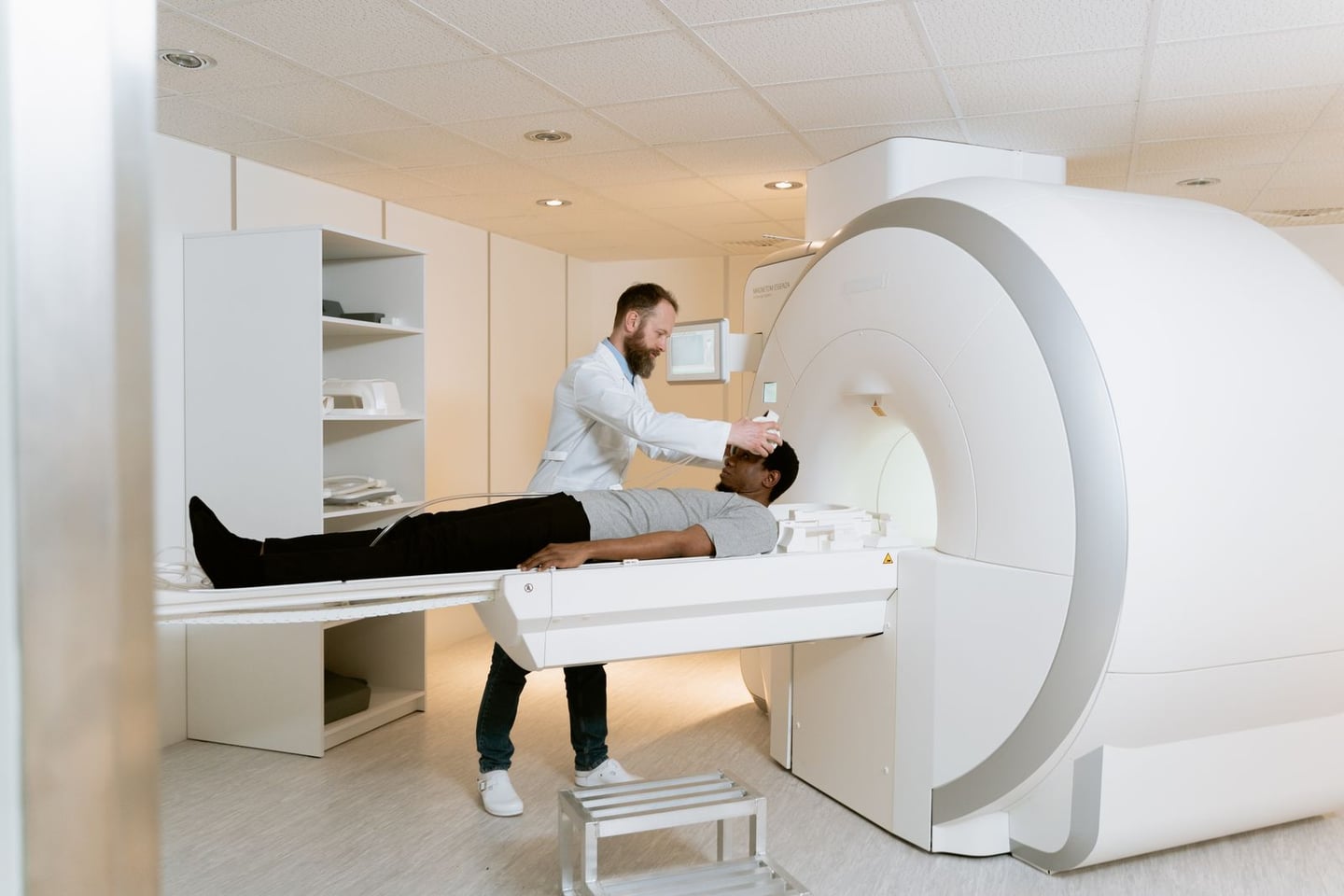
Photographs of clinical and laboratory settings, alongside the questions researchers investigate
 Semax
The research setting
Laboratory work investigates neurotrophin-related signaling and responses to experimental stress or injury.
 Semax
How the research is investigated
The evidence includes preclinical investigations and region-specific clinical literature.
Frequently asked questions
Does a BDNF change prove better human cognition?
No. A molecular observation in a model is different from a meaningful cognitive outcome in people. Clinical benefit requires relevant controlled research.
What is the United States regulatory context for Semax?
Semax is not an FDA-approved United States cognitive-enhancement or stroke-recovery medicine. Approval or availability in another jurisdiction should be described separately and verified for the exact formulation.
Sources & further reading
Official records and research discovery links. A database search is a starting point for finding studies, not a citation to a specific clinical result
Nora Bennett
Fictional editorial character used for this site demonstration. No medical credentials or independent clinical review are claimed
Read the full profile and disclosure ↗