 By Nora BennettFictional contributor · Read disclosure
Updated
Who researches Selank?
This profile is for readers exploring neuroscience biology and the evidence behind this compound. Topic associations help locate research; they do not establish that a substance is suitable for personal use
Start with the beginner’s guide if the terminology is new, then read the limitations alongside the findings
What is Selank?
Selank discussions frequently center on the possibility of a calming effect without the drawbacks associated with other treatments. That comparison needs more than a proposed mechanism or a short favorable report. This guide asks what diagnosis was studied, how symptoms were measured, and whether the trial design could separate treatment effects from expectations and natural variation. It also keeps nasal delivery distinct from a general safety guarantee. Readers can use the profile to distinguish a research hypothesis about anxiety signaling from an established treatment plan for an anxiety disorder.
Also searched as TP-7, Selank acetate
How it works
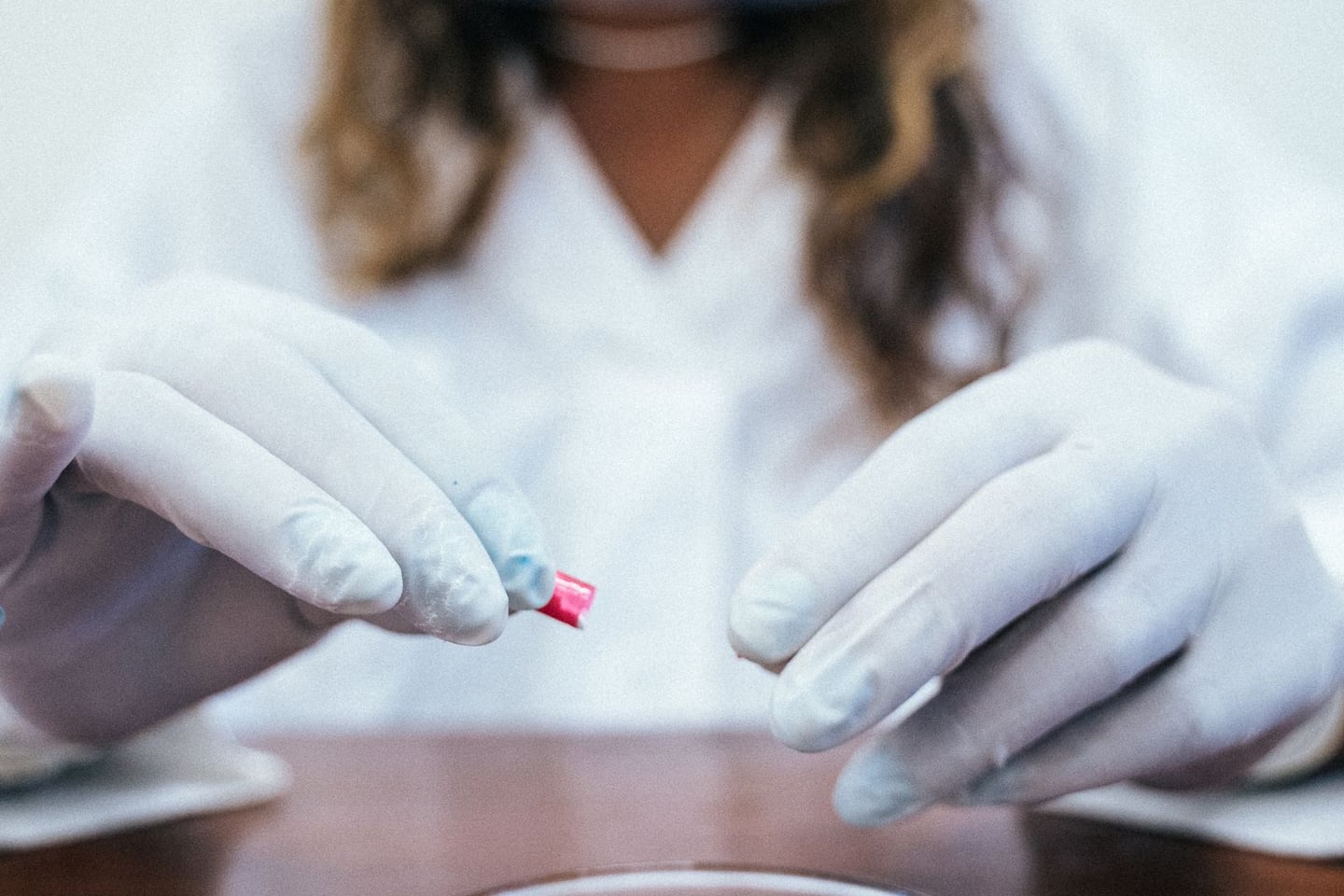
Proposed mechanisms include effects on peptide metabolism and signaling systems relevant to stress responses. An early investigation examined inhibition of enkephalin-degrading enzymes as one possible explanation. A proposed mechanism is not a complete account of how the compound acts in people or proof that it treats an anxiety disorder.

Benefits & what the research shows
Research includes laboratory work and clinical reports from particular settings. A useful clinical appraisal needs information about randomization, blinding, diagnosis, comparator, symptom scales, and follow-up. Statements that a product has no typical anxiolytic side effects should not be converted into a promise that it has no meaningful risks.
Check the species, population, formulation, comparator, and endpoint before applying a result to a different situation
How to read a peptide study ↗What this evidence cannot tell us
Anxiety symptoms can change with context, sleep, expectations, psychotherapy, and other treatment. Uncontrolled personal reports cannot separate these influences. Findings from one formulation or route also do not establish the quality or effects of a product purchased from a different source.
Dosage & administration
No established FDA-approved self-administration schedule is provided. This page does not recommend substituting Selank for prescribed treatment or a psychological assessment. Persistent or impairing anxiety deserves evidence-based clinical support.

Side effects & safety
Long-term safety, interactions, and uncommon adverse events are not well established for consumer use. FDA has highlighted limited safety-related information and concerns about peptide aggregation or impurities. A nasal spray can still create systemic exposure and is not automatically a low-risk formulation.

Selank vs related compounds
Compare the research questions and mechanisms. These summaries do not establish equivalent benefits or interchangeable products
| Compound | Research context |
|---|---|
| Selank | Proposed mechanisms include effects on peptide metabolism and signaling systems relevant to stress responses. |
| Cerebrolysin | Proposed actions involve neurotrophic and injury-response pathways. |
| Dihexa | Preclinical work investigates interactions with hepatocyte growth factor and the c-Met signaling system. |
Sourcing & quality
Selank is not an FDA-approved United States treatment for anxiety or cognitive enhancement. A research-use label does not establish an authorized clinical indication.
Regulatory details can change. Verify the current, product-specific record before making a clinical or purchasing decision
Understand FDA approval and research useInside the research
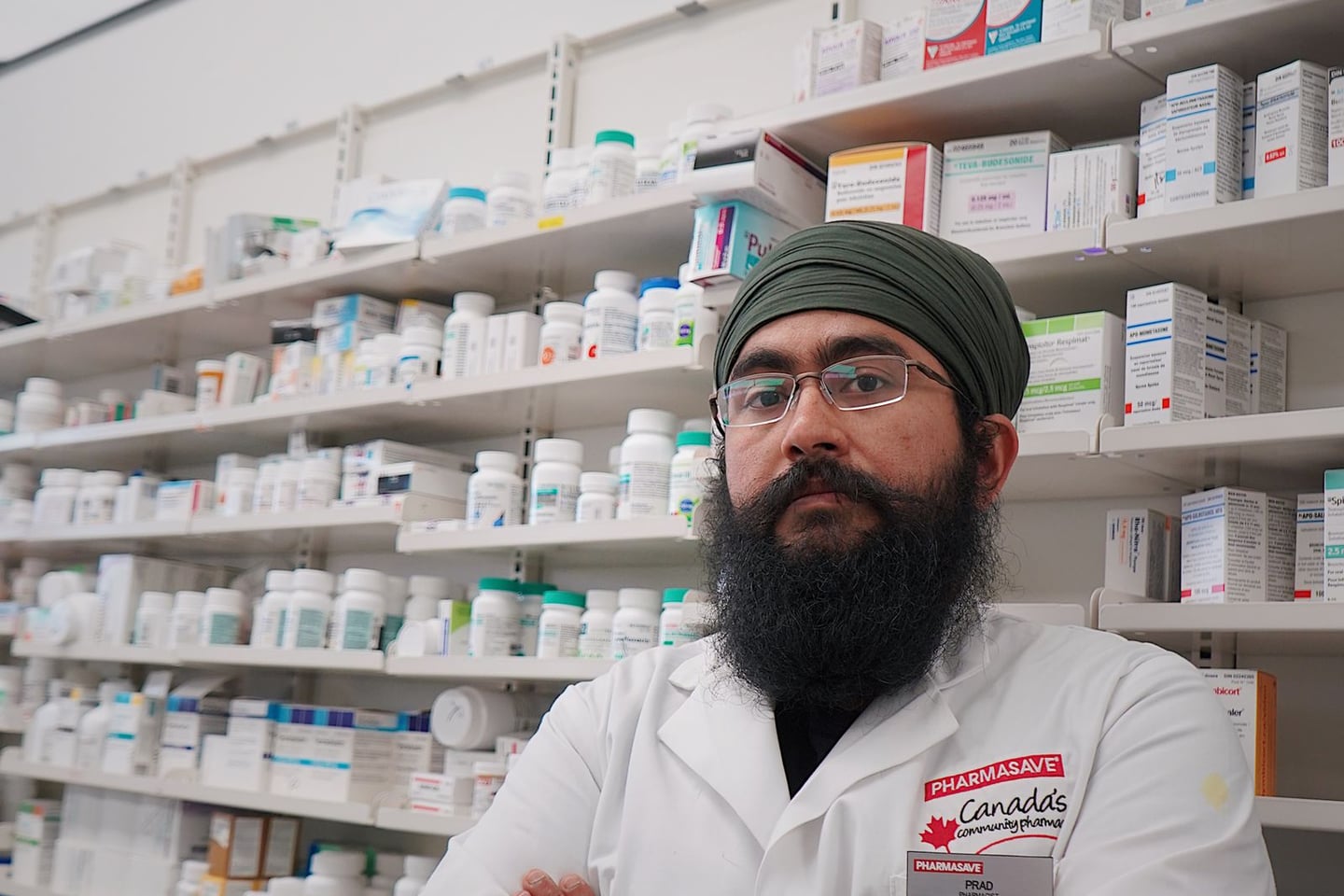
Photographs of clinical and laboratory settings, alongside the questions researchers investigate
 Selank
The research setting
Proposed mechanisms include effects on peptide metabolism and signaling systems relevant to stress responses.
 Selank
How the research is investigated
Research includes laboratory work and clinical reports from particular settings.
Frequently asked questions
Does intranasal delivery remove safety uncertainty?
No. Route affects exposure but does not establish safety. Identity, concentration, contamination, interactions, and long-term effects still require assessment.
What is the United States regulatory context for Selank?
Selank is not an FDA-approved United States treatment for anxiety or cognitive enhancement. A research-use label does not establish an authorized clinical indication.
Sources & further reading
Official records and research discovery links. A database search is a starting point for finding studies, not a citation to a specific clinical result
Nora Bennett
Fictional editorial character used for this site demonstration. No medical credentials or independent clinical review are claimed
Read the full profile and disclosure ↗